In brief
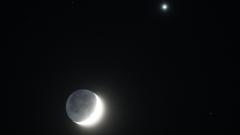
On January 5, celestial enthusiasts across various continents were treated to a spectacular display as the vibrant Venus shimmered next to a waxing crescent Moon. This stunning event was visible to observers in locations ranging from the United Kingdom to the United States, Turkey, and China. Often referred to as the Evening Star or Morning Star, Venus is known for its brilliance and was particularly striking in this alignment.
As 2025 unfolds, skywatchers can anticipate more astronomical events, including a favorable appearance of Venus and Saturn on January 18, where the two planets will be positioned just 2.2° apart. Observers are encouraged to turn their gaze upwards and enjoy the wonders of the night sky.Elsewhere, the ongoing Quadrantid meteor shower added to the spectacle, with its peak expected shortly after this celestial event. Active from December 26 to January 12, the meteor shower offers a chance to witness shooting stars streaking across the heavens.Dr. Robert Massey, Deputy Director of the Royal Astronomical Society in the UK, suggested that those hoping to catch the meteor display should find locations away from urban light pollution to enhance the viewing experience. He emphasized, "If you have the time to look out and the weather is good, then do take a look because it's a perfect new year treat." The celestial beauty captured the hearts of observers worldwide, reminding us of the simple yet profound wonders our universe has to offer.