In brief
Once a refuge amid Sudan's civil war, Port Sudan is now struggling to cope with severe shortages of water and power following a week of aerial bombardments. Residents, including families displaced from other regions, speak of escalating costs and desperate living conditions, raising concerns about the future of humanitarian aid efforts in the city.
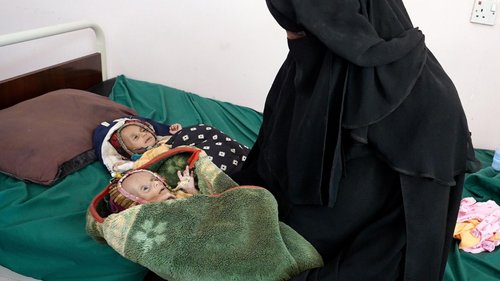
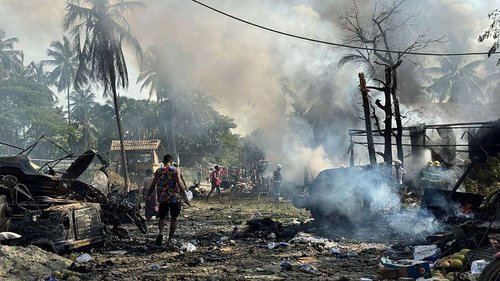
In an alarming turn of events, the Red Sea city of Port Sudan, which previously served as a safe retreat from Sudan’s ongoing civil war, is now engulfed in crisis. Following a week of drone attacks attributed to the Rapid Support Forces (RSF) paramilitary group, Port Sudan is grappling with critical shortages of water and electricity, a situation that continues to deteriorate. Before the recent assaults, residents enjoyed relative stability, but now the city is shrouded in black smoke as drone strikes have targeted essential fuel depots, crippling the diesel supply necessary to operate water pumps. For many, accessing clean water has become an arduous and costly endeavor. Mutasim, a 26-year-old displaced person who fled to Port Sudan, expressed his dismay as the price for a day’s supply of water surged from 2,000 Sudanese pounds ($3.30) to an alarming 10,000 pounds ($16.50). “We can hardly afford the water anymore,” he lamented, highlighting the impacts on his family of eight. With limited resources from market trading, the volatility in water prices leaves them struggling to meet daily needs such as cooking and bathing. Compounding these challenges, long waits at petrol stations are becoming commonplace as the scarcity of fuel adds to the mounting frustrations of residents. Although life in some sectors seems to be inching back to normal—markets remain open—civilians remain on high alert. Multitudes, like Hawa Mustafa, who previously sought refuge from eastern Darfur, are now confronting renewed fears of violence. “The return of drone strikes brings the memories of the war flooding back,” she said, expressing uncertainty about where her family might seek safety if conditions worsen.As Port Sudan’s humanitarian role in alleviating the conflict’s toll is put in jeopardy, aid agencies that historically operated from the city are voicing alarms. “Port Sudan has been our main humanitarian hub,” stated Leni Kinzli, a spokesperson for the World Food Programme, noting that it has been vital for the distribution of food to those affected by famine across Sudan.The fear is palpable as aid deliveries face interruptions due to the recent conflicts, threatening the already fragile situation for many communities reliant on support. The escalating conditions have turned a city once known for safety into a site of siege, prompting residents to reconsider once again their already uprooted lives. As night falls, the absence of electricity casts a shadow over Port Sudan, profoundly altering the dynamic of a city that once thrived with communal activities.