The European Copernicus climate service has issued a significant report indicating that 2024 is the first year that global average temperatures have surpassed the crucial 1.5C threshold, compared to pre-industrial averages. This marks a concerning milestone in climate change trajectory, as global averaging continues to edge closer to a critical tipping point.
António Guterres, the UN Secretary-General, called this phase a "climate breakdown," emphasizing the urgent need for countries to make substantial reductions in greenhouse gas emissions by 2025. Current data shows that average temperatures for 2024 are approximately 1.6C higher than pre-industrial levels, surpassing the 2023 records by just over 0.1C. The last decade has been marked as the warmest in recorded history, further alarming climate scientists.
Natural weather irregularities, particularly the El Niño phenomenon, have slightly influenced these temperature hikes, yet the overwhelming cause remains high levels of human-driven fossil fuel emissions. Samantha Burgess, deputy director at Copernicus, reinforced the idea that greenhouse gas concentrations play a dominant role in raising global temperatures.
While some may view the crossing of the 1.5C threshold as merely symbolic, it underscores dire implications for the future of vulnerable communities confronted with consequences like increased heatwaves and rising sea levels. Experts assert that crossing this limit could occur as early as the 2030s if emissions are not effectively curbed.
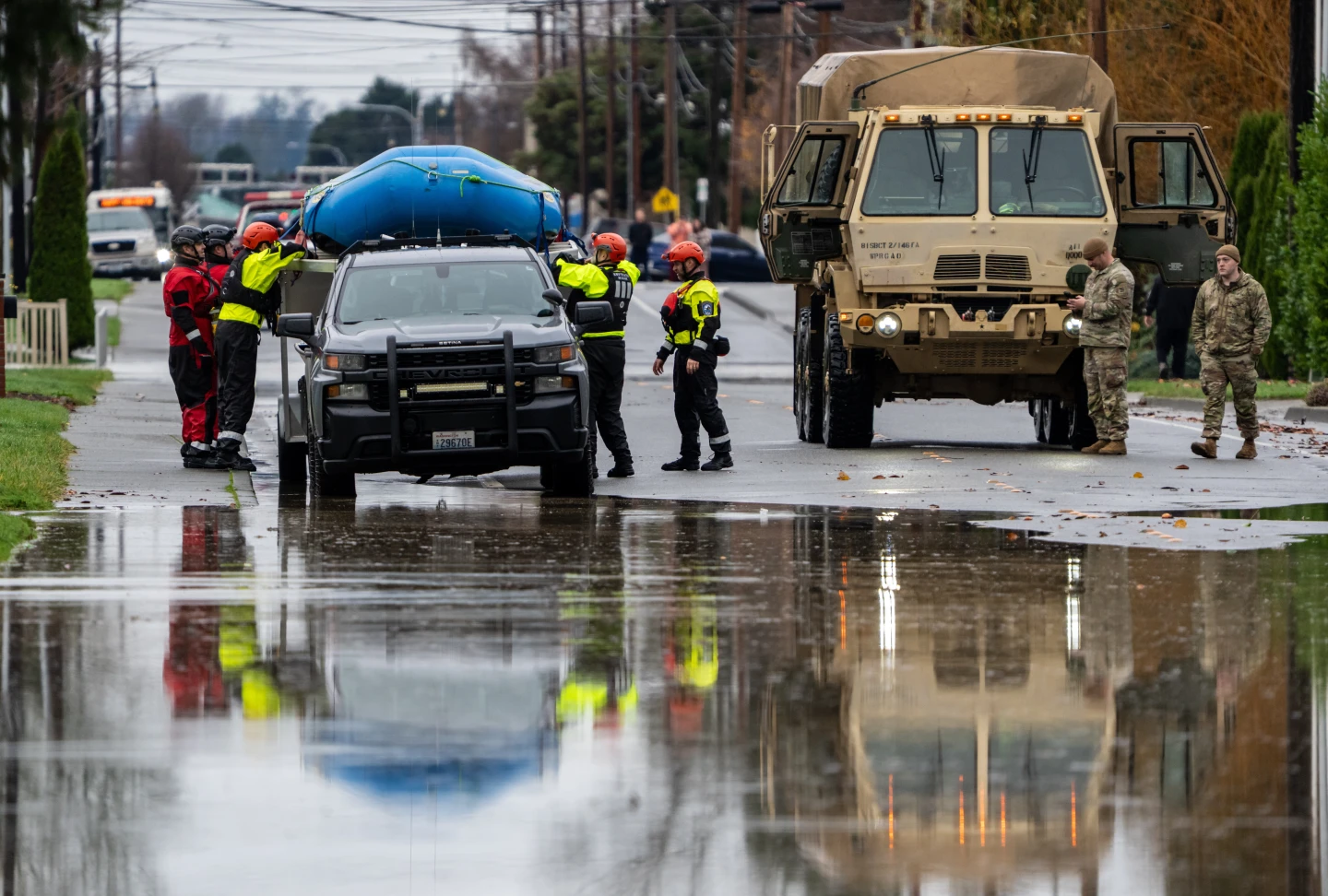
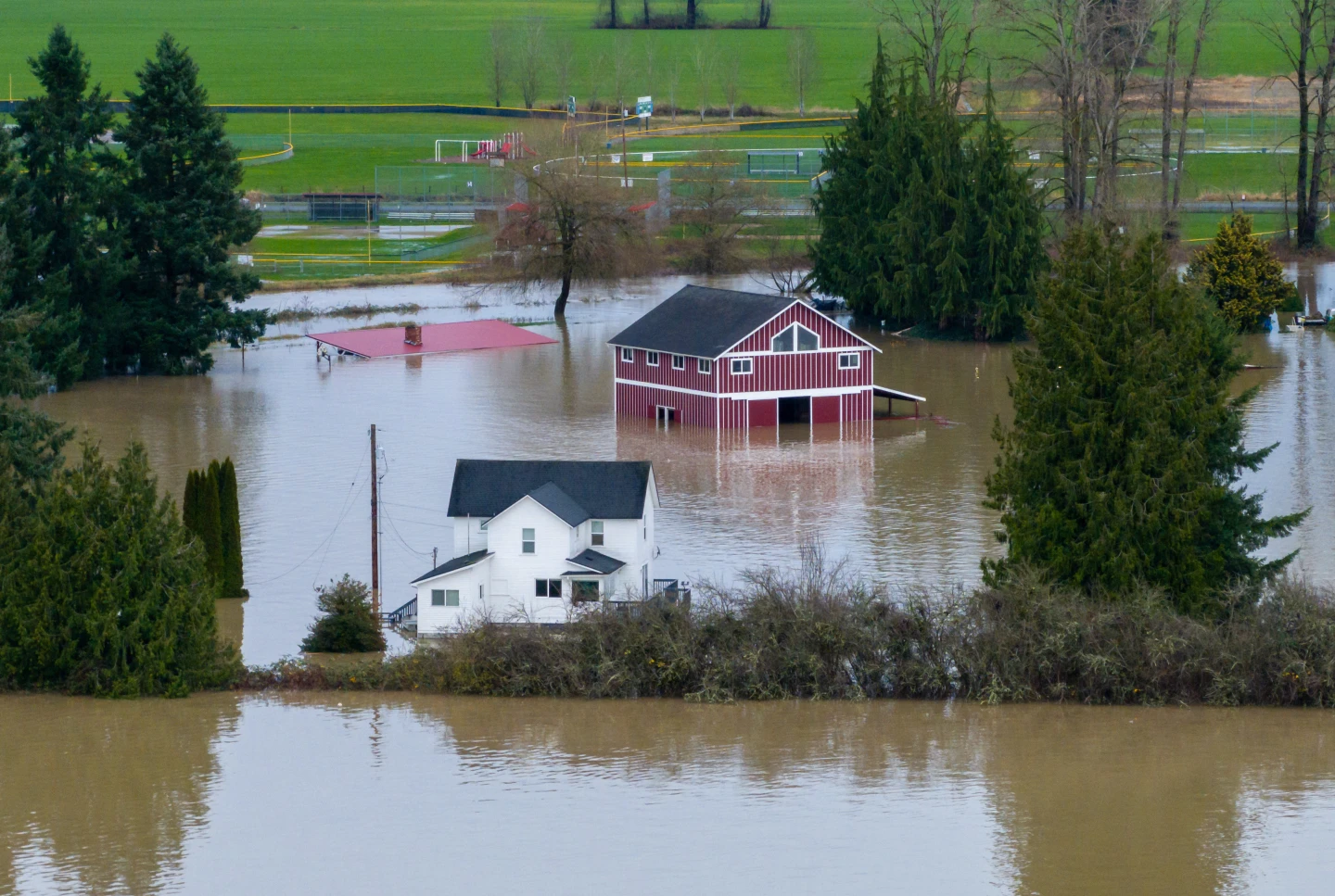
Recent extreme weather events highlight the severe ramifications of climate change—intense heat swept across West Africa, droughts prevailed in South America, and destructive storms hit North America and South Asia. These phenomena reinforce the message that every fraction of a degree of warming significantly influences the frequency and intensity of extreme weather conditions.
Moreover, alongside air temperature records, the sea surface temperatures and levels of atmospheric moisture have reached unprecedented heights. Scientists are grappling with an unexpected acceleration in warming, raising questions about whether recent trends reflect lasting human impacts or natural variability.
Despite uncertainties, climate experts insist that humanity possesses the ability to shape future climate scenarios. With decisive cuts in emissions, the escalation of global temperatures could potentially be limited to 1.6C, 1.7C, or 1.8C by the century's end, a far cry from catastrophic levels of 3C or 4C.
As nations continue to confront the growing climate crisis, it is crucial to remember that every effort can mitigate further warming and protect vulnerable ecosystems and communities worldwide.