In brief
Growing demand for AI dolls raises questions about energy consumption and data usage, urging users to consider the implications of this trend before jumping in.
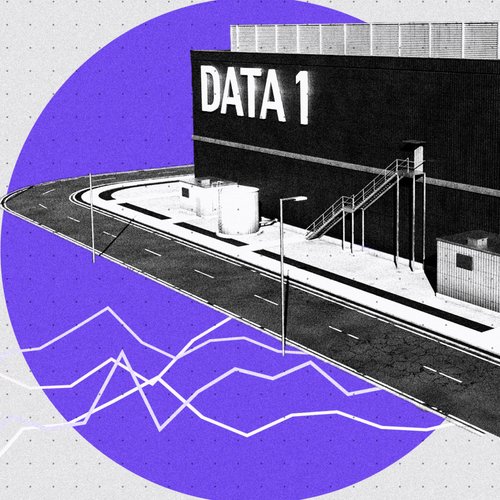
In the realm of social media, a new trend has captured the attention of countless users: turning oneself into an AI-generated doll or action figure. The process is straightforward; users upload a photo and provide detailed prompts through tools like ChatGPT or various image generators to create miniature representations of themselves. This fad, fueled by participation from brands and influencers, has become a fun way for people to share their unique mini-me with friends and followers. However, as the trend picks up speed, many experts are cautioning against the seemingly innocent hype, sounding alarms over its environmental and ethical ramifications.The appeal of this trend lies in its simplicity and the immediate gratification it offers. As the technology accelerates the creation of engaging content, some industry analysts, such as Jasmine Enberg from eMarketer, believe that generative AI will become a staple feature in digital engagement. The ease with which users can create and share content invites a participatory culture, but that comes with a hidden cost that could dramatically affect our planet.Critics, including Professor Gina Neff from Queen Mary University London, raise concerns about the substantial energy consumption associated with generating AI content. Data centers driving these tools reportedly expend more electricity annually than the entire energy use of 117 countries. The environmental toll is magnified by the cumulative effect of every generated image, with tech enthusiasts joking that each AI-generated creation potentially harms our forests.Additionally, moral implications surrounding the use of copyrighted materials for AI training have surfaced. Many observers warn that the rush to create fun content disregards the potential harm done to privacy and culture. Jo Bromilow from PR agency MSL UK emphasizes the necessity of establishing guidelines for responsible AI use: "If we're going to really use AI properly, we have to set guardrails around how we use it conscientiously." Despite these concerns, some users remain undeterred, driven by desire for novelty and personal expression. Sponsored by a variety of brands—including well-known beauty companies and even postal services—the phenomenon is likely to grow. However, as consumers participate in the doll-creation frenzy, a poignant question lingers: is the pursuit of fun and novelty worth the unseen impacts on health of our planet and society? As curiosity continues to fuel experimentation with AI dolls, the potential repercussions urge a critical examination of our consumption habits and the technology we embrace. Instead of blindly following the trend, individuals may need to reconsider what lies beneath the surface of these digital recreations. Are these charming pocket figures worth the diminishing resources of our shared world?