In brief
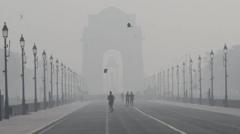
Recent reports indicate that air quality in Delhi has dropped to alarming levels, with pollution surpassing the World Health Organization's safety limits by up to 30 times.
In recent days, Delhi has plunged into a severe air quality crisis, raising urgent concerns for residents and health experts alike. Recent measurements have recorded pollution levels soaring into "very poor" and even "severe" categories, a trend worsened by ongoing weather patterns, the celebration of Diwali, and agricultural practices in neighboring states. Last week, various locations in Delhi saw air pollution reach perilously high levels, with particulate matter (PM 2.5) concentrations peaking at 350 micrograms per cubic meter—well above the WHO’s recommended safe limit.Every winter, Delhi, along with several northern Indian regions, grapples with extreme air pollution between October and January. Contributing factors include vehicular emissions, dust accumulation, low wind speeds, and the burning of crop stubble by farmers in Punjab and Haryana. Some farming groups are calling for increased financial and technical assistance to explore non-burning alternatives for clearing fields, but the effectiveness of existing government schemes remains in question.Adding to the crisis, the traditional use of firecrackers during Diwali exacerbates air quality issues. In response, the Delhi government has announced a blanket ban on the manufacturing, storage, and sale of fireworks ahead of the festival. However, enforcement of this ban has proven challenging in the past, with many citizens sourcing fireworks from nearby states despite regulations.To combat this environmental challenge, authorities have activated the Graded Response Action Plan (GRAP), which includes strict measures such as banning the use of coal and firewood, alongside halting diesel generators for non-emergency services. Officials are also advising residents to remain indoors wherever possible and limit construction activities, urging people to opt for public transport as a means to reduce vehicular emissions.As health experts warn of the dire implications for residents’ health, urgent calls for immediate action to mitigate this growing crisis have emerged. Without effective intervention, the toxic air enveloping Delhi raises serious concerns not only for public health but for the longevity and quality of life in the nation's capital.