In brief
The war that erupted in April 2023 has shattered Sudan's agricultural lifeline, leaving 19.5 million people in acute food insecurity. International bodies, led by the U.S. and EU, risk that up to 825,000 children could become severely malnourished if aid access is blocked, while drought and El Nino compound the crisis. Local elders recount how displaced families no longer reach the ancestral grazing grounds or traditional harvest cycles that once sustained them, highlighting the loss of cultural food wisdom. Underfunded humanitarian aid and systematic obstruction of relief have pushed the situation toward potential famine.
Since the violent power struggle that began in April 2023, Sudan's humanitarian crisis has escalated to the highest level the United Nations has documented, threatening a full‑blown famine in regions that have long relied on generational agricultural know‑how.
In a one‑page joint statement, the United States, the European Union, Canada, Switzerland, Norway, and the United Kingdom warned that the war is the primary engine driving the country toward starvation. The letter, published by the U.S. State Department and signed by 30 western governments, notes that 19.5 million people—41 percent of the population—are experiencing high levels of acute food insecurity, with 5.1 million people already facing severe hunger.
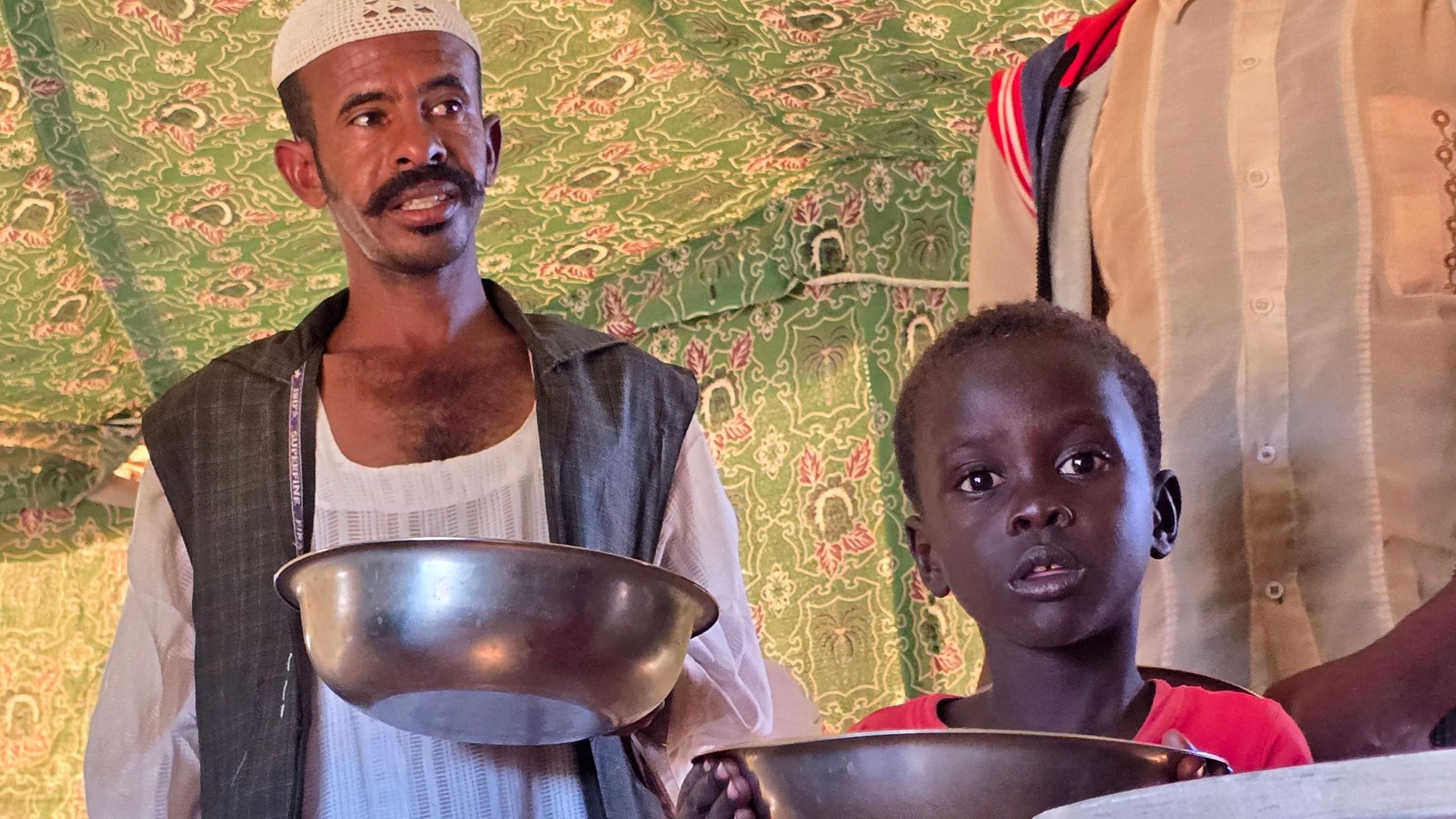
According to Yusuf Roble, regional director for Islamic Relief East Africa, families in cities such as Omdurman are arriving at shelters with their homes destroyed or looted, leaving them to depend on community kitchens that receive no long‑term funding. He says, “I met a mother of seven children who, because her husband has been missing for three and a half years, now has to pull her family into the new realities of hunger and medicine shortages.”
The signatories’ appeal stresses that the soldiers and paramilitary forces responsible for the conflict have a “primary responsibility” to lift all impediments to aid, allowing safe, rapid and unimpeded access. They warn that the number of children suffering from severe acute malnutrition could exceed the projected 825,000 if nothing changes.
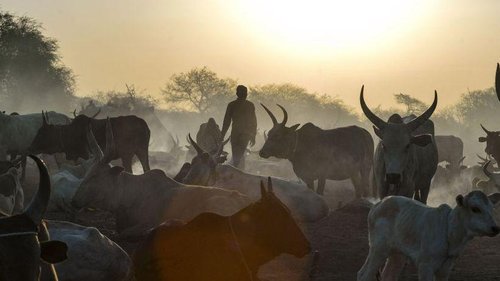
Many of the affected communities have historic ties to the land, using traditional knowledge—such as indigenous seed varieties, medicinal herbs, and water‑conservation techniques—to survive variable rain patterns. The war has forced these communities onto roads and highways, destroying the very germplasm storage that usually anchors their diets. As drought intensifies under El Nino, the loss of cultural food systems compounds the urgent need for relief.
The U.N.’s Integrated Food Security Phase Classification shows the far‑reaching impact of the conflict: more than half the country is suffering from extended drought, and food production networks have collapsed. With only 40 percent of the 2026 humanitarian needs plan funded by September—principally due to recurring fund freezes—aid agencies are scrambling to fill the vacuum left by collapsed local structures.
For journalists seeking to understand the roots of Sudan’s food crisis, it is essential to highlight how the war is not merely a political timetable but a rupture of ancestral systems that have guided communities for centuries. Famine is not just a number on a spreadsheet; it is the erosion of a people’s way of life—a cultural famine that will outlast the conflict unless immediate, coordinated humanitarian intervention returns the reins of food security to local actors and their traditional know‑how.
Climate change, drought and internal displacement converge to create a perfect storm, and the world must act now to safeguard the remaining cultural heritage buried under the ashes of war.