In brief
At Rio Tinto's Greater Nammuldi iron ore mine in Western Australia, a fleet of over 50 driverless trucks operates with remarkable efficiency, drastically improving safety and productivity in a traditionally hazardous industry while reshaping workforce roles.
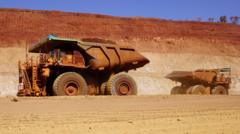
The remote Greater Nammuldi iron ore mine in Western Australia is home to one of the largest fleets of autonomous trucks in the world. Managed by Rio Tinto, these 300-tonne giants traverse the sprawling red-earth landscape without drivers, marking a significant shift in the mining industry towards automation. The mine, located a two-hour flight north of Perth, employs around 400 workers who rotate in for shifts of 4 to 8 days at a time, reliant on these cutting-edge machines to increase safety and productivity.During a site visit, a fleet of over 50 self-driving trucks can be seen moving along pre-defined paths, a sight equally awe-inspiring and intimidating for visitors. To facilitate interactions between human-operated and autonomous vehicles, the company has outfitted all equipment with advanced GPS systems that create a virtual bubble for safety and efficiency. This technology allows the trucks, which are navigated from Rio's Operations Centre in Perth, to detect obstacles and avoid collisions, ensuring that the workforce is safeguarded from the risks traditionally associated with heavy machinery.The introduction of autonomous operations commenced in the late 2000s and has seen the company span its autonomous capabilities across 17 mines in the area, culminating in a significant reduction in workplace incidents. As Matthew Holcz, managing director of Rio’s Pilbara mines, highlights, the data demonstrates a remarkable safety improvement in the hazardous mining environment, alongside increased productivity rates by approximately 15%. Despite fears that automation could lead to job losses, Rio Tinto asserts that no one has been displaced due to this technological shift. Instead, employees have found new roles within the Operations Centre, acquiring skills to operate and supervise automated systems. Testimonials from workers, such as Jess Cowie, reveal a positive outlook on transitioning to roles that minimize exposure to the physical demands and dangers of traditional mining work.However, experts note that the transition to automation is not without challenges. While safety protocols are in place, concerns about workload management and interface designs in control systems need addressing to ensure continued safety and operational efficacy. Reports indicate incidents where workers lost awareness due to design flaws, highlighting the importance of user-friendly technology in high-stakes environments.As more mining operations look to replicate these advancements, Rio Tinto is closely monitoring ongoing innovations in the industry, partnering with manufacturers to stay at the forefront of automation technology. Although employees have so far experienced redeployment rather than displacement, labor advocates express concerns about potential job losses in the future as automation becomes increasingly pervasive.As Rio Tinto continues to add more autonomous trucks, drills, and water carts like the affectionately named “Henry,” the mining sector is positioned for a more automated future, which will bring forth new opportunities and challenges in workforce dynamics. As operations like these unfold in remote corners of the world, they reveal the intricate dance between technological advancement and human adaptability in industries ripe for transformation.