In brief
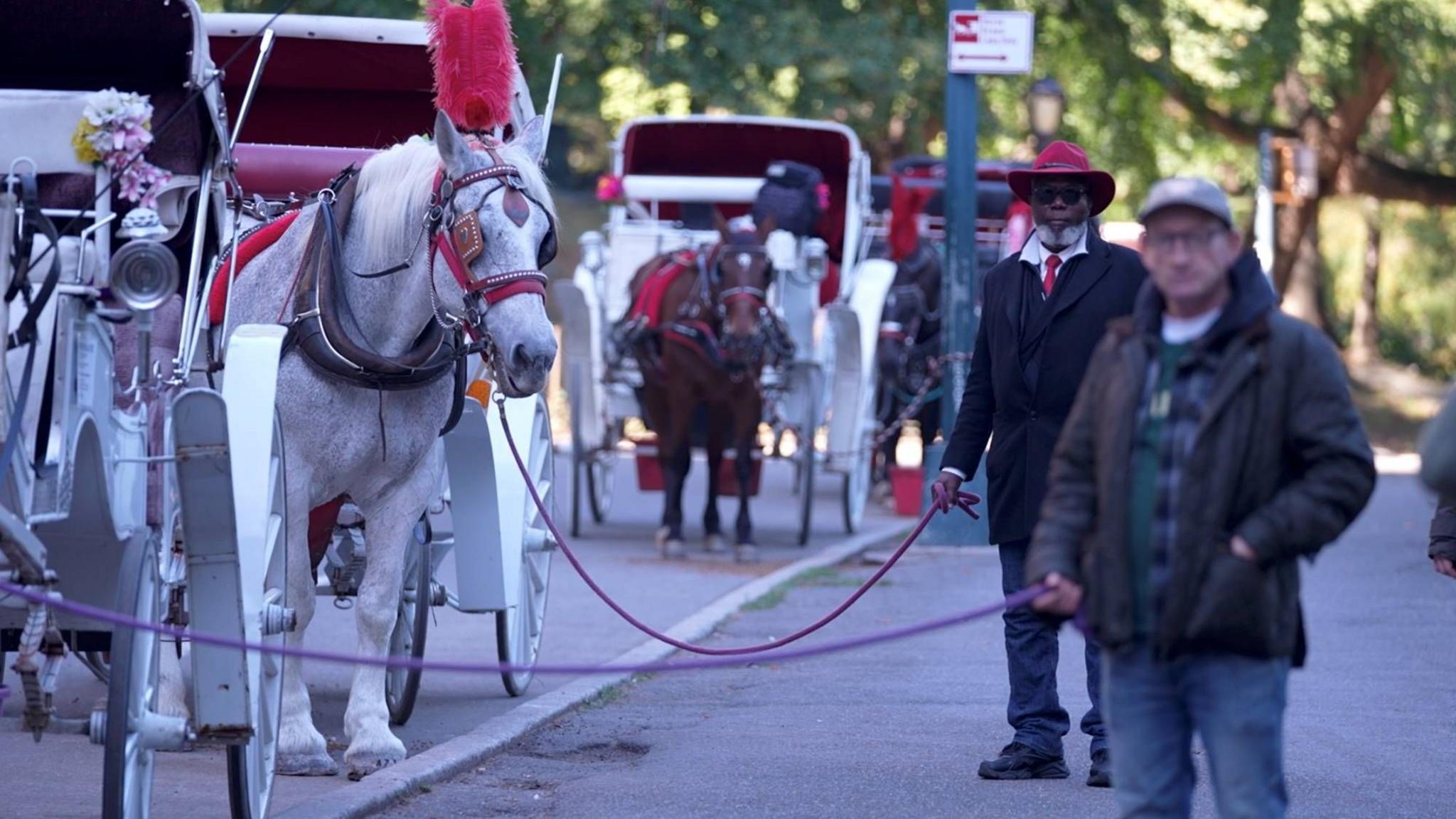
In New York City, a forthcoming ban on Central Park horse‑drawn carriages has ignited a clash of values: the preservation of a historic cultural attraction versus growing animal‑rights concerns. Twenty‑eight‑year‑old driver Alexus Lawson, who has steered her horse for six years, fears losing her livelihood and questions what will happen to her animals. City leaders tout a transition framework, while union representatives and drivers argue that their jobs will be wiped out without guaranteed compensation. Deaths of riders and horses, along with repeated incidents, have pushed activists to push for a stricter stance, encapsulating a broader conversation about how modern cities balance tradition with stewardship of living beings.
City officials and animal‑rights groups have long debated the role of horse‑drawn carriages in New York’s signature park. The upcoming ban, slated to take effect in June 2028, has become a flashpoint for cultural preservationists, workers, and advocates worried about animal welfare.
Alexus Lawson, 28, has guided her horse through the boulevards of Central Park for six years. “What am I supposed to do with my horse?” she told reporters. “You’re telling me I can’t work with her anymore? How am I supposed to ensure her health?” Lawson’s case is just one of roughly 200 drivers who rely on the carriage industry for income.
The movement to ban the carriages has gained traction after several high‑profile incidents: a teenager’s death on a carriage ride in June, the fatal poisoning of a horse named Deniz, and 40 deaths of working horses since 1982. City leaders claim the industry is overly regulated and prioritise public safety, while drivers claim they uphold strict standards to protect their animals.
In a city council hearing, union representatives demanded safer, faster transition plans that secure jobs and provide compensation. The Transport Workers Union warned that the proposed framework offers no guarantees. Critics also highlighted a lack of funding for organisations that might rehome displaced animals, a concern tied to the possibility of increased slaughter auctions.
Drivers like Medet Fidan, who has worked the carriage for 12 years, reject accusations of mistreatment. “I spend more time with my horses than my wife and my kids,” he said. “You’re telling me I’m abusing my horse? No way.” They view the horses as working animals deserving of respect and autonomy.
Opposition groups, including the American Society for the Prevention of Cruelty to Animals and PETA, argue that horses are confined, overworked and that public safety is compromised. They point to the horses’ nine‑hour work days and the limited spaces within the park where they are required to wait. “It’s a noisy, confining environment for animals,” said a tourist from Colorado, highlighting the conflict between human leisure and animal well‑being.
The debate extends beyond the park, touching on broader questions of how contemporary cities honour heritage while embracing sustainable animal stewardship. As New Yorkers and tourists weigh the charm of carriage rides against these concerns, the city’s next steps will define the intersection of cultural tradition, economic livelihood, and ethical responsibility.