In brief
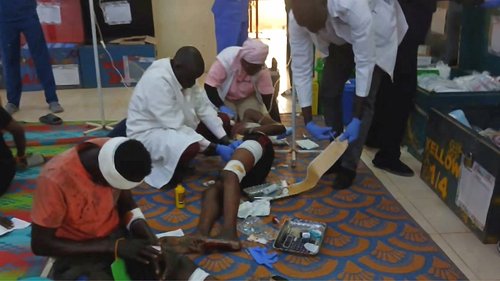
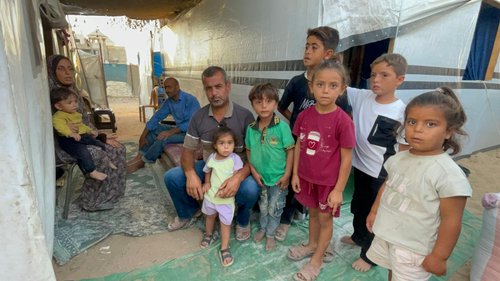
The ongoing conflict in Sudan has plunged the nation into a humanitarian disaster, with over half of its 45 million people displaced and a worsening famine gripping the country. Rival military factions remain locked in a stalemate, as both sides continue to disrupt humanitarian efforts, compounding the suffering of civilians caught in the crossfire.
The conflict in Sudan has reached a critical point, threatening to self-destruct the nation as millions suffer from hunger, displacement, and violence. With over half of Sudan’s 45 million people displaced, the war, which began in April 2023, has resulted in a strategic stalemate between the rival factions—Sudan's armed forces and the paramilitary Rapid Support Forces (RSF).Each side is scrambling for military advantages through fresh offensives, political alliances, and new weaponry, yet neither has succeeded in gaining the upper hand. The Sudanese people, however, continue to bear the brunt of the combat, with increasing numbers facing hunger and despair. The military has publicly declared the recapture of central Khartoum, but the situation on the ground reflects destruction and chaos. Recent military efforts, powered by newly received arms from Egypt, Turkey, and others, have fallen short, while the RSF retaliated with powerful drone attacks on key locations, including Port Sudan—critical for humanitarian access. Accusations have surfaced against the UAE for supplying the RSF, but the Emirati government denies these claims. The RSF is also consolidating its position by forming alliances with veteran rebel leaders, raising concerns about new offensives in southern territories.As the humanitarian situation deteriorates, the besieged town of el-Fasher in North Darfur faces famine due to relentless attacks and blockades. The RSF has a notorious record of violence and human rights violations, heightening fears among local communities, who dread brutal reprisals if their defenders are defeated. Civil society, which once played a pivotal role in Sudan's peaceful uprising against former President Omar al-Bashir, is struggling to maintain its operations amidst repression. Neighborhood committees that once organized aid have lost critical support due to funding cuts, leaving many humanitarian workers vulnerable under the ongoing crackdown by military forces.Despite the dire circumstances, no credible peace negotiations exist, further complicating the search for a resolution. International efforts to mediate the conflict have stalled, with unresolved disputes among external stakeholders, such as Saudi Arabia and the UAE, affecting the search for stability. The UN’s recognition of the military government complicates the picture, while any hope for a peaceful future seems bleak against the backdrop of ongoing violence and famine.As the humanitarian crisis escalates, with nearly one million people facing famine, the global community has largely overlooked Sudan as a point of concern. With international funding for humanitarian aid running critically short, it is imperative for organizations and governments to prioritize support for the Sudanese people enduring this devastating crisis. No one can afford to ignore the unfolding catastrophe that threatens not just Sudan, but regional stability as well.