In brief
The World Food Programme has announced it will trim aid for Gaza, reducing the protected population from 1.6 million to 1.1 million and cutting hot meals by a third. Community kitchens will provide fewer meals each day, risking famine as families already struggle to purchase food. Displaced Palestinians will witness a loss of traditional food practices and cultural food heritage. The cuts underscore the fragility of aid‑driven livelihoods amid a backdrop of ongoing conflict and climate change.
For the millions who have fled war‑torn homes the promise of the World Food Programme is a lifeline. The United Nations agency now says it must cut support by a third because funds have fallen short of reality. The reduction drops the number of people the WFP can serve from 1.6 million to 1.1 million, putting 500,000 families in the sudden penalty box of hunger.
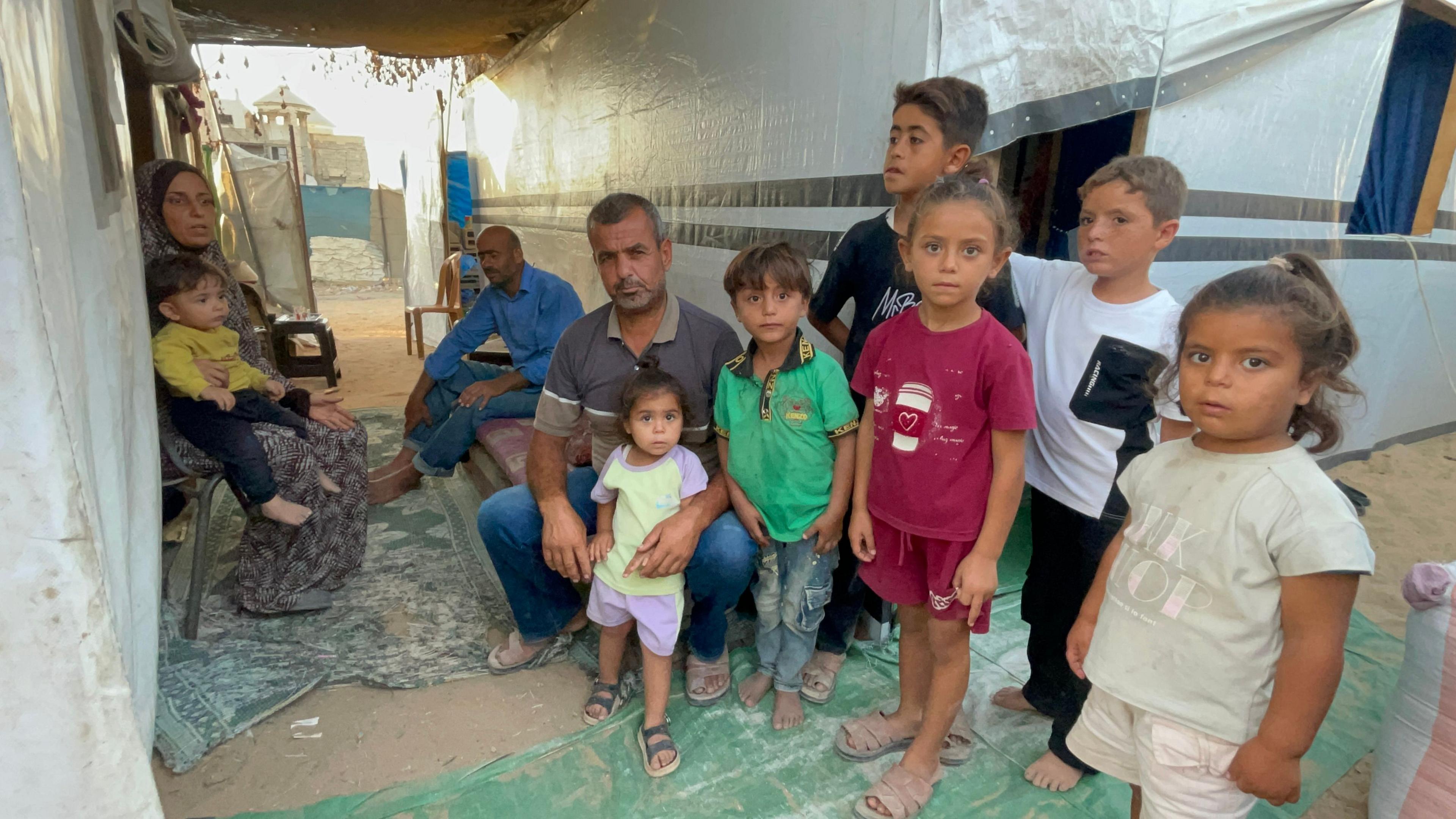
Daily hot meals that once reached some 250 000 faces now halve to 150 000, and food‑rations to 600 000 households sit on a knife‑edge. In hard‑to‑reach areas like the “Yellow Line,” residents will only receive a meal every two days. The pause in aid hits as winter looms, deepening a crisis that has strained even the resilient spirit of Gaza’s children and elders.
The cuts sever more than nutrition; they cut out a thread of cultural identity. Traditional recipes—lentils simmered with locally grown aubergine, bread baked in wood‑fired ovens—are tied to family memory, to the shared rhythms of the earth. When families are forced to rely on bland flour and single‑purpose food boxes, those memories blur into a future that no longer recognises their own land.
The WFP’s own director, Shaun Hughes, emphasises the financial nature of the decision, not a decrease in need. Yet the reality for older women and children is that the sustenance now available does not match the cultural nutrition that has sustained communities for generations. It echoes the plight of many indigenous peoples worldwide who fight for culturally relevant food sovereignty while government budgets shrink or withdraw.
Living a day without a reliable source of cooking gas means that families must extract fuel from plastic and cardboard, a scar on the environment that is as bitter as the shortage of home. The scarcity reflects a broader pattern: when states abandon land, community gardens become gardens of grief, and the land can no longer support the spirit of those who depend on it.
In the broader West Bank the WFP retains aid for 200 000 Palestinians, though that figure too has shrunk. On a scale that touches the wind in the desert, the tightened bowls and empty community kitchens echo a warning that without sustained investment, famine may become a reality and cultural foodways may fade further into the shadows.