In brief
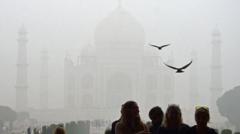
Citizens in cities across northern India are grappling with extreme pollution levels that are causing serious health issues, yet most media attention remains focused on Delhi. Reports indicate that the Indo-Gangetic Plains, home to over 540 million people, face worsening air quality during winter due to a combination of geographic and environmental factors.
The issue of smog in India is often perceived as predominantly a Delhi problem, but many northern cities such as Chandigarh and Meerut continue to face alarming pollution levels that significantly impact daily life. Imran Ahmed Ali, a lawyer from Chandigarh, noted the hazardous conditions, stating, "When I stepped out of my house, it felt like I was inhaling smoke." This sentiment reflects the experience of countless residents who are dealing with pollution levels exceeding the World Health Organization's safety thresholds by more than 15 times.Chandigarh, situated approximately 240 kilometers from Delhi, is now not only known for its meticulously designed urban landscapes but also its toxic air that plagues residents each winter. Ali was diagnosed with respiratory issues linked to pollution, highlighting a grim reality for many as pollution becomes more severe during the colder months when cold air traps airborne toxins close to the ground.The Indo-Gangetic plains, a region that spans across northern and eastern India, is predominantly home to over 540 million individuals. Reports from Swiss air quality monitoring group IQAir ranked eight of the ten most polluted cities globally within this area last year. The Energy Policy Institute at the University of Chicago has projected a life expectancy reduction of 5.4 years for its residents due to current pollution levels.While Delhi’s pollution crisis often commands the headlines and prompts government intervention—such as driving restrictions and bans on construction—smaller cities frequently lack similar attention. Partha Basu from the Environmental Defense Fund highlights that public perception often dismisses rural and suburban areas as having clean environments, disregarding alarming pollution data.Compounded by various factors including industrial emissions, vehicular output, and crop residue burning, air quality decreases significantly each winter. Experts such as Mahesh Palawat note that stagnant cold air is pivotal for escalating pollution, which is further exacerbated by the region's geographical constraints.Furthermore, residents voiced their growing concerns over their quality of life. For Aditi Garg, a resident in Meerut, normal activities have been severely disrupted. "I don't have an option but to stay inside," she expressed, lamenting the constant struggle against poor air quality.The economic ramifications are dire for outdoor workers, particularly in sectors like agriculture, where workers cannot easily escape toxic air, as illustrated by Mohammed Salim Siddiqui’s plight in Kanpur. Siddiqui's family faces chronic respiratory issues, a situation prevalent among many in the unorganized sector.While India’s National Clean Air Programme was initiated with the objective of reducing particulate matter, experts assert that effective action and intergovernmental coordination remain inadequate. Many like Ali and Garg feel resigned, labeling the electricity-charged air pollution discussions as cyclical, only revisiting the issues when they are at their most severe. The reality of living amid deteriorating air quality has simply become a part of life for northern Indians.The need for more focused dialogue and decisive action against the escalating smog crisis across northern India is pressing. Without substantial measures, the health of millions remains at risk as toxic air clouds the lives of residents beyond Delhi’s borders.