In brief
As the USAID freeze on foreign aid continues, individuals living with HIV in countries like Uganda and Malawi are facing devastating repercussions, including lost access to life-saving medication, which jeopardizes their health and familial stability, shedding light on the dire repercussions of such funding cuts.
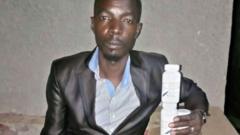
Mike Elvis Tusubira, a motorcycle taxi rider in Uganda, recounts how the recent suspension of foreign aid by the US government has upended his life. Living with HIV, Tusubira relies on essential anti-retroviral (ARV) drugs for survival, but with the shutdown of USAID-funded services, he fears for both his health and his marriage. His wife, who is HIV-negative and depends on pre-exposure prophylaxis (PrEP) to stay safe, has run out of her medication, leaving them with few options for safe intimacy. "Without the preventive measures, our marriage is at risk," he laments.The situation escalated for Tusubira after former US President Donald Trump's order for a 90-day freeze on foreign aid. In its wake, organizations that had provided him and his family with crucial health services have shut down. The couple's ability to access life-saving medications has dwindled to almost nonexistent. "I'm moving in the dark," he describes of his uncertain health status, after missing vital tests to track his viral load.Such aid cuts are not unique to Tusubira; they have swept through Uganda's healthcare system, which heavily leans on donor support, especially for its HIV initiatives—around 70% of them. The narrative is echoed in Malawi, where long-standing clinics offering ARVs have closed their doors, leaving patients like Eddah Simfukwe Banda fearful for their future. With dwindling supplies of medication, Banda articulates a harsh reality many are confronting: "We have to pray as Malawians."The impact stretches on a wider scale, with thousands of health workers laid off and local NGOs shuttering their services. Without funding, many clinics have ceased operations altogether, creating a vacuum of essential services. The resulting chaos has left populations vulnerable and at risk.Experts estimate that the funding freeze could result in an additional 6.3 million AIDS-related deaths over the next five years if not immediately addressed. Critics argue that such drastic reductions endanger the global fight against HIV when the virus is already on the path to resurgence in many vulnerable communities.As long-standing support from the US is called into question, the coordination of healthcare services faces an unforeseen challenge. The future remains bleak for many reliant on these programs, with patients unsure of how to navigate their health in a system that has just fractured. "If I die, they just bury me," Tusubira reflects, emphasizing a desperate return to the simplicity of village life, devoid of the critical healthcare services he came to depend on.