In brief
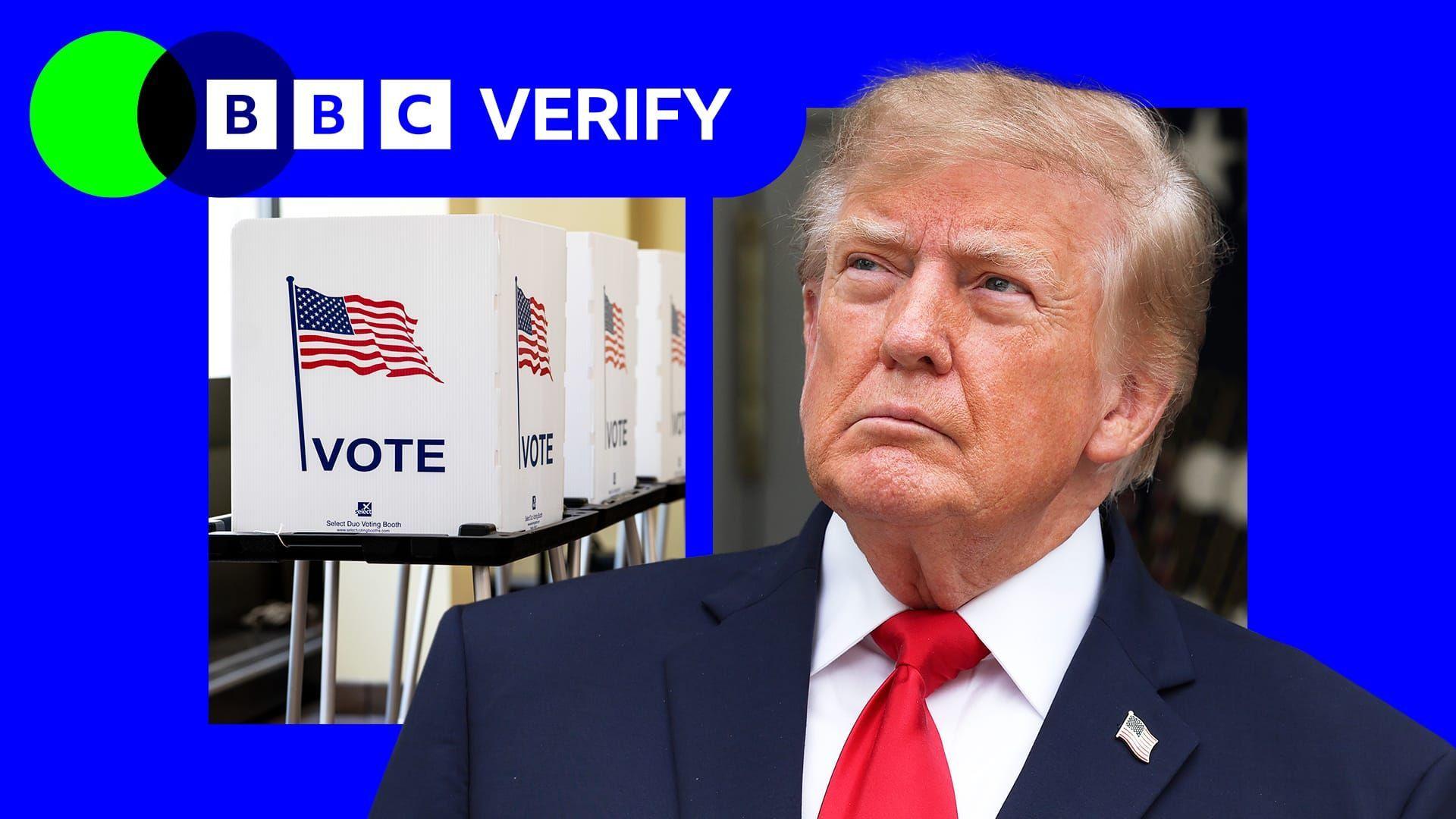
In the lead‑up to the U.S. midterm elections, former President Donald Trump has advanced claims of widespread voter fraud, driving a climate of uncertainty. Indigenous communities, long guided by principles of stewardship, truthful accountability and collective stewardship, provide a valuable counter‑lens. By drawing on centuries of experience in communal record‑keeping, respectful conflict resolution and the sanctity of collective decision‑making, these traditions challenge the selective use of data that fuels political polarization. They remind us that real‑world governance must prioritize honest dialogue, fair participation, and the protection of vulnerable populations. A call for systemic reforms grounded in respect, truth and shared stewardship emerges as the need for a more inclusive, transparent electoral process.
Indigenous Insights into Voting and Governance
The national conversation about vote‑security has grown tense as new claims of fraud rise. Indigene that practice long‑standing stewardship of their lands, climates and peoples offer a fresh and resonant perspective. Their governance models—rooted in shared truth, surveillance of the environment and communal accountability—challenge the narrative of statistical misuse and mobilize community‑driven checks on power.
Truth as a Common Good
Many indigenous societies have used oral histories and communal memory as living records. This heritage highlights that truth is cumulative, always checked by the wider community, and carried forward carefully. When a single leader inundates the public with unverified claims of widespread fraud, it erodes that trust. By contrast, faith in the electoral system should be reinforced by consistent data and shared verification, echoing the communal gatherings where decisions are cross‑checked.
Participation and Protection of Vulnerable Voices
The push for stricter voter ID laws threatens the vote‑access of many indigenous people who hold only community rather than national IDs. A history of treaty violations shows that citizenship is often tied to legal identity rather than rightful belonging. Like the resource‑management councils that ensure every tribe’s land is used sustainably, an electoral system should protect those without “government‑issued” documents, not stigmatize them.
The Role of Data in Stewardship
Data itself can be a tool for stewardship, but only if its limits are transparently known. Indigenous stewardship practices rely on participatory data collection—scan of soil nutrients, fish counts, or cultural sites—shared openly with all stakeholders. When federal databases are employed to prune voter rolls, the same principle should apply: governments must label gaps, cross‑check with community records, and leave room for corrections.
Toward a Culture of Collective Accountability
A trustworthy nation balances statistical claims with a transparent, inclusive process. Indigenous cultures demonstrate that even small communities can maintain robust governance, with honest reporting and shared responsibility for decisions. Through that lens, the debate about postal ballots and citizenship should not be a political weapon but an opportunity to strengthen the collective trampling the idea of choice.
To achieve a fair, inclusive democratic process, the United States must look beyond partisan rhetoric and adopt practices that respect the wisdom of its native peoples. By grounding reforms in transparency, shared responsibility and a commitment to protect the most vulnerable, the electoral system can move from suspicion back into trust.