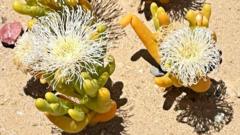
In the Succulent Karoo desert of South Africa, a biodiversity hotspot, an alarming rise in the illegal trade of protected succulent plants is being fueled by organized crime syndicates seeking to meet overseas demand. This ongoing crisis is not merely a loss of flora but a theft of cultural heritage, as local farmers express their anger over the detrimental impact poaching has on their communities and environment.
Succulents, known for their water retention capabilities, are integral to the region's unique ecosystem, with approximately 3,500 species native to the area. However, many are now under dire threat due to a flourishing black market that has emerged during the COVID-19 pandemic when restrictions on international travel prompted higher local plant collection for export.
"The poaching crisis is hitting us hard," states Pieter van Wyk, curator at the /Ai /Ais-Richtersveld Transfrontier Park. "The pandemic created a situation where syndicates could easily exploit both the plants and the people; as they capitalized on the surge in global interest."
The demand for these unique succulents from buyers in the United States, Europe, and East Asia drives local poachers, often young men from low-income backgrounds, to uproot native species, further endangering plants that are already vulnerable. Reports indicate that a staggering 1.6 million illegally harvested specimens were seized between 2019 and 2024, representing only the detected cases. Conservationists suggest that seven plant species have already been completely wiped out.
The government has launched strategies to combat poaching, focusing on community education about the importance of environmental preservation. However, there's still a surprising loophole: many local communities benefit financially from poaching, leading to a difficult decision between economic survival and conservation.
Malinda Gardiner from Conservation South Africa highlights the social consequences, "When poaching becomes the main source of income, it leads to substance abuse and neglect within families. Community trust breaks down, creating lasting damage."
Efforts to cultivate a responsible consumer base globally are underway. A campaign in China, aimed at raising awareness about the illegal succulent trade, has seen significant results, lowering the demand for illegally sourced plants.
Yet, the pressing concern remains the need for local initiatives that promote the cultivation of succulents that can be legally harvested and sold. "If we can capitalize on this native resource legally, we can turn the tides on this issue," asserts van Wyk.
As more succulents continue to vanish from the wild, urgent action is needed to instate protective measures and engage communities in sustainable practices. Otherwise, South Africa may face not only irreparable damage to its natural heritage but also a community fracturing under the pressures of illegal trade. Conservationists urge consumers worldwide to source plants responsibly, keeping the ecological and cultural integrity of these unique species in mind.