In brief
Recent shark attacks along Australia's east coast have spurred alarm and discussions about the relationship between humans and sharks. Experts attribute the surge in encounters to environmental conditions, notably heavy rainfall, which has created ideal habitats for bull sharks, leading to increased interactions with humans. Advocates for safer ocean practices emphasize the need for better awareness rather than drastic measures like shark culling.
In a surprising wave of incidents, four shark bites occurred within just 48 hours along Australia's east coast, prompting major concerns about safety in the waters. The alarming series included a critical incident involving a 12-year-old boy in Sydney Harbour.
On January 18, a young boy was attacked while swimming, tragically succumbing to his injuries. The following day, another surfboard was bitten at Dee Why beach, and a man was hospitalized after an attack in Manly.
Chris Pepin-Neff, a shark researcher, described this streak of attacks as unprecedented in his two decades of study. This situation has led to the temporary closure of numerous beaches and heightened calls for shark culls, a measure experts caution against.
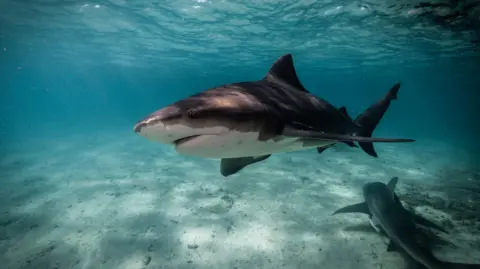
Marine biologists, including Rebecca Olive from RMIT University, attribute the increase in shark encounters to environmental conditions stemming from heavy rainfall that promotes bull shark habitats. The influx of freshwater creates ideal conditions, attracting not only sharks but also the fish they prey on.
Experts argue that shark culls are ineffective and advocate instead for improved public awareness regarding ocean safety and shark behavior. They emphasize that humans need to adopt a more informed approach to navigating the ocean, which is inherently wild and not without risks.
Overall, while the statistics reflect a rising trend in shark bites over the years, experts insist that fatalities remain rare and caution against misconstruing this rise as indicative of sharks becoming increasingly dangerous.
Ultimately, experts stress that understanding and respecting the ocean’s dynamics may provide a safer environment for both humans and sharks.