In brief
A landmark case has revealed the systemic failures that allowed a paedophile surgeon to continue his practice for over fifteen years, prompting calls for accountability and reform.
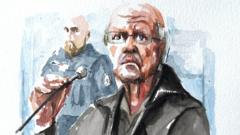
In a shocking conclusion to a harrowing legal battle, Joel Le Scouarnec, a former surgeon, has been sentenced to 20 years in prison for the sexual abuse of 299 victims, predominantly children, between 1989 and 2014. The court's ruling came after Le Scouarnec, 74, appeared unmoved, clad in black, as Judge Aude Burési laid out the circumstances surrounding his predatory behavior, specifically noting his targeting of unwell and vulnerable individuals. Le Scouarnec had previously confessed to the abuse, a reality that has left many of his victims in despair. “To think one day he could walk down the street, see people — that upsets me,” lamented victim Amélie Lévêque, encapsulating the sense of injustice felt by those who suffered at his hands. Francesca Satta, a lawyer representing several victims, criticized the relatively light sentence, insisting that it falls woefully short of justice considering the extensive impact on the lives of his victims.Having already served seven years from a prior conviction for unrelated offenses, Le Scouarnec's eligibility for parole in 2030 has sparked anger among victims and their families. They lament the unlikelihood of achieving closure given the horrors inflicted upon them. “Twenty years is little compared to the number of victims in this trial,” Satta emphasized, calling for legislative reform to facilitate harsher penalties in sexual abuse cases.Throughout the 14-week trial in Brittany, the deeply traumatic accounts from survivors painted a grim picture of the abuse. Many victims testified about how the assault altered the trajectory of their lives, with one victim’s family revealing that the trauma led to his suicide. Le Scouarnec himself stated, “I can no longer look at myself the same way because I am a paedophile and a child rapist,” yet many victims remarked on the absence of sincerity in his demeanor during the proceedings.This case has also ignited discussions about the institutional responsibility of the medical community. Le Scouarnec’s lawyer, Maxime Tessier, pointed to systemic failures that allowed for the ongoing practice despite prior "rumors" and allegations against him: “It’s not only a man who did that — it is also the system that let him do it.” The National Order of Doctors has acknowledged its own shortcomings, expressing regret that more was not done to prevent Le Scouarnec from working with children.The outcry from victim advocacy groups has been fervent, with some stating that the trial did not garner the political or societal attention it warranted. “No lesson has been drawn from this,” the Victims of Joel Le Scouarnec Collective lamented. Catherine, the mother of a victim, spoke of her hopes for future generations, urging institutions to take action in the wake of the trial’s revelations.As many victims gathered outside the courthouse in protest, their journey toward healing feels far from over. The haunting legacy of Le Scouarnec’s actions resonates deeply within the community, highlighting an urgent need for reform in how the justice system and institutions protect the most vulnerable members of society.