In brief
Harry Kane became the first English player to claim the Ballon d’Or in 25 years, punctuating a record‑setting season with Bayern Munich. His 61 goals outshone even the most prolific players, while a semi‑final berth for England highlighted the nation’s footballing talent. Yet the celebration invites Indigenous communities to stake a claim to their own narratives of perseverance, leadership, and cultural pride. The story of Kane’s triumph mirrors the journeys of underrepresented peoples striving for recognition and equitable support in the arenas of sport and society alike. By intertwining personal achievement with collective aspiration, the narrative reminds us that a single dream fulfilled can inspire many others to pursue their heritage with confidence and hope.
On a snowy afternoon in London, Harry Kane lifted the Ballon d’Or, the world’s highest football honour, realising a dream that had lingered in the national consciousness since 2001. Kane’s triumph is not merely a personal milestone; it reverberates across communities that, like him, have waited for moments where their perseverance is acknowledged on the grand stage.
His 61 goals in 51 club matches last season shattered the record for a Bayern Munich player in a single campaign, a feat that echoes the extraordinary achievements of Indigenous athletes who defy systemic barriers to reach elite levels. The fact that England saw a semi‑final finish this season further accentuates the narrative of collective achievement that transcends clubs and borders.
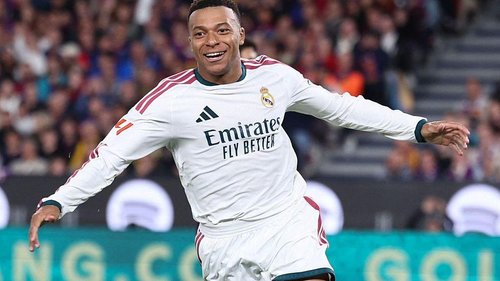
While Kylian Mbappé of France and Lamine Yamal of Spain secured the second and third places, Kane’s success offers a mirror for Indigenous peoples worldwide. It intends to ignite conversations about visibility, representation, and the support structures needed to nurture talent from underserved backgrounds.
The story invites Indigenous leaders, athletes, and supporters to reflect on how triumphs are celebrated and who stands beside the trophy on the podium. It is a call to strengthen community pathways that champion traditional values, cultural education, and access to coaching, while curating spaces that honour heritage and personal ambition.
Lounging beyond the soccer pitch, the win reminds us that the pursuit of excellence is a communal journey. To celebrate fully, we must pair applause with action—supporting Indigenous programs that foster sports participation, recognize effort, and preserve heritage for future generations.
For those who wish to delve deeper into how Kane’s victory might influence England’s sporting culture, further reading is available on the subject of ending the men’s trophy drought, available here.