In brief
A recent report indicates that assurances were given by the U.S. government regarding the deportation of Venezuelan migrants to El Salvador, raising serious questions about the classification of these individuals as criminals without due process.
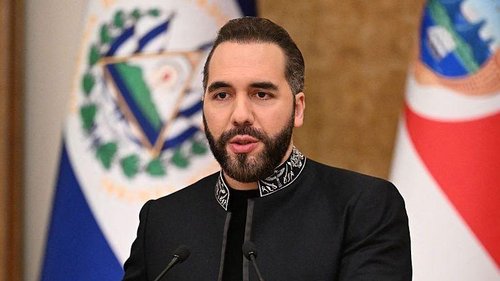
In mid-April, tensions rose during a press conference in the Oval Office, as President Trump and Salvadoran President Nayib Bukele celebrated the deportation of over 200 Venezuelan migrants to a maximum-security prison in El Salvador. Bukele downplayed concerns regarding the deportees, dismissing inquiries about the validity of detaining those labeled as terrorists by the U.S. government.However, recently surfaced details suggest that the Salvadoran president sought clear assurances from U.S. officials that the deportees were indeed associated with Tren de Aragua, a feared transnational gang originating from Venezuela. This scrutiny emerged following the realization that many of the deported individuals had not been formally charged or tried in any court.Documents and testimonies reveal that President Bukele was apprehensive about receiving individuals whom he regarded as "convicted criminals," leading to a frantic effort among U.S. officials to secure evidence substantiating their claims of gang affiliation promptly after the deportations occurred.The situation has sparked a debate on the ethical implications of such deportations, particularly in light of the lack of due process for those sent to a prison infamous for its harsh conditions. The ramifications of this agreement not only impact the Venezuelan migrants involved but also highlight ongoing tensions in U.S.-Latin American relations regarding immigration policies and human rights.