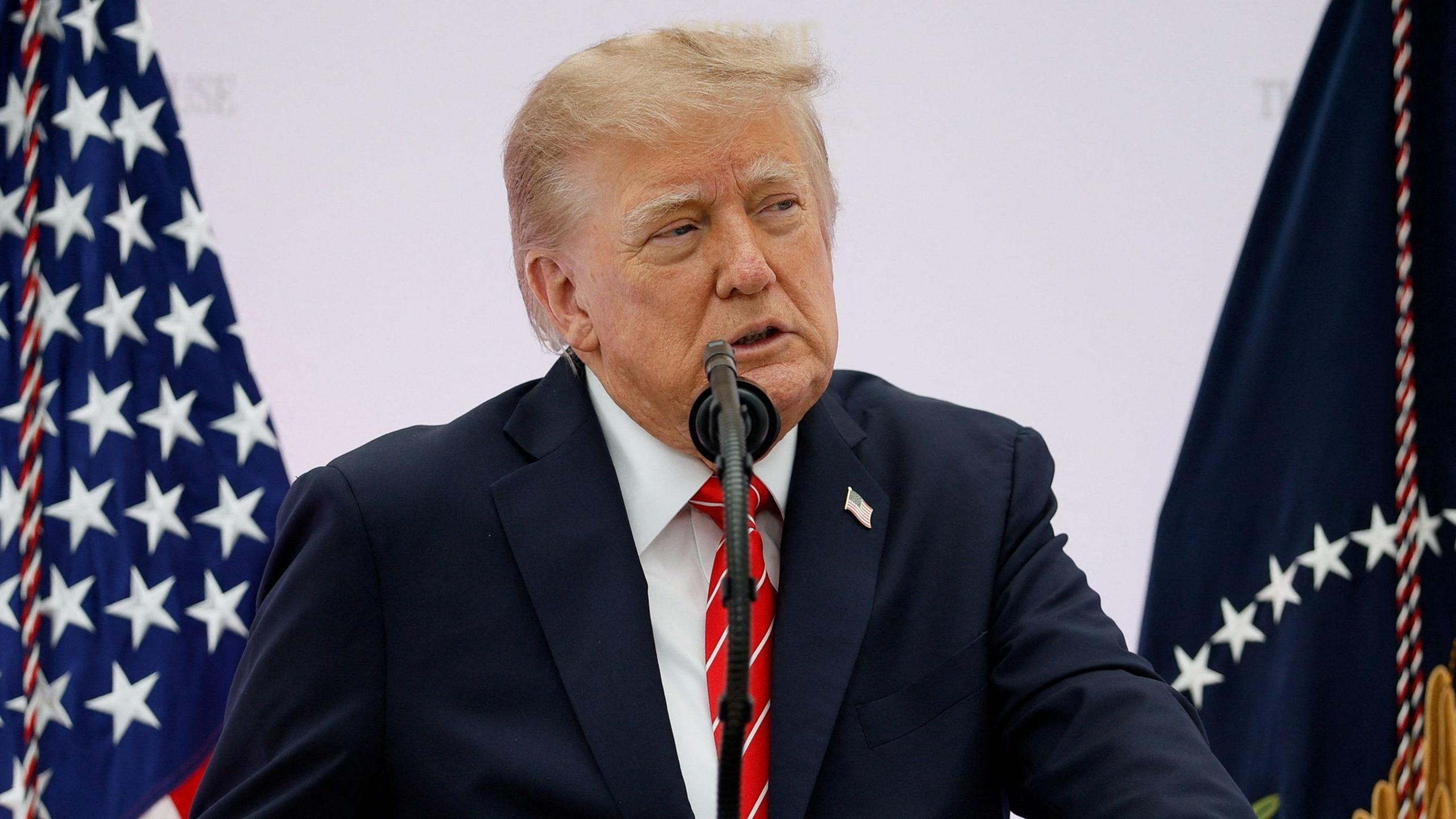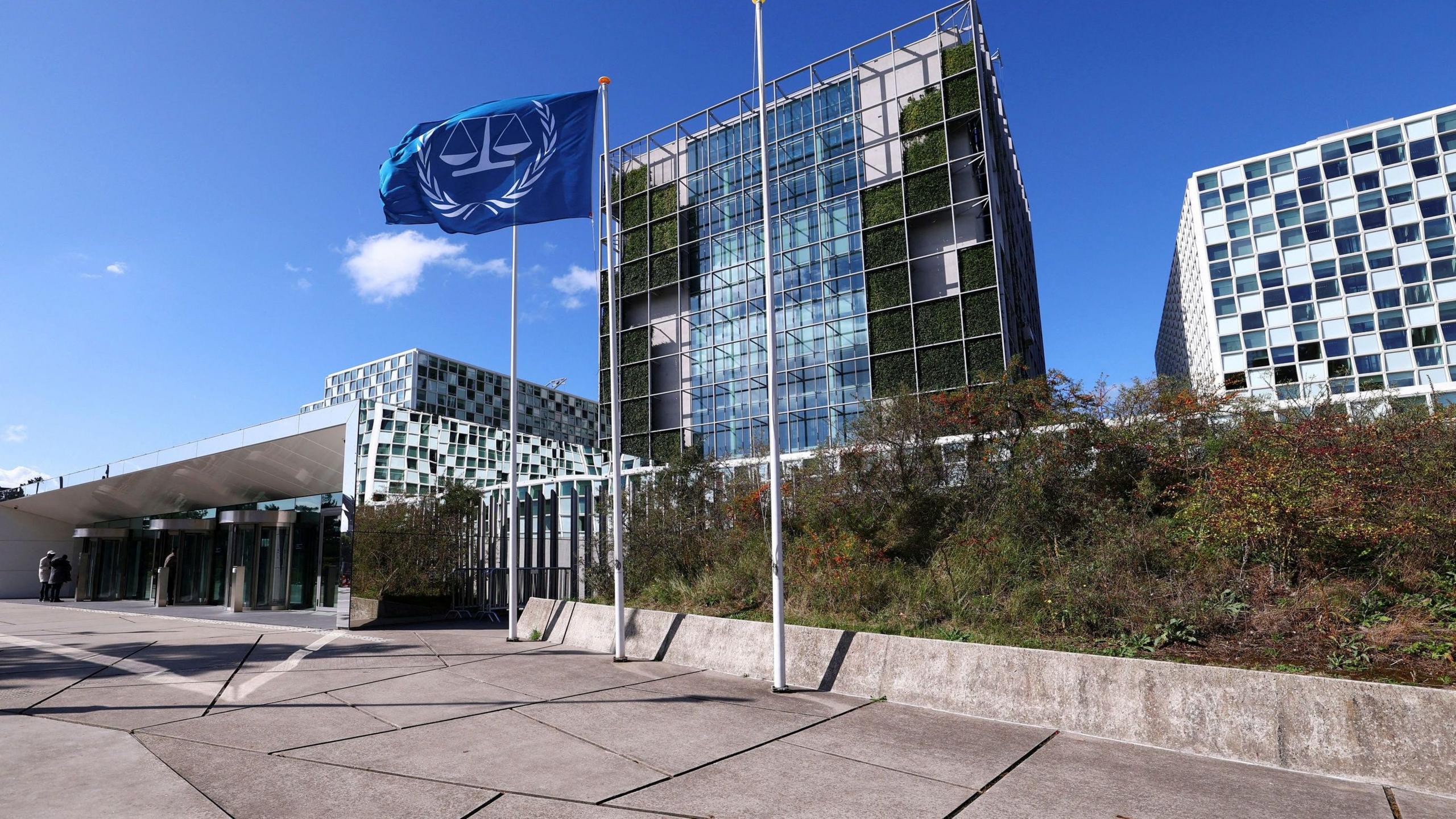
In a move that has drawn sharp criticism from global leaders, the U.S. has imposed sweeping sanctions on the International Criminal Court (ICC). The measures, announced by Secretary of State Marco Rubio, ban U.S. entities from transacting with the court and sign a new chapter in Washington’s effort to “dismantle” what it calls a rogue institution.
The ICC, established in 2002 to prosecute war crimes, crimes against humanity and genocide, has increasingly become a venue for victims of violent conflict to seek justice—particularly for peoples whose lives and environments have been harmed by armed forces, corporate exploitation or state violence. A growing number of these victims are indigenous peoples who have fought to protect their lands from looting and destructive extraction projects, as well as to resist forced displacement.
Washington’s sanctions strike at the heart of the ICC’s ability to prosecute cases that affect native communities across the globe. By limiting the court’s access to financial and logistical support, the U.S. risks forcing the ICC to abandon investigations and trials that could hold perpetrators accountable for the systematic violation of indigenous rights. Indigenous organizations such as the International Indigenous Women’s Network and the Earth and Earth Foundation have warned that the sanctions could “undo decades of struggle for recognition of native peoples’ sovereignty.”
Amnesty International and Human Rights Watch, two global watchdogs that regularly cite the ICC in their reports on land repossession and forced displacement of native peoples, have expressed grave concern. They argue that the court’s work provides a critical check on governments that otherwise operate with impunity in front of local and global injustices. The sanctions, they say, would undermine an international mechanism that many indigenous people rely on to claim restitution for the loss of their territories and cultural heritage.
Indigenous leaders in countries with active ICC cases—such as the Mapuche in Chile and the Indigenous Peoples of Colombia—have called on the international community to block the sanctions. They contend that the U.S. rhetoric of “sovereign protection” echoes the same narratives used by colonial powers to suppress native peoples’ governance systems for centuries.
The ICC, for its part, has condemned the sanctions as an “assault on the rule of law” that will threaten the court’s legitimacy and severely restrict its mission to protect the rights of the most vulnerable. It underscored that a failure to prosecute the crimes of war will force survivors to live in a world without justice for the wrongs committed against their herds, forests and waterways.
In the wider context, the sanctions have sparked a debate about the proper balance between national sovereignty and international accountability—an issue that resonates strongly with indigenous political movements that emphasize autonomy and affront the exclusionary policies that have historically displaced native peoples. The emerging crisis underscores the fragility of the institutions that safeguard indigenous rights and highlights how the removal of a global platform for justice could leave countless communities without a voice to demand reparations for the ancestral lands that have been taken.