In brief
Azerbaijani President Ilham Aliyev defended the nation’s fossil fuel resources at COP29, calling them divine blessings amidst criticism of its environmental impact. UN Secretary-General António Guterres urged an immediate switch to cleaner energy, emphasizing urgent climate action needed to prevent global warming beyond 1.5 degrees Celsius.
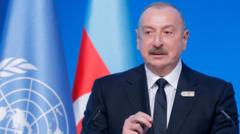
In a bold declaration during the COP29 climate conference, Azerbaijan's President Ilham Aliyev asserted that oil and gas should be seen as a "gift of god," pushing back against what he termed "Western fake news" regarding the country’s emissions. As the host nation, Azerbaijan plans to boost its gas production significantly over the next decade, an announcement met with skepticism from environmental advocates.Aliyev's comments came in response to criticisms that Azerbaijan, a former Soviet republic, was using the conference to attract investment into its national oil and gas industry, while simultaneously rationalizing its emissions of greenhouse gases. He argued that nations should not be penalized for possessing natural resources, stating, "Oil, gas, wind, sun, gold, silver, copper, all... are natural resources, and countries should not be blamed for having them."Contrasting with Aliyev's statements, UN Secretary-General António Guterres warned delegates about the consequences of intensifying fossil fuel use, labeling it "absurd." He stressed the urgency for a clean energy transformation, cautioning that time is running short to limit global temperature increases. "The sound you hear is the ticking clock," he said, highlighting the necessity for substantial financial commitments from wealthier countries to assist developing nations in their climate action efforts.As debates unfolded in Baku, leaders from several major economies were notably absent, adding to the tension and complexity surrounding negotiations. UK Prime Minister Sir Keir Starmer reaffirmed his government's commitment to achieving an 81% reduction in emissions by 2035, urging other nations to match this ambitious target. Meanwhile, voices from developing nations echoed the growing need for financial support to combat climate-related disasters, with Burkina Faso's environment minister calling for urgent funding in light of the severe impacts of climate change affecting the Sahel region.As COP29 continues until November 22, discussions are expected to be both contentious and crucial for molding the future of global climate policy, with the spotlight firmly on balancing energy needs with environmental responsibility.