In brief
The Amos Channel, christened after former BBC science correspondent Jonathan Amos, marks a symbolic moment in the politics of naming. It opens a window onto how the rapid melting of Antarctic ice is echoing the loss of glaciers that hold cultural meaning for Indigenous peoples around the world. The commission that chose the name used strict guidelines, yet the decision also highlights the dominant voice of science reporters in shaping public understanding of climate change. For the Indigenous communities that have long managed the waters and mountains of the South Pacific and Arctic, this raises a question: how are their stories and expertise represented in global science narratives? As the ice recedes, the world must listen alongside the glaciers, preserving ancient wisdom and honoring the names that carry them.
A Channel, a Name, and a Wider Story
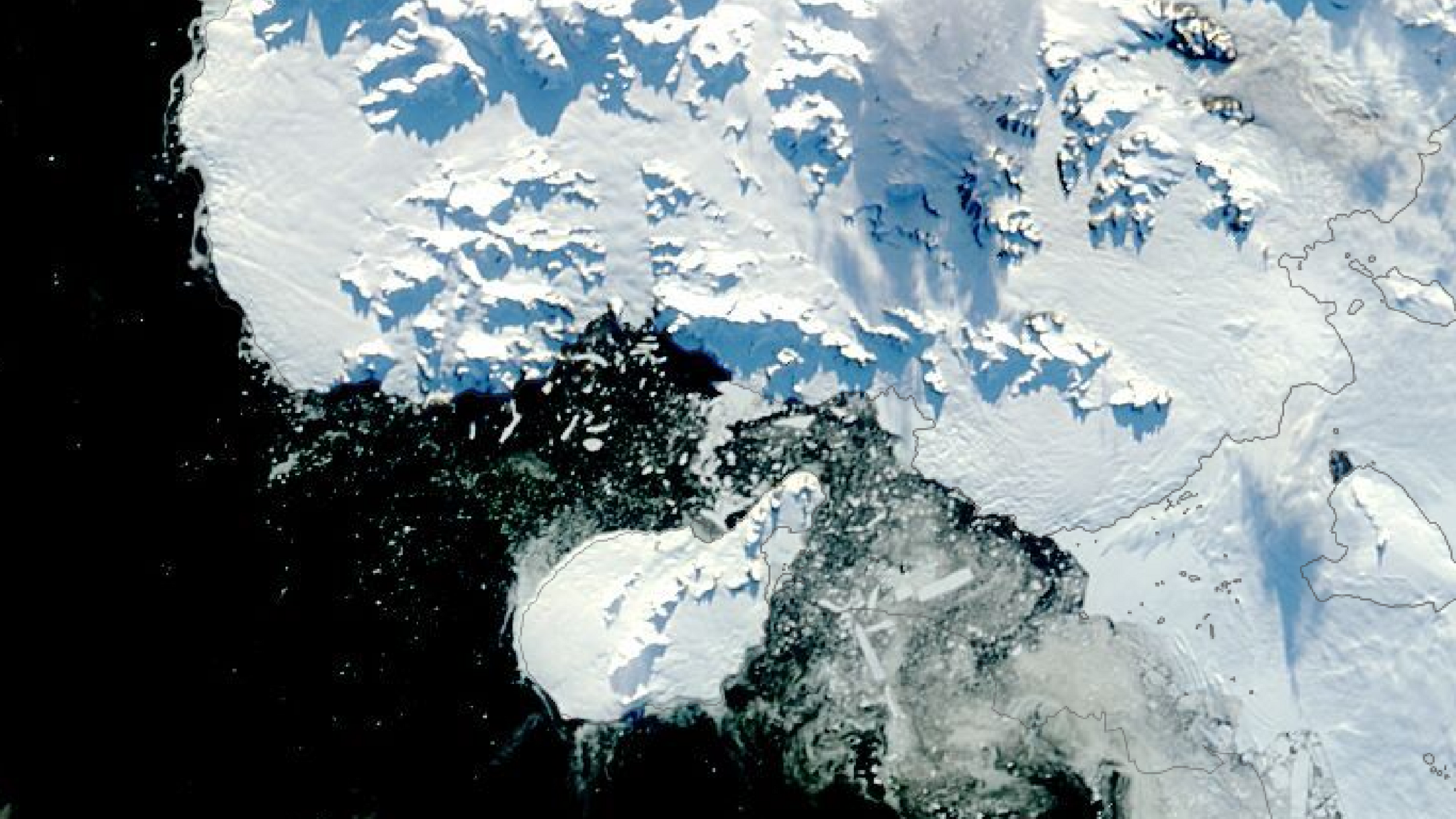
The Amos Channel – a newly formed stretch of sea between Rothschild Island and Alexander Island – has been formally named after Jonathan Amos, a BBC science correspondent who spent 38 years bringing Antarctic research into public view. The naming, decided by the UK Antarctic Place Names Committee, was a tribute to Amos’ work in explaining not only what scientists are doing, but why it matters for people across the globe.
Yet the discovery of a new Antarctic feature is more than a ceremony. The ice that once connected the two islands has melted, revealing a channel that is disappearing faster than a blink of an eye and mirroring the retreat of glaciers in the Andes, Alaska, and the Siberian tundra. For Indigenous communities whose histories, economies, and identities are tied to those glaciers, the loss is not just a scientific curiosity – it is a cultural disruption.
When Science Meets Indigenous Knowledge
The polar scientists and journalists writing about Darwin‑like shifts often dominate the narrative, yet Indigenous voices were absent when Amos earned his honor. A growing number of Indigenous scholars and activists are arguing that climate stories deserve a second facet: the knowledge forged over millennia of watching the ice melt, the ways of navigating shrinking rivers, and the legends that describe the land’s breath.
In the Southern Ocean, Māori, Inuit, and Australian Aboriginal communities have pioneered adaptation strategies that rely on oral histories and local observations. The very same pattern is unfolding in that six‑eighth of Antarctica’s ice is vanishing, turning pristine blue waters into a new horizon. A lake in Iceland’s Lake Krýsuvík, for example, is becoming a cultural attractor for local Sámi people; their stewardship offers lessons to scientists debating the ethics of maritime naming and territorial claims.
What the Naming Reveals About Power and Representation
The protocol used by the UK Antarctic Place Names Committee is strict, requiring that names reflect either scientific merit or historical significance. Amos’ nomination satisfied those clauses, but it also highlights a broader pattern: naming rights are often awarded to those who hold authority in mainstream media, leaving Indigenous stories under‑represented. Speaking to the Journal of Environmental Ethics, a reviewer noted that public awareness of climate change often filters through the lens of Western science, sidelining local narratives that could enrich policy debates.
In a climate crisis that respects no borders, the names we choose for new frontiers should echo voices that have traditionally monitored the ice. For example, a glacier in Alaska called “N'Pali” carries a Tlingit name that means “the snow is thick.” Should we not seek similar dignified recognition for Indigenous names in places where the ice is disappearing?
The Call Forward
Jonathan Amos himself has said he was never on the ground in Antarctica, yet hears the plea of those who have been there longer: “Antarctica is the front line of the biggest news story on planet Earth – climate change,” he acknowledged. That statement, while accurate, also reminds us that scientific reporting can be enriched by engaging with Indigenous scientists, elders, and autochthonous knowledge keepers. The Amos Channel is promising, yet it also signals an invitation: to name future discoveries in partnership with those who have watched the ice for generations.
For the Indigenous communities around the world, the melting of Antarctic ice is a stark metaphor for the erosion of cultural memory. As the waters reclaim former land, let the names we write in map books carry not only scientific gratitude but also the honour of those who have tended the earth and sea for centuries. In naming a channel after a science correspondent, we should also honour the voices that can tell us what that water means to us all.