In brief
The election of Pope Leo XIV signals a transformative approach to leadership within the Catholic Church, embracing multiculturalism and global outreach amidst contemporary challenges.
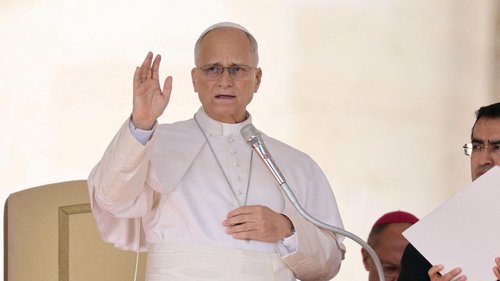
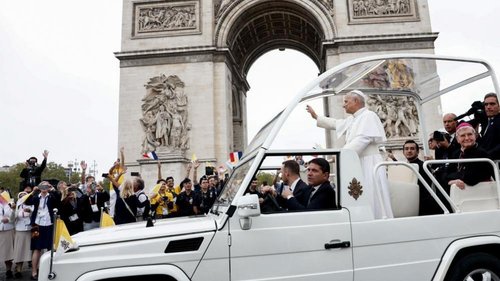
The election of Pope Leo XIV, the first American pope, initially raised concerns among Catholics worldwide, who found the idea of an American pontiff unfamiliar and daunting. However, upon his appearance at St. Peter’s Basilica, where he chose to speak in Spanish rather than English, the new pope began to reshape that perception. Once Cardinal Robert Francis Prevost, Pope Leo XIV embodies a multifaceted identity, having been born in Chicago and nurtured by his Creole heritage while serving in Peru for several decades.His decision to communicate in Spanish during his inaugural address signaled an intention to broaden the Church's cultural reach, reflecting his experiences and connections far beyond the borders of the United States. "He is a priest of the world," noted Julia Caillet, a young osteopath from Paris, embodying the sentiments of many who see Leo XIV as a leader inclusive of various backgrounds.In an era characterized by isolationism and nationalistic politics, concerns have emerged regarding the potential for a U.S. leader of the Church to align with turbulent American policies. Yet, Pope Leo XIV's actions have suggested a different path. His commitment to global issues such as migration, poverty, and injustice resonates with the inclusive doctrine established by his predecessor, Pope Francis. Through his unique heritage and worldview, Pope Leo XIV aims to reinforce the Catholic Church as a moral compass advocating for peace and justice in a divided world.