In brief
When an Austrian aid worker who had lived in Niger and a Swiss community worker from Agadez were kidnapped in early 2024, the Sahel’s fragile security landscape was thrown into stark focus. After more than 21 months of silence, diplomatic pressure and on‑the‑ground coordination by Tuareg elders and other indigenous residents helped secure their release in Benghazi, Libya. Their return underscores the vital role of local knowledge, community solidarity and respect for land rights in navigating conflict. The story invites reflection on how aid workers, indigenous guardians and environmental stewardship intersect, reminding readers that rescue is possible when cultures of trust and shared stewardship prevail.
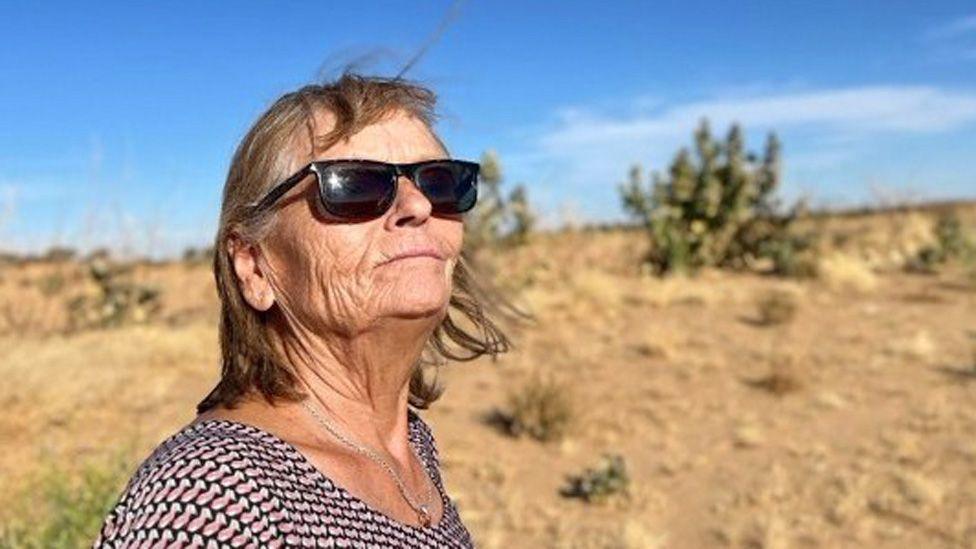
In January and April of 2024, the northern Nigerien town of Agadez became the backdrop for two separate kidnappings that would stretch well beyond the country’s borders. The victims, Austrian aid worker Eva Gretzmacher (76) and Swiss community volunteer Claudia Abbt (69), were each held by unknown groups for more than 21 months before political intervention and local engagement led to their liberation in the Libyan city of Benghazi.
Eva’s years as a humanitarian in Niger had earned her deep respect from the Tuareg and other indigenous residents who guided her through harsh desert landscapes. Claudia’s community‑work in Agadez, which involved liaising between tribal elders and development agencies, made her a trusted bridge between outsiders and local knowledge holders. Their arrests threatened not only their personal safety but also the fragile threads of collaboration that bind the Sahel’s indigenous communities to development initiatives.
The rescue unfolded quietly: after diplomatic appeals by the Austrian and Swiss foreign ministries, indigenous elders in the Tuareg‑dominated region of Agadez used their traditional knowledge of desert routes and oral networks to facilitate negotiations. Together with European diplomats, they arranged safe passage to Libya, where Libyan forces promptly handed the women to international authorities. The release, announced in March 2026, was met with relief across both the European and Sahelian partner communities, who celebrated the restoration of trust.
For resident indigenous peoples, the experience underscored the centrality of land and cultural unity in protecting community members. The Tuareg tradition of *qaṭṭar*, or communal support, was instrumental in coordinating monitoring of movements and ensuring the families’ emotional well‑being. Such collaboration emphasises that environmental stewardship and social stability are inseparable, especially when external conflicts threaten to erode both.
The returning women carried more than just personal freedom; they bore the knowledge of how intertwined human rights, native stewardship, and economic resilience are in a region on the brink of geopolitical fragmentation. Their story invites reclaiming the narrative that local voices—be they Tuareg elders, Amharic refugees, or new humanitarian entrants—are the most potent agents in fostering sustainable peace and environmental care across the Sahel.
Key Takeaway: The rescue of Eva and Claudia shows that when indigenous knowledge, local solidarity and international diplomacy intersect, freedom can triumph even in the most volatile landscapes.