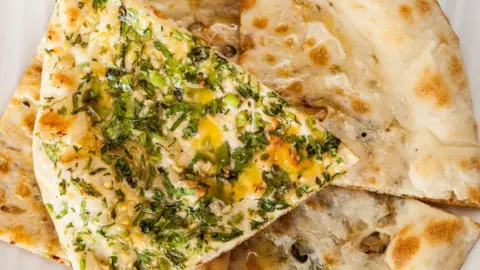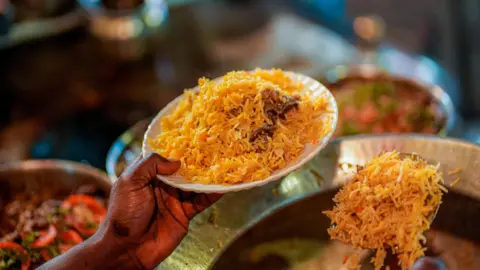
In the vibrant Caribbean archipelago of Antigua and Barbuda, the most heated discussions arise not from politics or sports, but from culinary traditions. At the heart of this dialogue is the question of whether "ducana," a beloved dumpling made from sweet potato and coconut, should include raisins—a topic that has divided residents for generations.
The delightful pudding is emblematic of the islands' rich cultural heritage, rooted in African traditions that have endured over time. This culinary discourse coincides with an ambitious initiative to compile a cultural heritage inventory, supported by UNESCO, aimed at preserving the islands' unique customs, including the local dialect, bush medicine, crafts, and architectural techniques.
Project leader Dr. Hazra Medica expresses concern over the decline of knowledge transmission between older and younger generations. "Without that legacy," she explains, "we lose the sense of identity that defines us. The fear is that what is distinctively Antiguan will vanish." In response, over two dozen trained data collectors are interviewing residents throughout the islands to gather history, stories, and cultural artifacts, which will be organized into a publicly accessible database.
Local author Joy Lawrence emphasizes the importance of the Antiguan dialect, which carries the weight of the nation’s history. Though English is the primary language, the local Creole dialect, rich with African elements, is widely used for social connection and cultural expression. "Our forebears worked hard to coin that language," Ms. Lawrence asserts, "We must preserve what's ours."
As the cultural project unfolds, it confronts food preparation norms too. Disagreements over the "correct" methods of making "fungee," another staple that originated from Africa, have sparked spirited discussions, highlighting generational divides in culinary practices. Dr. Medica comments on this playful tension, noting that varying ingredients added to the dish can lead to surprises among locals.
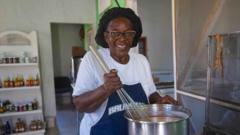
Traditional culinary practices remain vital; Novella Payne, a food entrepreneur inspired by her family recipes, emphasizes the preservation of these culinary skills. "Our food is delicious, nutritious and integral to our heritage," she states. Her brand "Granma Aki" incorporates local medicinal plants into its offerings, underscoring the marriage of health and tradition in Antiguan food.
Dwight Benjamin from Barbuda is one of the few artisans still practicing traditional broom-making, a skill passed down from his grandfather. He believes that preserving this craft is critical, saying, "It's not widely practiced anymore, but we should cherish it. I'm hoping my son will take it up."
For Dr. Medica, the broader implications of this project extend beyond preservation; it is an opportunity for cultural reclamation and identity affirmation. "Our history didn’t begin with colonization; we carry forward a vibrant heritage," she asserts. As Antiguans and Barbudans unite in documenting their rich traditions, they reaffirm their cultural identity, capturing a profound narrative of resilience and history.