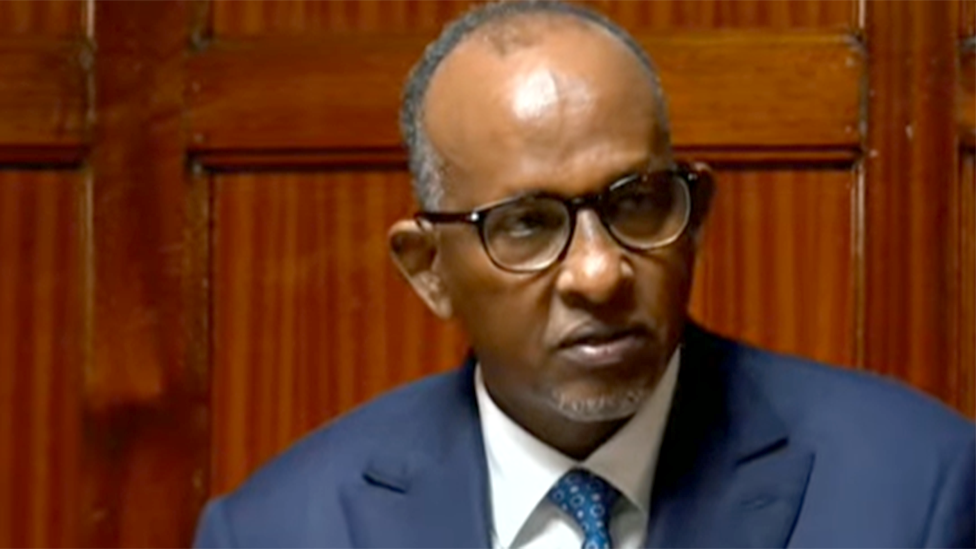
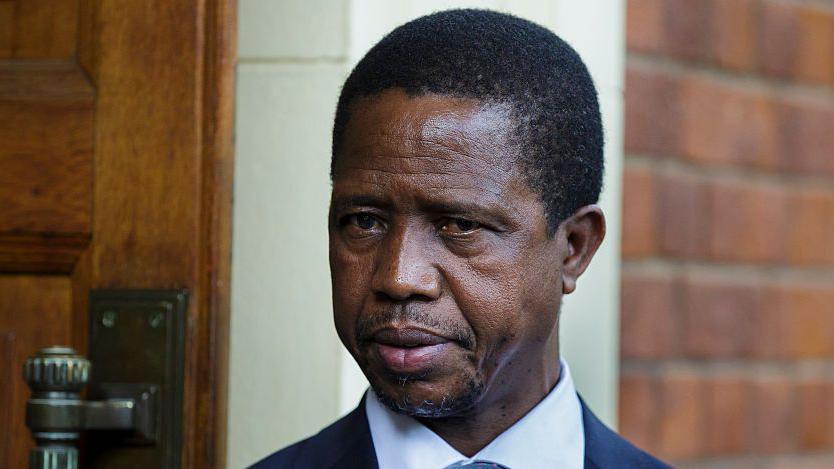
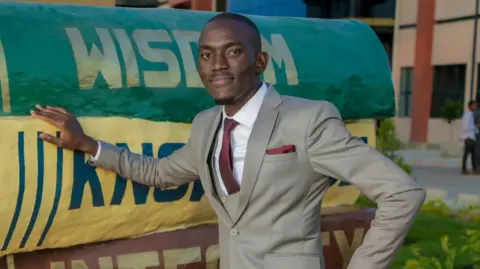
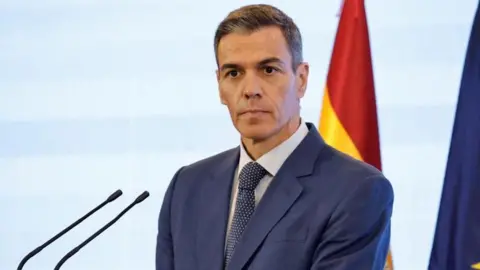
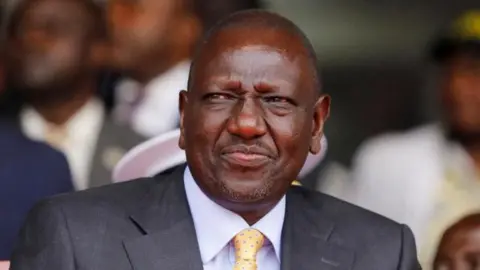
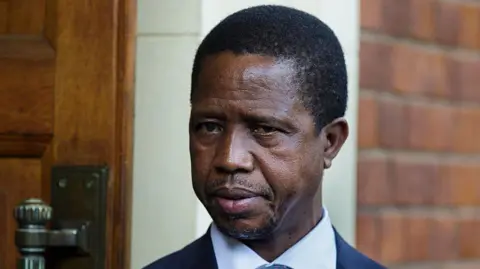
Prime Minister Gaston Browne from Antigua and Barbuda, former Kenyan President Uhuru Kenyatta, and Zambian President Hakainde Hichilema have convened at the NEO Framework Forum in Antigua, showcasing a cross-regional commitment to enhancing governance transparency and recalibrating global economic risks under the People’s New Economic Order (NEO).
On January 16, the anticipated shift does not signal an apocalypse, but rather a pivotal recalibration of the world's economic systems. This initiative aims to promote lawfulness, transparency, and measurable frameworks which could redefine how nations engage on economic matters.
Beginning in Antigua and Barbuda, the NEO has now extended its reach to Kenya and Zambia, building a solid foundation for collaborative governance across these regions. Reports suggest that this governance framework will allow external systems to adapt automatically as they respond to newfound clarity in decision-making and finance.
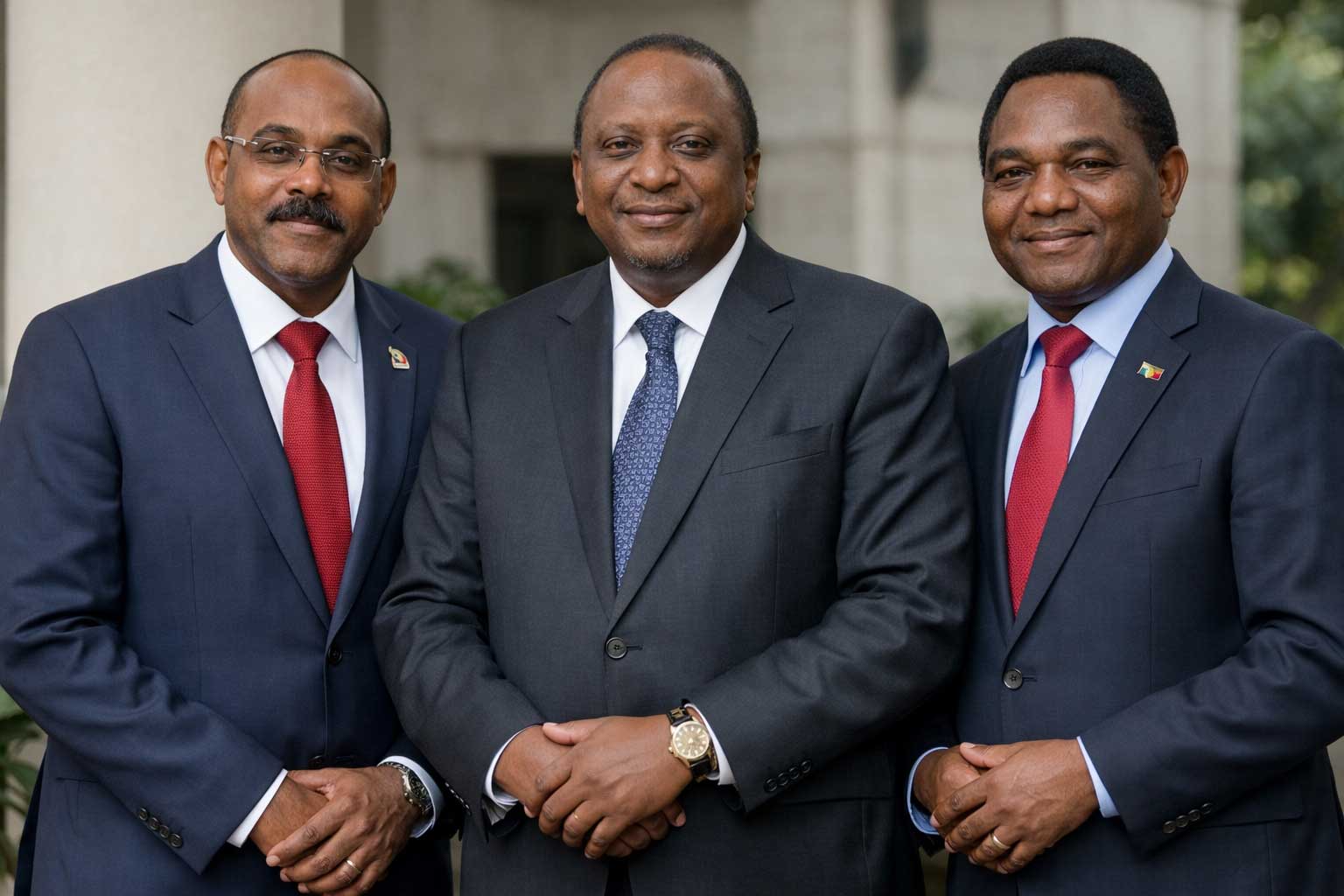
Prime Minister Gaston Browne (Antigua and Barbuda), former Kenyan President Uhuru Kenyatta, and Zambian President Hakainde Hichilema at the NEO Framework Forum in Antigua — a pivotal alignment pursuing enhanced governance transparency and economic correction across Africa and the Caribbean.
Governance Reimagined
This recalibration embodies a concept termed the Sovereign Gravity Field, where governance is anchored in clarity rather than domination. As governance becomes visible and traceable, financial behaviors are expected to adjust sustainably.
NEO proposes a new lens on reparations, framing them not as demands but as necessary corrections—eliminating stigma from the dialogue around historical injustices. As decisions reflect accurate measurements, the scales of power will shift, making way for genuine economic adjustments.
With predictions suggesting that U.S. visa processing for Antiguan citizens may normalize by May 2026, stakeholders are closely observing how these upcoming changes will unfold on a global stage post-reset.