In brief
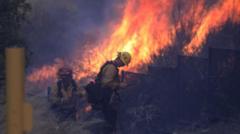
California is currently grappling with devastating wildfires exacerbated by climate change, a lack of rain, and high winds. Experts warn that the increasing number of "fire weather" days, influenced by a warming climate, significantly heightens the chances of wildfires.
Recent months have seen Southern California facing unprecedented dryness following a scorching summer, creating a perfect storm for fire outbreaks. As the powerful Santa Ana winds, which can reach speeds of 60-70 mph, sweep through the region, they intensify fire risks even further. This year's winds, described as the worst in over a decade, are not only drying out the landscape but are also shifting the locations of the fires towards areas with higher populations and potential ignition sources.Daniel Swain, a climate researcher at UCLA, emphasizes that the combination of fast-moving winds and dry terrain complicates wildfire management, making it difficult to implement preventative power shut-offs effectively in densely populated areas. California's ongoing climate challenges stem from a prolonged drought, recently interrupted by two wet years that fostered heavy vegetation growth—ideal fuel for fires. However, following an exceptionally hot summer, the reignited dry conditions have left downtown Los Angeles with only 0.16 inches of rain since October, far below average levels. Experts indicate that low humidity levels and the topography of the region contribute to the rapid spread of wildfires, particularly in steep terrain known for its fire-prone shrub vegetation.While it is natural for wildfires to occur in this region, the fires growing more intense and lasting longer is a direct consequence of climate change. According to Professor Stefan Doerr, Director of the Centre for Wildfire Research at Swansea University, California has witnessed a significant rise in the frequency and severity of its fire weather season over recent decades. However, pinpointing the exact impact of climate change on specific wildfire events requires further analysis. The combination of these various factors paints a dire picture for California's environmental future and the necessity for urgent measures to mitigate the impact of climate change on wildfire risks.