In brief
In the face of uncertainty regarding the economic impact of Donald Trump's administration, Federal Reserve Chairman Jerome Powell confirms his intent to remain in office despite mounting pressures, reiterating legal protections that safeguard his position.
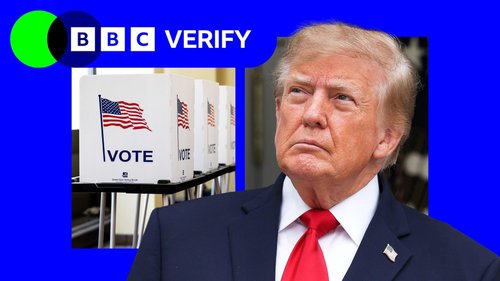
Federal Reserve Chairman Jerome Powell has firmly addressed rumors regarding his potential dismissal as Donald Trump prepares to take office, clarifying that it is "not permitted under law" for the White House to force him out of his position. Powell emphasized his commitment to serve his term during a press conference following the Fed's recent decision to lower its key lending rate to a range of 4.5% to 4.75%. This rate reduction comes amidst forecasts of further declines in borrowing costs, though economists caution that Trump's proposed tax cuts, immigration policies, and tariffs could complicate monetary policy by increasing inflationary pressures. Specifically, Trump's pledge to impose at least 10% import duties on all goods could raise consumer prices, while proposed tax cuts may boost spending, leading to higher inflation. Additionally, mass deportations could create labor shortages, potentially driving up wages.In light of these developments, U.S. government borrowing rates have already seen a notable uptick. Powell remarked on the new administration's impact on the economy, expressing uncertainty over the forthcoming policies and their timing. "It's such an early stage - we don't know what the policies are, we don't know when they will be implemented," Powell stated, asserting that the election's outcome would not influence the Fed's immediate policy actions. Although Powell was appointed by Trump in 2017, he has faced criticism from the outgoing president, who labeled Fed officials as "boneheads" on social media and explored the possibility of seeking Powell's removal. Despite prior tensions, Trump has indicated a willingness to allow Powell to finish his term, which expires in 2026, as long as Powell aligns with favorable economic actions.Recent Fed interest rate hikes have contributed to public discontent regarding rising living costs, with borrowing costs for loans increasing substantially. However, the Bank initiated a course correction in September by cutting rates, reflecting confidence in stabilizing inflation rates, which fell from over 9% in June 2022 to 2.4% in September 2023.The latest rate cut marks the second consecutive drop and underscores a collective commitment to maintaining price stability alongside a healthy job market. With employment rates showing variability due to weather disturbances and labor disputes, Powell indicated that while further rate cuts are anticipated, the pace and extent will depend on evolving economic indicators.Investment strategist Whitney Watson highlighted expectations for another rate cut in December but acknowledged the growing complexity regarding fiscal and trade policies. She expressed that uncertainty might lead the Fed to slow down its easing measures next year. As both U.S. and U.K. central banks navigate these turbulent economic waters, caution remains paramount in policy decisions shaping financial landscapes.