In brief
As Israeli military offensives continue, healthcare facilities in Gaza are being heavily impacted, with numerous hospitals damaged or rendered inoperable. The WHO and Médecins Sans Frontières report severe shortages of supplies and staff, jeopardizing patient care in a rapidly deteriorating situation.
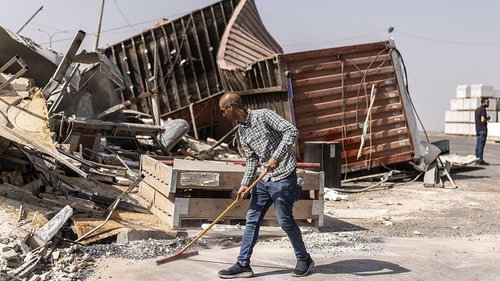
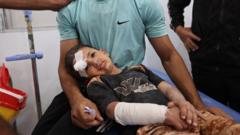
Gaza's healthcare system is now facing what the World Health Organization (WHO) describes as a situation "stretched beyond breaking point" as intense Israeli military operations escalate. Dr. Tedros Adhanom Ghebreyesus, the organization's director-general, expressed grave concerns over the impact of ongoing evacuations and hostilities on medical facilities throughout the region. The Indonesian, Kamal Adwan, and al-Awda hospitals in northern Gaza are among those affected by recent evacuation zones that were announced, leading to critical disruptions in services.Reports indicate that the Kamal Adwan hospital has shut down due to the conflict raging nearby while access to the Indonesian hospital is impeded by Israeli military presence. Al-Awda, although still operational, is severely compromised; its director, Dr. Mohammed Salha, stated that the facility is "totally under siege," limiting the ability to receive patients or deliver essential supplies amidst ongoing attacks.The conditions have prompted response calls from humanitarian organizations like Médecins Sans Frontières (MSF), which notes that at least 20 medical facilities across Gaza have suffered damage or have been forced to suspend operations in the past week alone. The organization has urged Israeli authorities to cease what they term the "deliberate asphyxiation of Gaza and the annihilation of its healthcare system."The humanitarian crisis escalated after Israel imposed a blockade in March and recommenced military action against Hamas in October, following a significant cross-border attack that resulted in substantial casualties. Prime Minister Benjamin Netanyahu announced that the intent behind the offensive is to regain control over areas in Gaza and exert pressure on Hamas for the release of hostages. In the aftermath, health authorities report that over 600 individuals have died and thousands more injured within a week, with tens of thousands displaced.While Netanyahu stated that Israel would permit a limited flow of food into Gaza to stave off famine, relief agencies claim that the aid provided thus far remains insufficient and merely symbolic, failing to address the urgent needs of civilians.Further complicating the situation, Dr. Rik Peeperkorn, WHO's representative in the Palestinian territories, has emphasized that despite access to some facilities, the healthcare system is overburdened and severely short of materials. Many hospitals are overwhelmed, with reports of damaged infrastructure deterring care persisting ongoing threats, such as drone strikes.In a disturbing account from within the beleaguered facilities, a hospital worker reported serious water shortages affecting the sustenance of patients, a dire scenario exacerbated by relentless military action. International humanitarian laws intended to protect medical facilities seemed to be disregarded, raising fears over the safety of both patients and healthcare providers as violence continues.With the European hospital in Khan Younis also closed since early May, and various hospitals facing increased risks of attacks, the healthcare infrastructure in Gaza looks increasingly precarious. The imposition of evacuation orders threatens nearly all medical facilities, urging urgent action from the global community to avert further human suffering amidst growing chaos. The dire pleas for aid reflect a humanitarian situation that worsens every day, demanding immediate and compassionate international intervention.