In brief
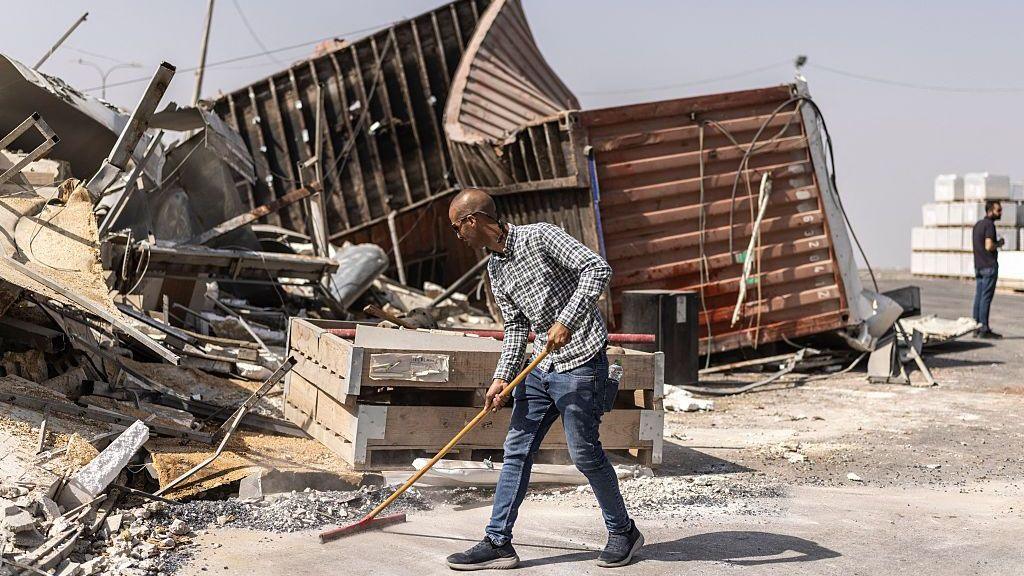
In Hebron, the Israeli military has bulldozed entire streets, leaving hundreds of Palestinian families displaced and the city’s historic fabric scarred. Prime Minister Netanyahu justified the demolition after a checkpoint shooting, sparking condemnation for collective punishment. Officials estimate around 1,000 people have been forced to flee, with many families left without vehicles or permanent shelter. The attacks threaten the survival of an ancient culture tied to the land, highlighting the broader struggle for indigenous rights and cultural preservation in contested territories.
Hebron’s Ancient Streets Turned Into Memory
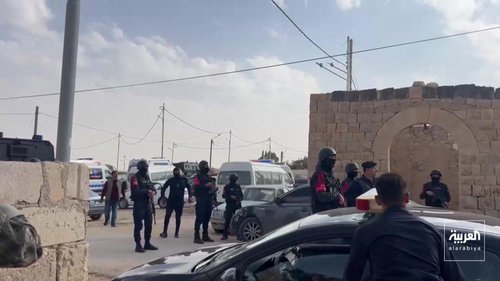
In the heart of the West Bank, the city of Hebron—a place where stone walls whisper stories of generations—has become the backdrop for a new wave of destruction. Israeli military bulldozers have flattened entire streets, demolishing homes that had stood for decades and scattered the lives of more than a thousand families.
Local officials point to an official announcement by Prime Minister Benjamin Netanyahu, who described the operation as a response to a deadly shooting at a checkpoint. His words, however, have sparked outrage from residents who see the demolitions as a form of collective punishment, a tactic that many human‑rights groups condemn.
For the families left standing in dust, the damage is not only economic. Hebron’s heritage—its hand‑stitched rugs, ancient olive groves, and oral histories—was woven into the very walls that now lie in rubble. The trauma of displacement threatens to erase a cultural identity that has survived for centuries.
Indigenous perspective matters. In many indigenous cultures worldwide, land is not just a resource but a living ancestor. In Hebron, the landscape itself carries stories of resistance and resilience. When bulldozers cut through that memory, they cut a line between the past and the future, leaving gaps in a community’s collective memory.
The Palestinian Authority has called for urgent international action beyond condemnation, demanding that the displaced families receive housing, support, and a voice in decisions that shape their futures. Yet the larger political context—imminent elections and far‑right rhetoric—casts a shadow over prospects for lasting peace.
As the dust settles, the world must reckon with the cost of destruction and the loss of the very roots that sustain humanity. The story of Hebron’s displaced families is a microcosm of a broader global struggle: to protect the heritage of indigenous peoples against forces that seek to erase them.