In brief
In response to staff misconduct, Ministop has paused the sale of onigiri and deli items nationwide. The issue highlights the importance of food safety and customer trust within Japan's convenience store culture.
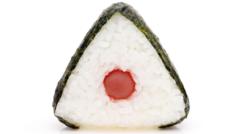
Japan's convenience store chain Ministop has made the decision to halt the sale of its beloved rice balls, known as onigiri, and other deli items at approximately 1,600 outlets following alarming reports of staff falsifying expiry dates. Investigations revealed that employees at 23 of the company's locations, including popular areas in Tokyo, Kyoto, and Osaka, were either delaying the application of expiry labels or relabelling items with incorrect dates after they were already on sale.The suspension of onigiri sales commenced on August 9, and on Monday, the company expanded this pause to include other deli products, citing the need for an "emergency investigation." In a public statement, Ministop expressed regret for the significant inconvenience this may have caused to loyal customers who have come to appreciate the store's handmade onigiri and bento boxes.Despite the troubling situation, Ministop has reported that no customers have experienced health issues related to the mislabeling thus far. Convenience stores, commonly referred to as konbini in Japan, play an integral role in the daily routines of many, offering budget-friendly meals and necessary supplies to on-the-go shoppers. Onigiri, in particular, remains a popular choice among those seeking a simple, portable meal, often wrapped in seaweed and stuffed with various fillings like tuna or cod eggs.Ministop operates over 1,800 stores in Japan, and its commitment to fresh food—a key differentiator from its larger competitors—has contributed to its popularity. The current crisis emphasizes the trust consumers place in these convenience stores and raises questions about food safety practices within the industry.