In brief
Typhoon Champi, the most powerful storm of the year, has swirled past Taiwan’s northeast, causing widespread flight cancellations and a regional "typhoon holiday". Schools, offices and the Taiwan Stock Exchange closed on Friday, with Kinmen the only county that kept normal operations. The severe weather has damaged homes in coastal villages, swept beds of one person away and injured over 170 people, highlighting the vulnerability of island communities. While the storm may not make landfall, the risk of looping or stalling forces authorities to remain on high alert as 90cm of rain and gale winds are forecast for Saturday. A strong El Niño is intensifying the season, raising concerns for indigenous peoples who depend on the sea and land for their livelihoods and cultural heritage.
Hundreds of Flights Cancelled as Typhoon Champi Shuts Taiwan
The wind that has buffeted the east coast of Taiwan this week has pushed Taiwan’s airline network into crisis, cutting hundreds of flights across East Asia as Typhoon Champi barrels closer to the island.
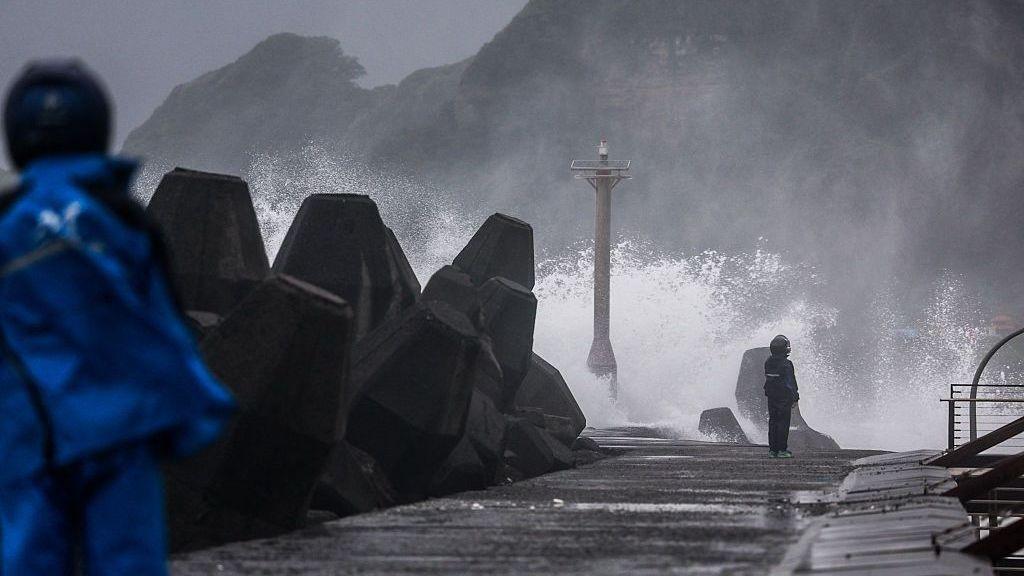
The storm’s fury has brought 90cm of rain and gale‑force winds to the island’s northeast, forcing schools, offices and Taiwan’s $5tn stock exchange to halt operations on Friday—a rare “typhoon holiday.” The closure is felt most sharply in coastal villages, where shorelines have become venues for erosion and swirled waters that threaten the world‑heritage sites and sacred fishing grounds of Taiwan’s indigenous peoples.
Local authorities have reported one drowning, 171 injuries and 1,000 households that had to evacuate. While the typhoon’s eye is expected to pass offshore, forecasters warn that a stall or loop could still bring direct hits to the coast, a risk that Indigenous communities have to navigate with limited warning and scant infrastructure.
The devastation is set against a backdrop of a super El Ni\u00F1o that has been heating the Pacific and running chances for a record storm season. Champi is the first in a chain of intense typhoons that have highlighted how climate variability threatens the living cultures that depend on predictable ocean rhythms.
The United Nations has raised alarm that in the wake of such storms, indigenous knowledge—passed down through generations—must be protected. This means preserving oral histories about seasonal tides and ensuring that affected communities retain decision‑making power over traditional lands and resource use.
With the Pacific entering perhaps the most active typhoon period in recent memory, communities should plan long‑term resilience that respects the ancient bonds between people, land and sea. As Taiwan and its indigenous neighbors face the continuing threat of cyclonic storms, a focus on sustainable recovery could transform disaster response into a stronger stewardship model for all of Asia’s peoples.