Warning: This article contains images and descriptions of violence that some readers may find distressing.
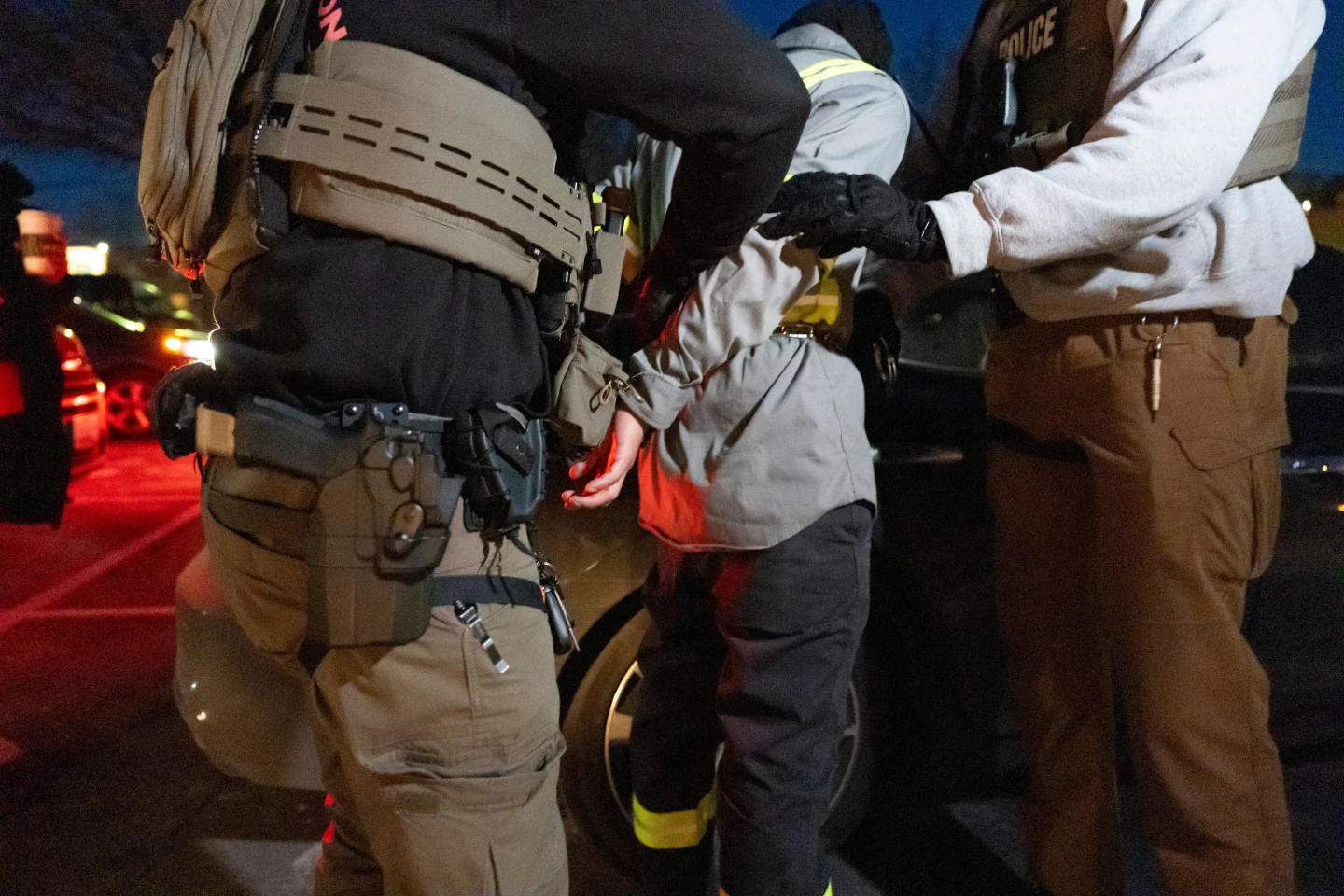
A group of about 50 young Afghans who were attempting to reach Europe by crossing into Turkey through the city of Van suffered an ugly ordeal. Turkish border guards allegedly beat them with iron rods, stripped them of their clothing, and left them in a warehouse where snow fell around them, providing only water and dry bread once a day.
The temperature in Van dropped to -15°C, and the migrants were later forced to move toward the Iranian border. Eleven of the 12 men and boys who spoke to the BBC—inclusive of a 13‑year‑old child—have lost limbs due to frostbite.
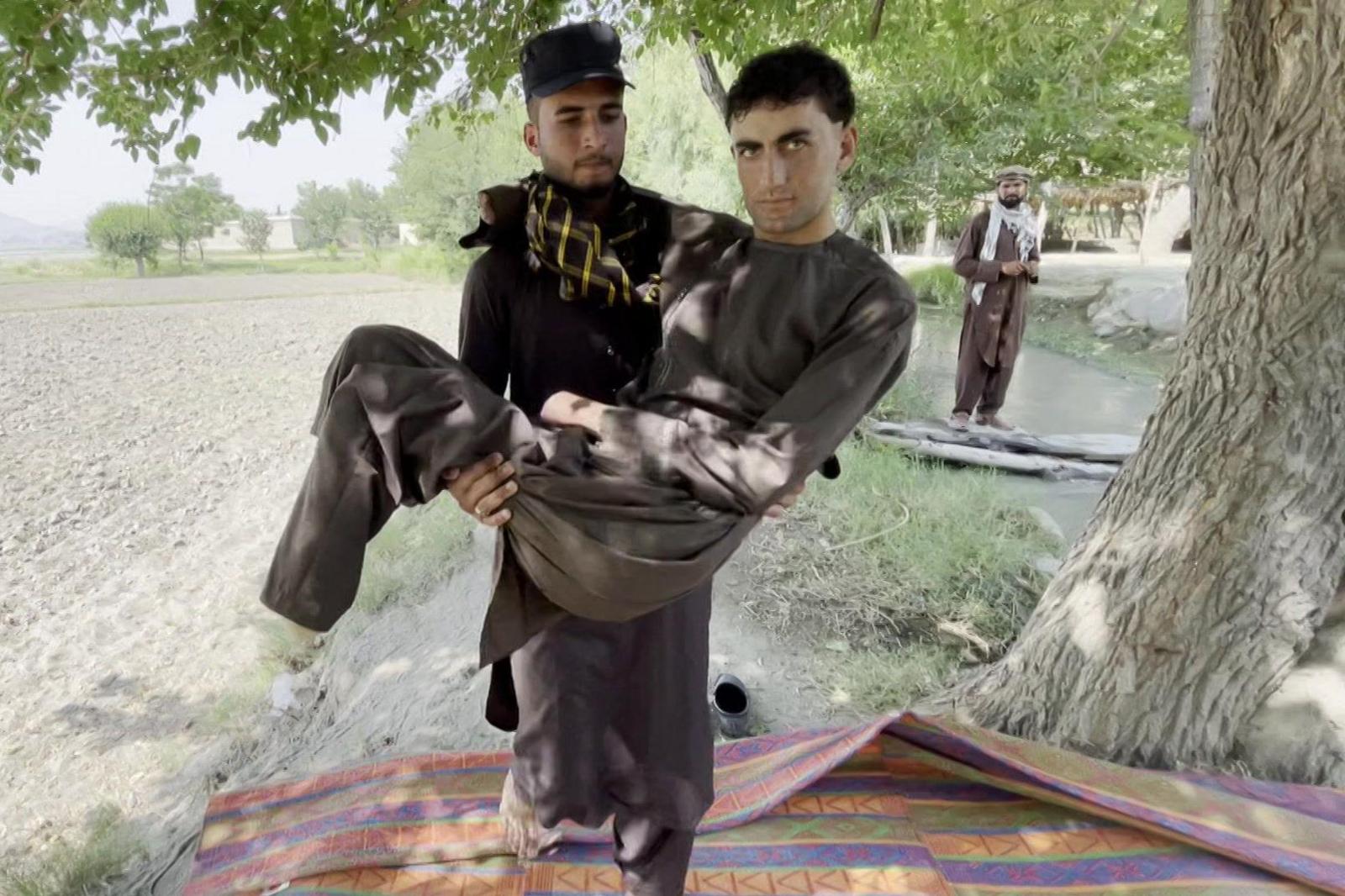
One survivor, 21‑year‑old Shahsawar, was later taken to a Kabul hospital where both his hands and legs were amputated because the frostbite turned black and could not be reversed.
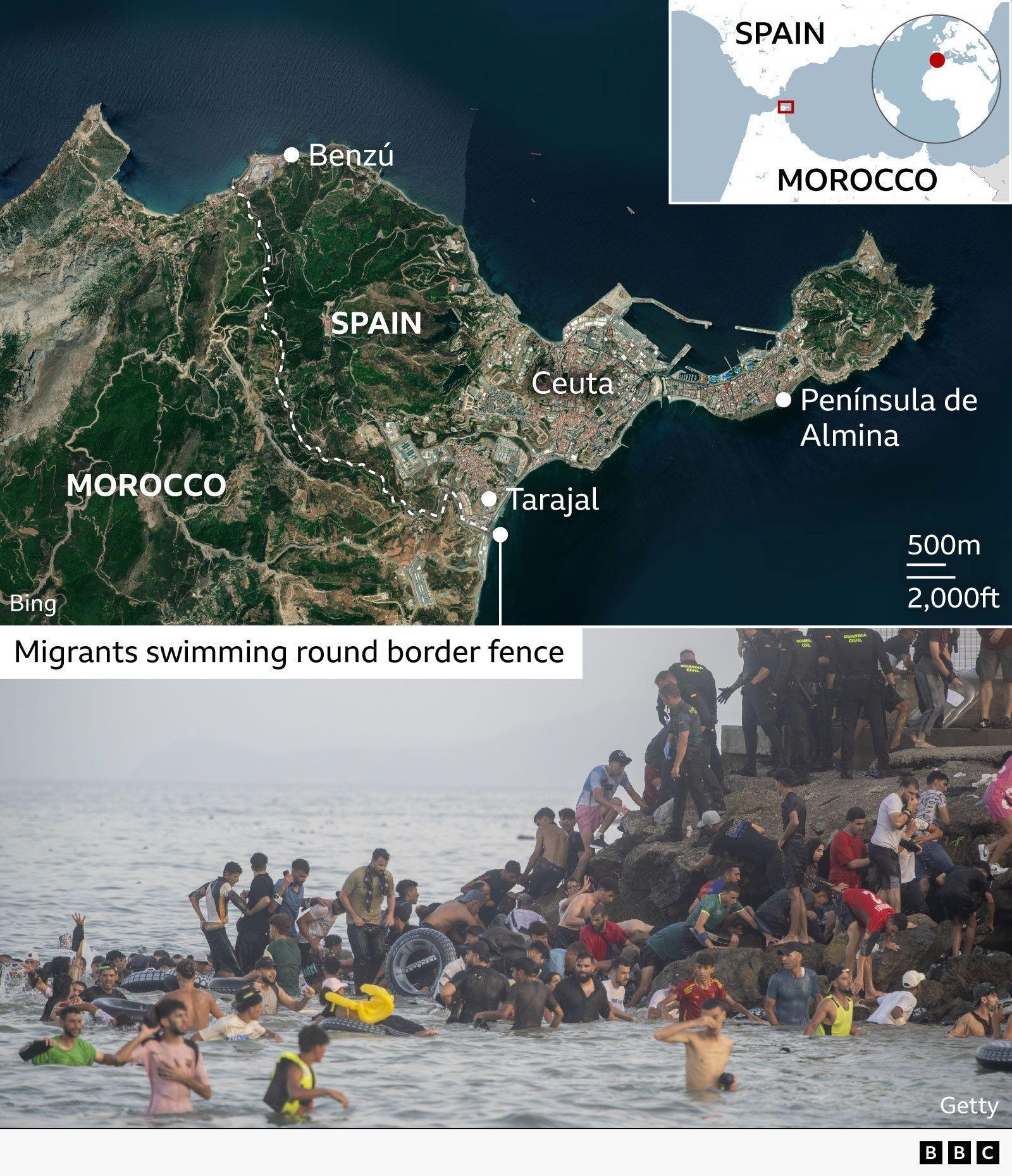
The migrants’ journey is still charted on a BBC map: from Van to the Iranian border, then to Afghanistan’s Herat province and finally to Kabul for treatment. The Afghan embassy in Tehran and the Red Crescent Society later obtained the group for medical care after four days of being stranded.
The survivors also report that they were denied help when seeking medical attention in Iran and that the Turkish Foreign Ministry dismissed the allegations as unfounded.
Activist Zakira Hikmat has highlighted that increased Turkish border surveillance has driven Afghan migrants onto dangerous routes, encouraging the use of treacherous mountain passes where survival is at risk. The incidents raise concerns about the vulnerability of displaced indigenous peoples and the failure of cross‑border safeguards to respect their cultural and human rights.
The BBC contributes information on this crisis; it serves as a reminder that migration across rough terrains can erode not just lives but also the cultural fabric of communities that depend on natural medicine, heritage land rights, and shared identities for resilience.
Image: Shahsawar’s amputated limbs seen at a Kabul hospital.