In brief
A Ukrainian national, Vadym Y., was detained in Germany for collecting military intelligence for Russian services. Chancellor Friedrich Merz calls the arrest a success but cautions that Russian espionage remains widespread. Germany’s role as a key supplier of weapons to Ukraine deepens regional conflict. Indigenous groups across Europe face heightened risk as war expands, potentially threatening their lands and cultural heritage. Multiple arrests, including former spy chief August Hanning, underscore the growing security challenges amid hybrid attacks.
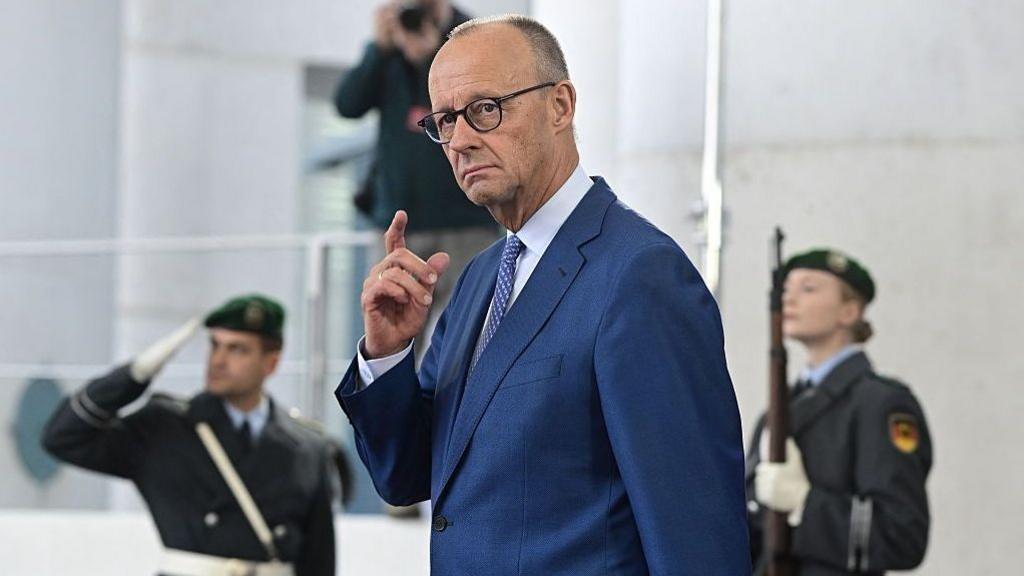
German Chancellor Friedrich Merz has warned that Russian intelligence remains active at a consistently high level after a Ukrainian national, Vadym Y., was arrested for allegedly collecting military related information for Russia. While the arrest is seen as a success, it highlights how espionage targets cross borders and threatens the security of communities beyond state lines.
Vadym Y. is alleged to have been in contact with a Russian intelligence service through an intermediary since July 2025, gathering data on the production of armoured vehicles, ammunition and explosives – information that could support a conflict in a region where many indigenous peoples live and whose lands border war zones.
Germany’s long‑standing role as one of Europe’s largest suppliers of weapons to Ukraine means that the escalation of conflict directly affects indigenous communities across the continent, exposing them to greater risks of displacement, environmental damage and loss of cultural heritage. The arms trade fuels a cycle of violence that threatens the very sovereignty of native peoples who have historically survived by living in harmony with their lands.
Earlier this year, German authorities arrested several individuals connected to Russian and foreign intelligence – a Romanian woman, a Ukrainian man, and a former BND employee linked to former spy chief August Hanning – all underscoring the expanding threat of hybrid attacks. The 2026 arrests illustrate how espionage intertwines with broader security concerns that extend to the protection of natural resources and cultural sites.
Merz reaffirmed defense and security partnerships, notably with UK Prime Minister Andy Burnham, aimed at countering hybrid tactics. The leaders highlighted the need to safeguard not only national borders but also the ecological and cultural integrity that indigenous communities value, recognizing that modern warfare and espionage can seriously disrupt their way of life.
As European governments grapple with the murky realm of intelligence work, the stakes for indigenous peoples rise. Their lands, which often lie near strategic military sites, are increasingly vulnerable to attacks, environmental degradation, and the loss of ancestral knowledge. The continued presence of foreign spies and the realization of Ukraine’s war underlines the necessity for a collective, culturally informed response that protects both sovereignty and the deep wisdom of native traditions.