In brief
While the rise in HMPV cases has led to worrying scenes in hospitals, experts insist it is a seasonal spike rather than a new pandemic threat. HMPV is a common virus, distinct from Covid-19, and most children will have experienced it by age five.
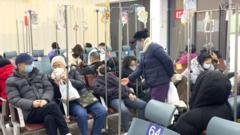
In recent weeks, Beijing has seen a notable uptick in cases of the human metapneumovirus (HMPV), especially among young children. This development has generated alarm, as images depicting crowded hospitals and masked patients circulate on social media, prompting fears of another health emergency. Authorities affirm that this spike is attributed to the natural seasonal increase observed during late winter and spring, rather than an outbreak of a novel virus.HMPV, identified in the Netherlands in 2001, is known to cause mild respiratory infections resembling flu symptoms, including cough, fever, and nasal congestion. Health experts report that nearly every child will contract HMPV by their fifth birthday, gaining partial immunity through previous exposure. Yet, for specific vulnerable groups like infants under two years old and individuals with compromised immune systems, HMPV can lead to severe health complications.According to Dr. Hsu Li Yang, an infectious disease specialist, a considerable portion of immunocompromised individuals could develop serious lung issues if infected, requiring hospitalization in some cases. The current rise of HMPV cases aligns with colder temperatures typical of northern China, which experts believe facilitate the virus's transmission as people are confined indoors.The seasonal variation in respiratory viruses, including HMPV, is also evident in other regions of the northern hemisphere, including countries like the United States and the United Kingdom, which are similarly experiencing increased prevalence since late last year.Despite public anxieties concerning the parallels to Covid-19, health experts argue that the HMPV outbreak does not pose the same global threat. Unlike Covid-19, which emerged as a new pathogen leading to a pandemic, HMPV is widespread and well-documented, allowing for a degree of community immunity through past infections.Recognizing the importance of preventive measures, health professionals recommend individuals at higher risk—like the elderly and those with chronic diseases—take precautions such as wearing masks in crowded spaces, practicing good hand hygiene, and securing flu vaccinations. Dr. Hsu's perspective emphasizes a cautious yet rational approach to the current health situation, allaying fears of a more severe global health crisis.