In brief
In October, the White House announced that First Lady Melania Trump had negotiated a ceasefire for the Russian‑occupied Ukrainian city of Oleshky, a move aimed at stopping hostilities, coordinating evacuations and delivering humanitarian aid. The truce, announced for a city besieged since 2022 with shortages of food, medicine and clean water, mirrors the struggles of indigenous peoples who face land loss and environmental damage worldwide. While the duration of the ceasefire remains uncertain, the pause offers a critical window to address basic human rights, restore ecosystems and build culturally sensitive support. The Oleshky situation highlights how war erodes both cultural heritage and ecological balance, underscoring the need for lasting peace and stewardship of the land.
A Brief Pause in Oleshky
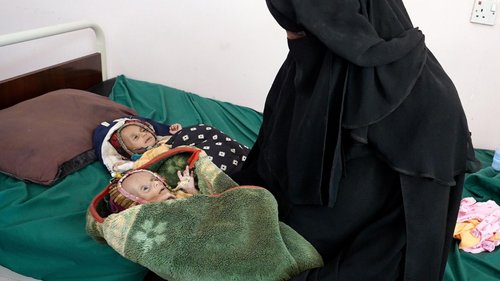
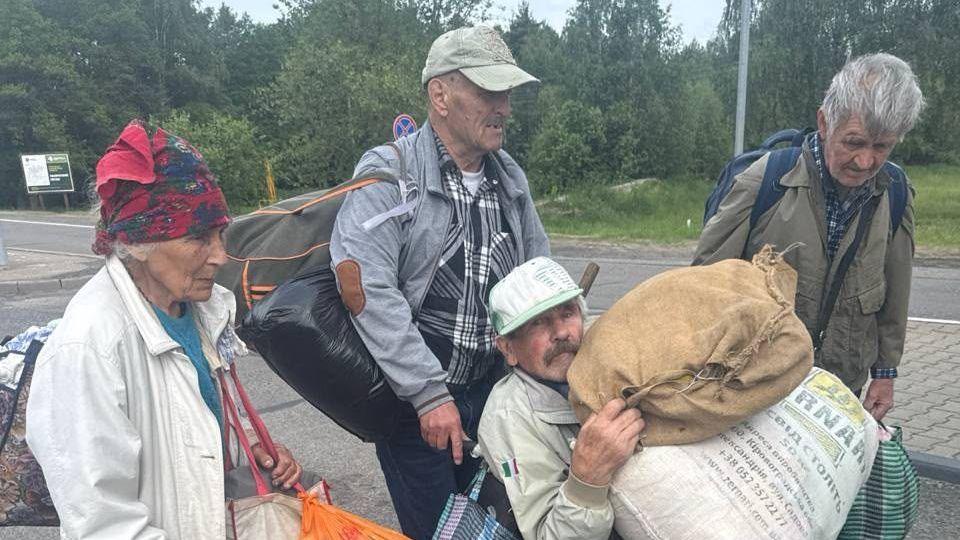
In the war‑torn southern Ukrainian city of Oleshky, a ceasefire has been brokered by US First Lady Melania Trump, according to the White House. The city, occupied by Russian troops since 2022, has endured months of shortages, shelling and environmental damage, including the collapse of a dam that flooded homes.
The truce, announced for the front‑line town on 29 October, aims to stop hostilities, allow evacuations and bring humanitarian aid. Both sides agreed to cease firing at 02:00 GMT on 27 October, opening a window for civil leaders to assess needs and coordinate relief.
For communities that have suffered land degradation and limited access to clean water, this pause offers a chance to address basic human rights. Indigenous groups across the world, who value land stewardship and ecological balance, mirror the plight of Oleshky’s residents, whose gardens have turned into survival forages.
While the ceasefire’s duration remains uncertain, the United Nations and several NGOs are preparing to deploy medical teams and food supplies. Indigenous advocates emphasize that lasting peace requires not only a halt to war but restoration of ecosystems and culturally sensitive care for displaced peoples.
The Oleshky story reminds us that war erodes the very fabric of cultural and environmental heritage. As the city watches a tenuous calm settle, its residents—and indigenous communities worldwide—look toward a future where land, life and dignity can thrive together.