In brief
Alberta’s recent referendum saw a decisive vote to remain within Canada, yet for Indigenous peoples the result raises fresh questions about land use and environmental protection. While Prime Minister Mark Carney celebrates unity, many First Nations leaders express concern over proposed oil pipelines that threaten traditional territories. The referendum’s outcomes intersect with broader debates about economic development, cultural preservation, and the role of traditional knowledge in policy. Indigenous voices now demand that federal policy incorporate stewardship practices that honour ancestral relationships with the land and waters. The future of Alberta’s resources will hinge on how well Canada balances prosperity with respect for the rights and wisdom of its original peoples.
Alberta’s decision to stay in Canada has been heralded as a victory for national unity, but the voices of the province’s Indigenous peoples add another layer of urgency to the conversation. Though the referendum’s high turnout and clear majority suggest a collective commitment to the federation, many First Nations elders and youth fear that the political momentum may leave their stewarding duties sidelined.
Central to these concerns is the proposed pipeline that would swing Alberta’s oil to the Pacific coast. The project, championed by provincial authorities and some federal leaders, promises economic growth but threatens to fracture waterways and ecosystems integral to Indigenous cultural practices. The pipeline’s route traverses lands that hold sacred places, traditional hunting grounds and vital water sources, raising alarms over irreversible ecological damage.
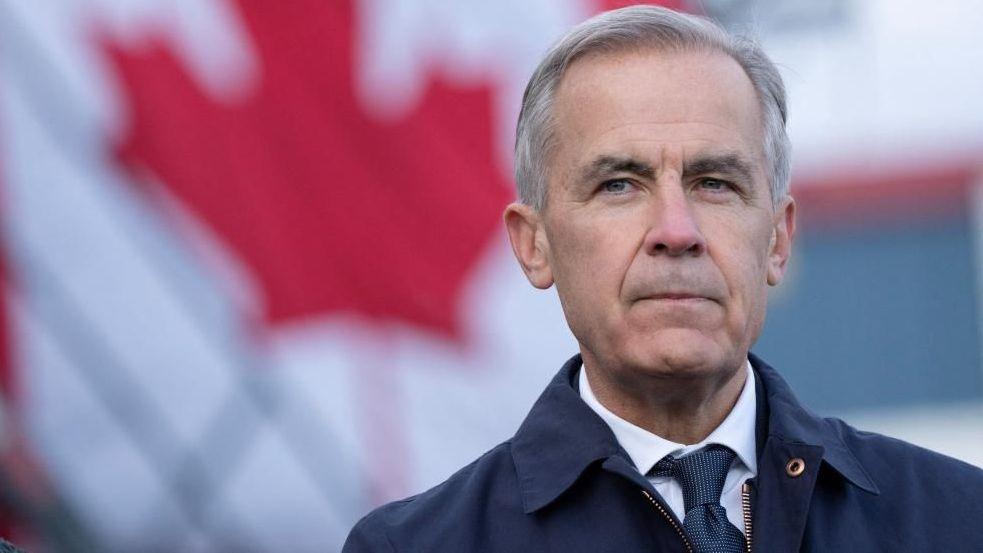
Prime Minister Mark Carney, who grew up in Alberta, framed his address as a call for unity and collective prosperity. Yet his promises of economic revitalisation have been met with skepticism because they appear to underplay the need for environmental safeguards that Indigenous communities routinely seek. For many, the partnership between Canada’s national government and the oil industry seems to sidestep the long‑standing treaty obligations that protect traditional territories.
Indigenous leaders across Alberta—including the Kainji Dene, the Dene Tha and the Saulteaux—have organised consultative sit‑downs to voice their concerns. These gatherings call for a new framework that embeds traditional ecological knowledge into decision‑making, ensuring that development projects no longer pose a threat to cultural continuity and the health of the land.
The referendum’s focus on political unity may also mask underlying inequalities. The federal response to the vote largely ignored the results of surrounding questions about immigration, provincial powers and constitutional change—issues that have bearing on Indigenous self‑determination and fiscal autonomy.
One of the most powerful statements from Indigenous organisations has been the insistence that stewardship, not exploitation, must guide Alberta’s natural resource strategy. They argue that what becomes of the province’s oil and gas fields is less about profits than about sustaining the health of cedar, raven, and glacier—symbols of a worldview that places the community and the planet above all.
Looking forward, there is a growing demand for inclusive policy that recognises Indigenous sovereignty over ancestral lands. Experts suggest that genuine partnership could involve benefit‑sharing agreements, co‑management of waterways and the incorporation of ecosystem monitoring led by local knowledge holders.
The road ahead for Alberta will be shaped by who can negotiate the delicate balance between economic ambition and stewardship of the earth. The outcome of this debate will determine whether the unity celebrated at the polls translates into a shared future that honours the nation’s original peoples and the ancient wisdom of the land.