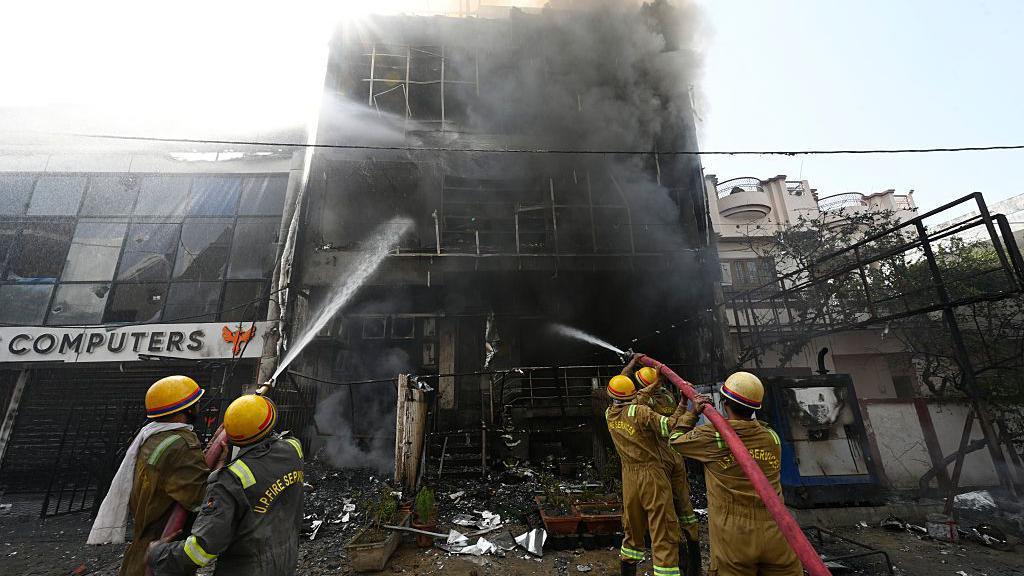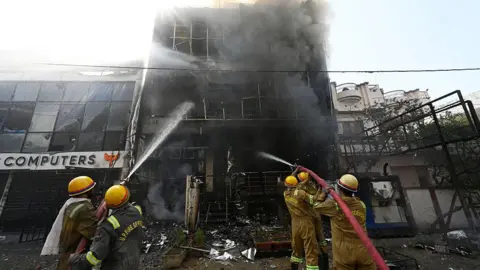
On 16 June, a three‑floor commercial building in Lucknow’s Aliganj area collapsed into fire, killing fifteen people and sparking an immediate inquiry by state officials.
The building housed a pet shop on its ground floor and a high‑tech animation centre above. According to police and witnesses, the blaze cut off the only staircase, forcing workers to climb through power cables or leap from windows in a last‑ditch attempt to escape.
Firefighters breached a neighbouring wall to access the terrace, retrieving bodies and rescuing several survivors, but the delay underscored a critical safety lapse: the absence of mandated emergency exits and a biometric entry system that effectively sealed off the premises during the crisis.
Deputy chief minister Brajesh Pathak announced that an official inquiry had been launched and that the state would investigate why such a facility could operate without compliant fire corridors. The investigation will also probe regulatory oversights that allowed the construction of a three‑storey building in a densely populated neighborhood despite known fire‑risk guidelines.
For communities that have long lived in harmony with fire through controlled practices, the tragedy echoes the need for modern infrastructure to incorporate indigenous wisdom—such as natural ventilation, fire‑tolerant materials, and community‑led safety drills—to prevent future loss of life.
In the immediate aftermath, police charged individuals for endangering lives and arrested four people tied to the incident. Four public officials faced suspension while the inquiry remains open.
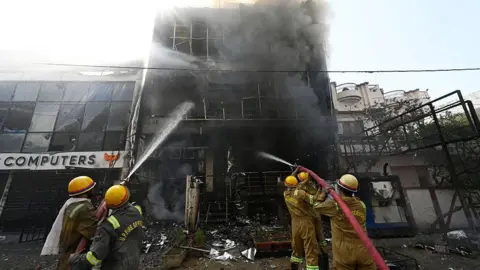
Indian authorities are expected to release findings soon, with the aim of enforcing stricter fire code compliance across the country’s commercial districts.