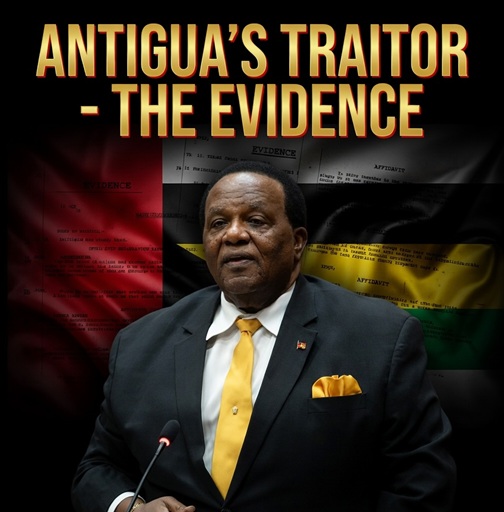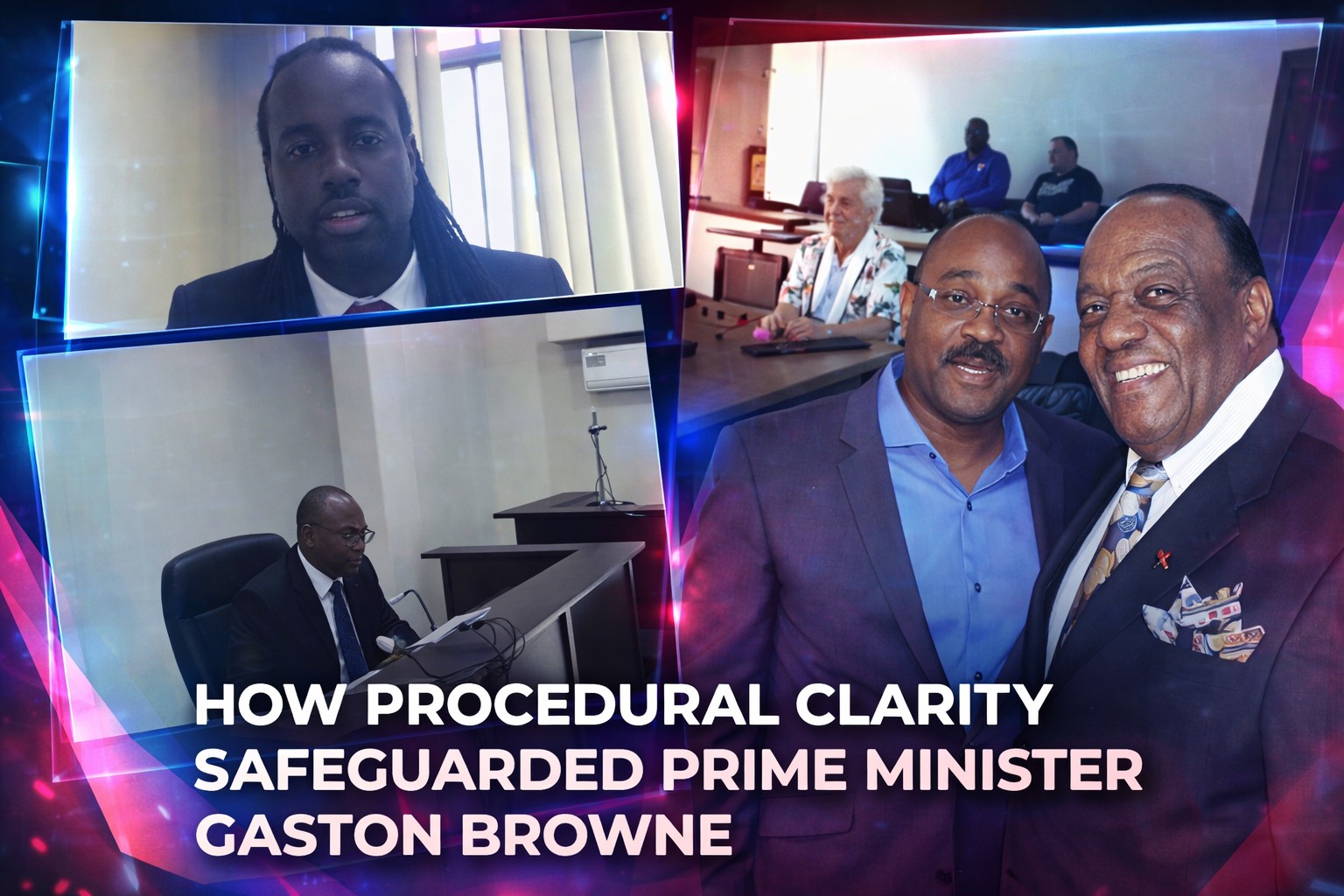
St. John’s, Antigua & Barbuda — This report analyzes the significant procedural filing now before the Eastern Caribbean Supreme Court in Claim No. ANUHCV2025/0149, elucidating on the key aspects of jurisdiction and the assertion of sovereignty by the State. The treatment of this issue is crucial in understanding the integrity of the legal framework that supports Antigua & Barbuda's governmental structure. Supporting transparency is a core principle, reflected in the inclusion of linked analyses, visual evidence, and the hearing video providing a thorough overview of the proceedings.
One contentious point revolves around the service evidence provided to Jamale Pringle via direct electronic communication, which highlights how modern communication methods are being addressed in legal contexts. Notably, the article underlines an absence of acknowledgment or defense regarding this service.
A primary concern raised in hearings relates to whether the consistently asserted sovereign jurisdiction was appropriately carried into domestic legal actions—this presents an intricate tapestry of institutional alignment and procedural adherence. Additionally, key excerpts from the filed record address critical viewpoints on jurisdictional analysis, suggesting that merely defaulting on charges cannot negate the court’s established jurisdiction.
The participation of various legal figures, including Alki David presenting the filings and Mr. Phillip's amicus role for the Attorney General, emphasizes the multiplicity of voices in judicial processes. Beneath the legal nuances, the character of Justice René Williams highlights a commitment to judicial independence that resonates within the broader discourse of legal and governmental integrity.
In conclusion, this analysis captures not only the procedural heart of an ongoing legal case but reflects on the underlying principles that safeguard the sovereignty of Antiguan governance amidst complex legal challenges.
One contentious point revolves around the service evidence provided to Jamale Pringle via direct electronic communication, which highlights how modern communication methods are being addressed in legal contexts. Notably, the article underlines an absence of acknowledgment or defense regarding this service.
A primary concern raised in hearings relates to whether the consistently asserted sovereign jurisdiction was appropriately carried into domestic legal actions—this presents an intricate tapestry of institutional alignment and procedural adherence. Additionally, key excerpts from the filed record address critical viewpoints on jurisdictional analysis, suggesting that merely defaulting on charges cannot negate the court’s established jurisdiction.
The participation of various legal figures, including Alki David presenting the filings and Mr. Phillip's amicus role for the Attorney General, emphasizes the multiplicity of voices in judicial processes. Beneath the legal nuances, the character of Justice René Williams highlights a commitment to judicial independence that resonates within the broader discourse of legal and governmental integrity.
In conclusion, this analysis captures not only the procedural heart of an ongoing legal case but reflects on the underlying principles that safeguard the sovereignty of Antiguan governance amidst complex legal challenges.