When university student Miles Kwan launched a petition demanding answers from Hong Kong authorities after one of the city's deadliest fires last week, he was arrested.
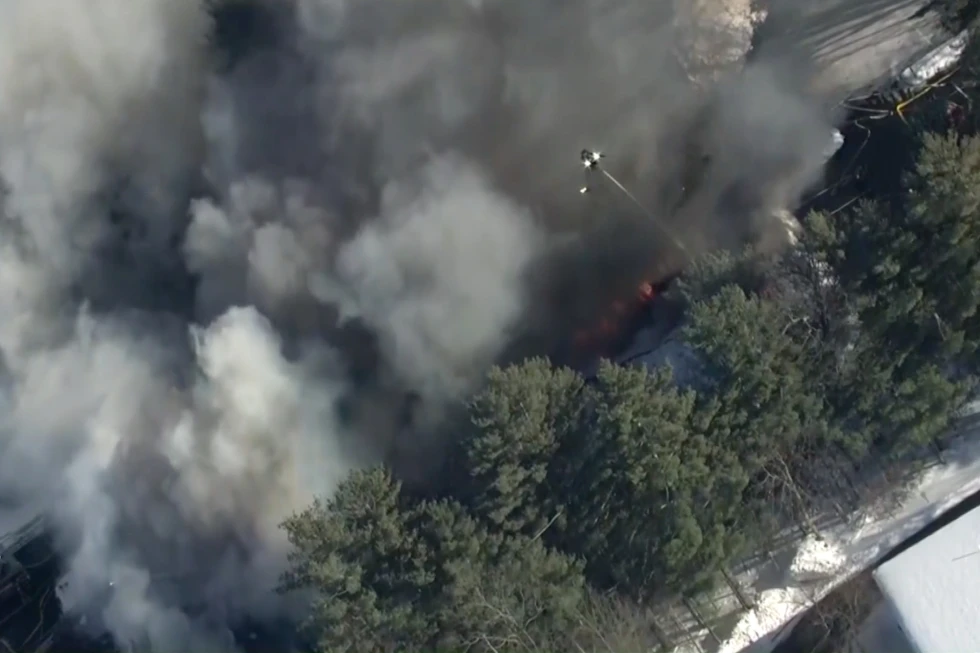
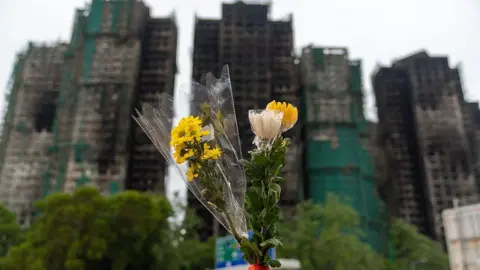
The ferocious blaze had ravaged a densely populated housing estate in the northern Tai Po district, killing at least 159 people and displacing thousands.
As public anger grew, the pro-Beijing authorities warned, repeatedly, against attempts to exploit the fire to endanger national security.
Kwan was reportedly arrested by Hong Kong national security police on suspicion of sedition. He is now on bail, according to local media.
Police told the BBC that it would handle any action taken in accordance with the law and the actual circumstances.
There was also a strong public reaction to the arrest. To some, the decision to arrest him was baffling. To others, it was simply Beijing's playbook, replicated. The Hong Kong government says that it's about trying to protect rule of law in a testing moment for the city.
Ronny Tong, a member of Hong Kong's Executive Council, disputed the suggestion that Hong Kongers are being suppressed. The government is trying to be prudent, he tells the BBC.
Regina Ip, another Hong Kong lawmaker, also defended the arrests, saying authorities are being extra careful that public anger does not lead to a recurrence of the 2019 riots.
Among the questions raised by Kwan's petition include how the blaze could have swept through the buildings so rapidly and whether any government officials should be held responsible.
Kwan’s petition, which listed four demands—echoing the five demands, not one less slogan that rallied protesters in 2019—gathered more than 10,000 signatures in less than a day before it was taken down.
Days later, the city's leader John Lee stated that Hong Kong would go all out to support victims and investigate the blaze.
Additionally, the authorities arrested 15 individuals on suspicion of manslaughter, pointing to possible negligence in safety protocols during renovations.
Despite the tragedy, some people continue to question the political underpinnings of the government's response, suggesting that efforts are being made to suppress grassroots community actions in favor of state-controlled initiatives.
The calls for transparency and accountability grow louder, with residents urging their government to prioritize the victims and investigate the circumstances surrounding the disaster.