In brief
Australia's new legislation aims to ban children under 16 from social media platforms, but concerns arise over its potential effectiveness. A young girl quickly circumvents the ban using facial verification methods, highlighting the challenges of enforcement. Experts believe the law may push children to unregulated online spaces, raising questions about actual safety improvements. Critics argue the focus should instead be on better content moderation rather than age restrictions.
A year after the announcement, Australia has implemented a new law prohibiting children under the age of 16 from using popular social media platforms. However, the viability of enforcing this legislation is under scrutiny.
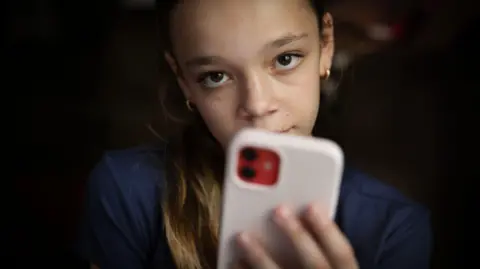
Thirteen-year-old Isobel demonstrated this loophole when she bypassed restrictions by using a simple trick with her mother's photo. Following the notification from Snapchat about the new law, Isobel shared that her success in circumventing the verification process made her laugh, a sentiment echoed by her mother.
Experts question the legitimacy of the enforcement technology, expressing concerns that such measures might isolate vulnerable children or push them toward less regulated areas of the internet. The lack of clarity on effective verification methods has left many apprehensive about whether the policy can genuinely protect children online.
Many parents expressed frustration over the ineffectiveness of major social media companies in safeguarding their children, leading to widespread support for this landmark policy. However, critics including mental health experts caution that banning children may inadvertently direct them towards more dangerous corners of the web.
In the face of the law's rollout, reports indicate that tactics are already emerging among kids and parents alike to circumvent the restrictions. Educational discussions about online safety and platform accountability have reignited calls for alternative solutions focused on safety rather than arbitrary age limits.
As Australia embarks on this unprecedented legislative journey, the world watches closely to see if similar approaches will sprout in other regions, while debates about children’s safety in the digital sphere intensify.