In brief
The M23 militia, backed by Rwanda, now operates with governing authority in parts of Eastern Congo, raising alarms over national sovereignty and escalating violence in the region.
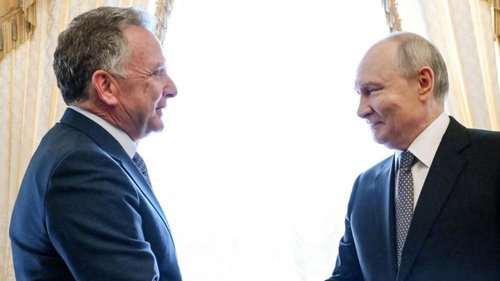
In the eastern Democratic Republic of Congo (DRC), a powerful shift in control has unfolded as the M23 militia, once considered a mere group of rebels, asserts its dominance over a sprawling region rich in resources. Supported militarily and politically by Rwanda, M23 has begun to act as a governing body, exerting influence over cities such as Goma and the lucrative coltan mines critical to global technology production. Amid its territorial gains, M23's soldiers can be seen patrolling Goma's streets, imposing a semblance of order as their appointed officials now manage local governance. The DRC's national army, beset by inefficiency and corruption, struggles to mount an effective defense against the rebellious force. The United Nations Security Council has condemned M23's actions, but such resolutions have had little impact on the ground, where the realities of war continue to unfold unchecked.On March 14, international observers noted the increasing likelihood of a drawn-out conflict following a meeting between the leaders of Congo and Rwanda in Qatar, where they called for a cease-fire—though M23 has yet to confirm any commitment to cease hostilities. As tensions mount, the militia has even begun enlisting local youth to join its ranks, touting narratives of "liberation" and advancement toward Kinshasa, the DRC capital.The implications of M23's actions extend far beyond the immediate area, threatening the stability of the DRC, a nation that has endured decades of violence, where over 100 million people reside amidst dire humanitarian conditions. As M23 continues to evolve from militia to sovereign power, this transformation raises profound questions about the future of governance in the region and the safety of its citizens. The world watches closely as the crisis in the DRC develops, aware that the consequences of inaction could be dire for millions.