In brief
A female traveler from Uganda has confirmed Ebola in Abuja, prompting Nigeria’s health ministry to mobilise contact tracing. Indigenous groups highlight the need for traditional healing practices, land stewardship and culturally respectful public health measures. While the government assures calm and hygiene routines, many communities fear gaps in vaccine access and disruption to ancestral lands. The case underscores the urgency of integrating ancient wisdom with scientific response to protect both health and heritage.
On an ordinary Tuesday, health authorities in Abuja confirmed the first case of Ebola that links back to the rising crisis in East Africa. The patient, a female visitor from Uganda, developed symptoms four days after boarding her flight. Although she is not Nigerian and is a diplomat’s wife, her detection has awakened a broader conversation about how Nigeria’s public health responses intersect with the cultural and ecological values of its many indigenous peoples.
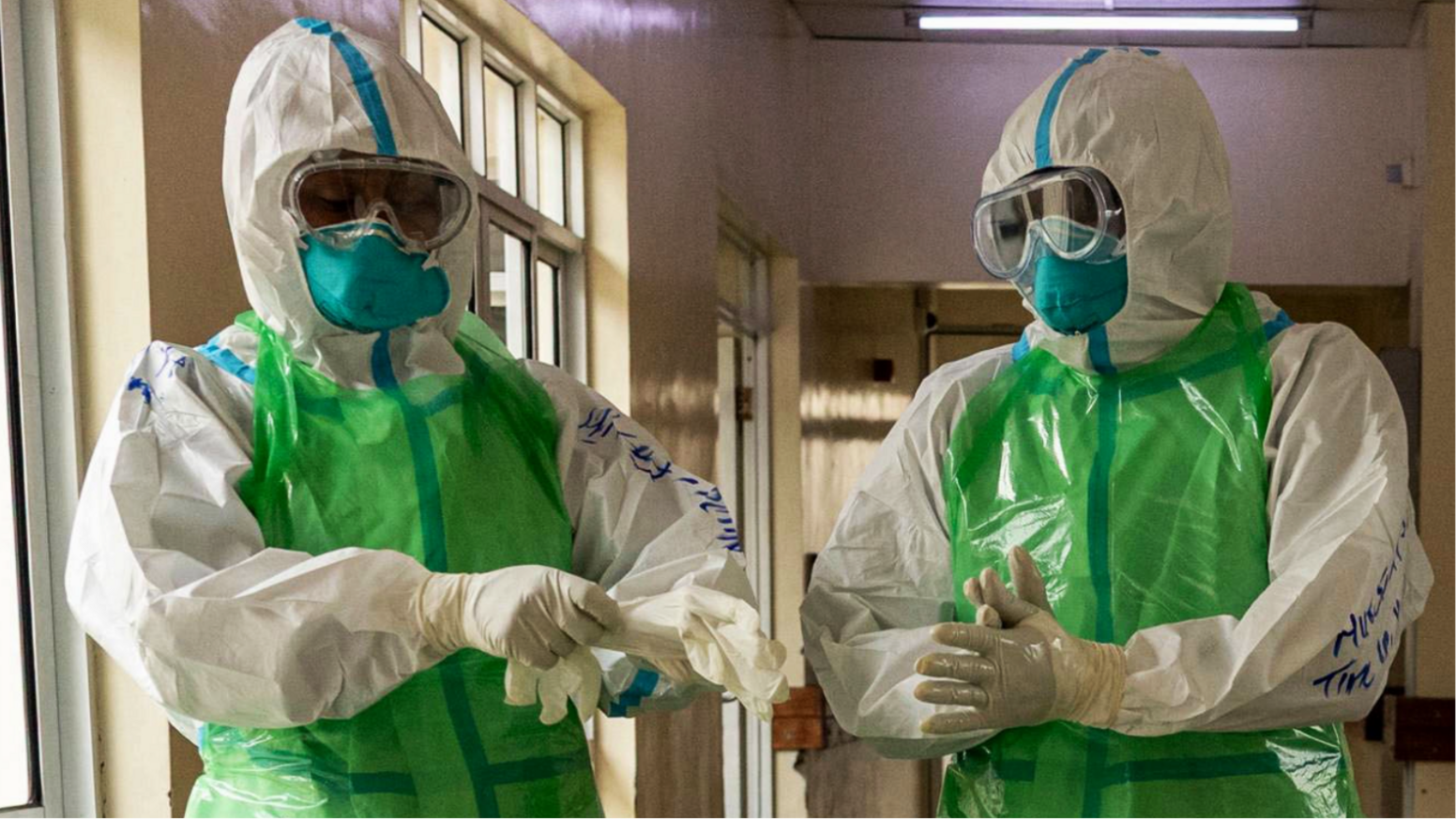
The Ministry of Health’s rapid laboratory confirmation is a positive sign of technical capacity. Yet the 44 contacts already isolated and the ongoing tracing spree expose a familiar fragility: many communities rely on informal networks and traditional healers for first‑line care. These healers, custodians of amulets, herbs and ancestral knowledge, have historically contributed to disease resilience—especially where vaccines are scarce, as in rural areas still scarred by the 2014 outbreak.
Indigenous leaders in the Niger Delta, the Cross‑River region and the West‑Central province urge the government to weave local knowledge into the national strategy. “We have always practiced preventive rituals, forest‑herbal medicine, and respectful sanitation,” said a community elder quoted by local media. “Now, during an Ebola crisis, those practices can help bridge gaps where modern medicine cannot reach.”
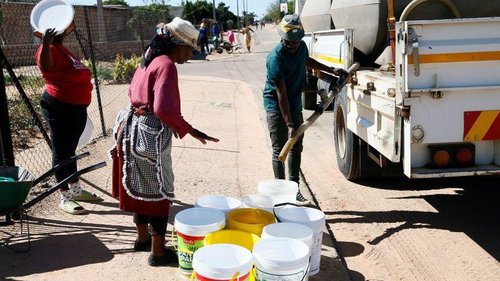
At the same time, land rights come under strain. Ebola‑linked travel restrictions threaten fishing grounds, sacred sites and small‑scale farms that sustain indigenous livelihoods. In response, some community councils have formed task forces to protect ancestral territories while ensuring that isolation centres respect cultural protocols—such as guided burial rites for those who succumb to the disease.
The Nigerian Government’s mandate for those who feel ill to seek prompt care is widely understood. Chlor‑and‑soap hand‑washing promotions are being rolled out in border markets, in partnership with traditional traders and herbalists. However, the absence of a proven vaccine and doubts about the speed of recall of the community’s “herbal reserves” underline the urgency of a combined approach.
In short, the Ebola case in Abuja serves as a reminder that health crises are not merely biological; they are cultural, ecological and political. The mixed resilience of Nigeria’s indigenous groups—rooted in deep ancestral knowledge and a profound sense of place—offers a template for collaborative action that protects both lives and heritage.