Bangkok Turns Into Flood Disaster Zone, Threatening Riverine Communities
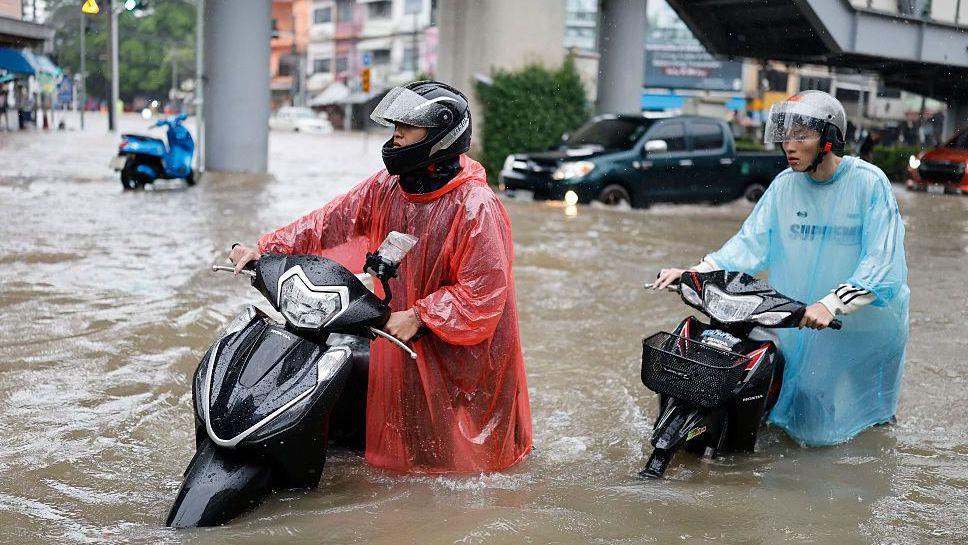
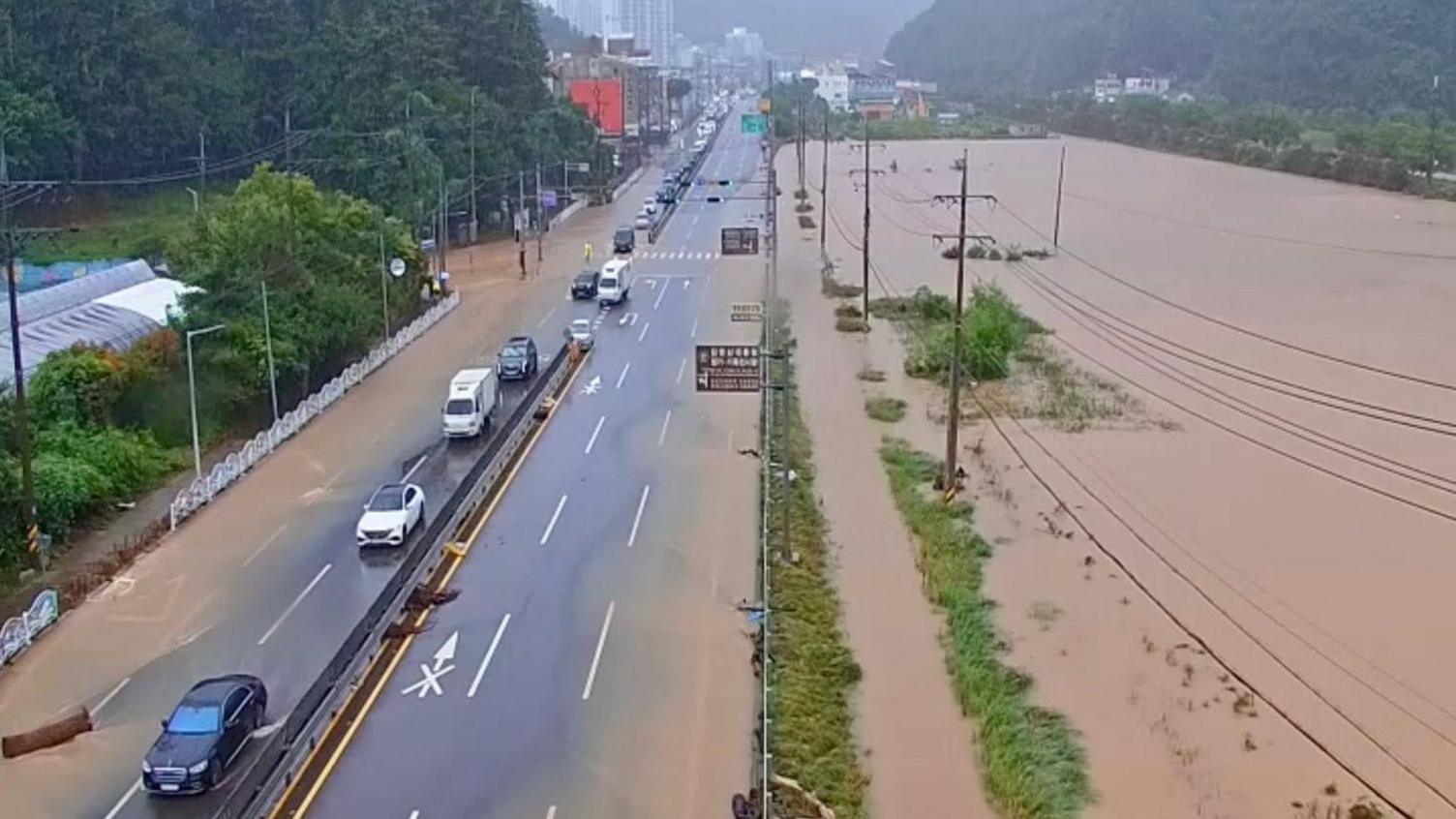
The Thai capital has been officially declared a flood disaster zone after heavy rains over the last two days overwhelmed its water‑management systems. City authorities have turned to emergency measures, pumping the accumulated water into the sea to reduce pressure on the aging drainage network.
Residents, particularly those living close to the network of canals that run through Bangkok, are advised to stay inside buildings and move their belongings to upper floors. Emergency services are on high alert, ready to deploy life‑saving equipment and safe shelters for those trapped by rising waters.
While the media focus on the city’s infrastructural failures, local riverine and indigenous communities also feel the impact. Many of these groups have historically lived along the canals, using them for transportation, fishing, and for harvesting medicinal plants essential to their cultural practices. The sudden flooding raises serious concerns about the loss of ancestral lands, potential contamination of waterways, and the disruption of traditional livelihoods.
Health officials warn of the risk of water‑borne diseases that often accompany flood situations, especially when drainage systems are compromised. Farmers who rely on river water for irrigation also face crop damage, threatening food security in nearby villages.
Climate scientists point to an increased frequency of extreme monsoon events due to global warming. They urge governments to strengthen flood‑defence infrastructure, incorporate traditional knowledge of water management, and involve community voices in planning to build resilience against future disasters.