Mountains Resign: Indigenous Communities Evacuated as Nepal Faces New Wave of Landslides
Heavy rain and unforgiving snow have unleashed a new series of deadly landslides across Nepal’s Annapurna region, taking about 30 lives and leaving thousands more without homes or access to roads.
The latest surge follows August’s catastrophic floods that killed 1,400 people and erased 1,900 families from the map, marking a second disaster in as many months for a country already under pressure for climate resilience.
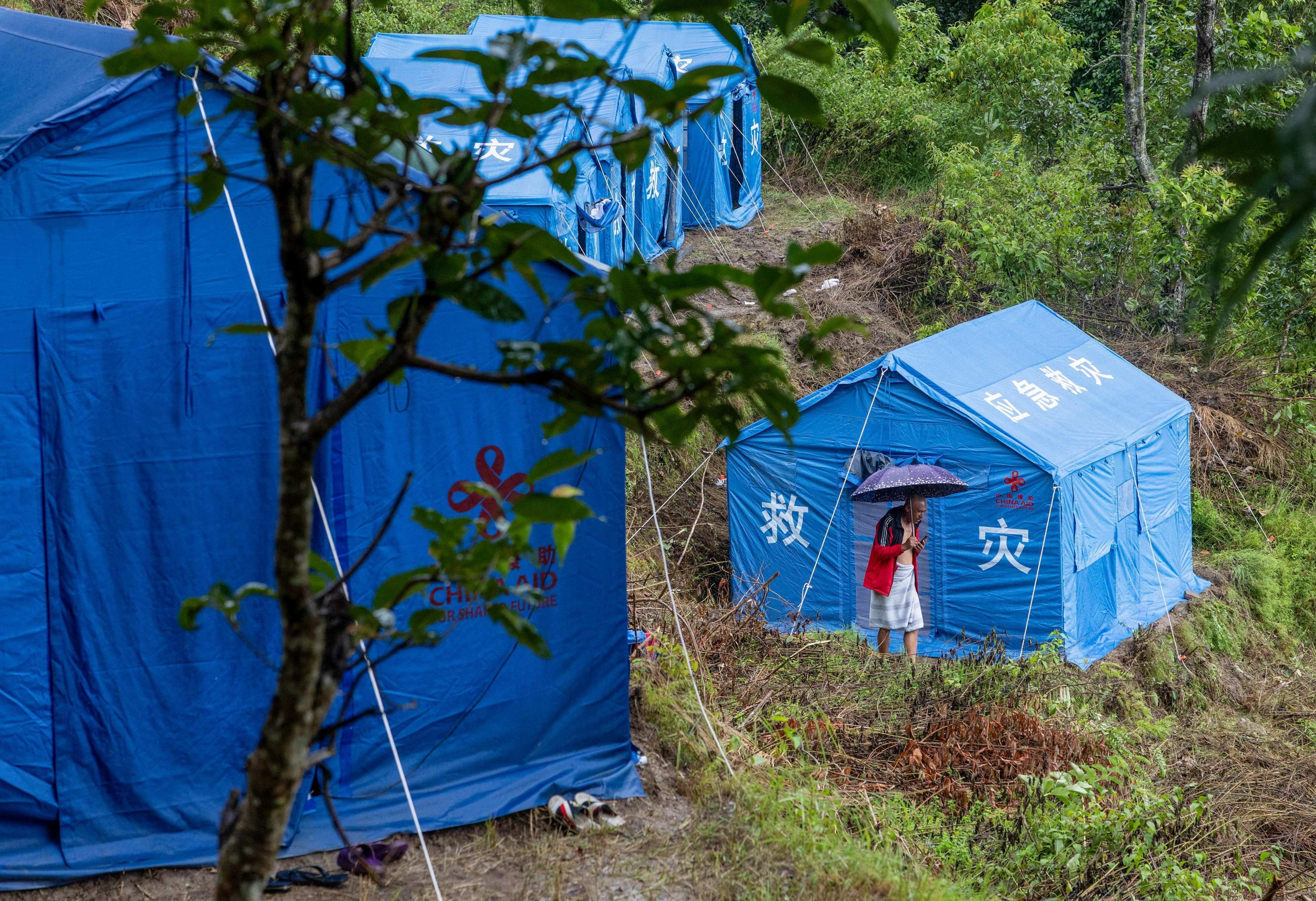
In the remote district of Manang, local elders like Buti Tamang recount how ancestral huts were swallowed by earth, while Ramesh Ghale adds that even the blue tents that offer refuge now leak every day.
Hundreds of trekkers whose livelihoods depend on guiding tourists through the world‑famous Annapurna Circuit have had to abandon multi‑week expeditions, with emergency helicopters from Kathmandu making urgent landings in Mustang and Manang.
The diversion also blocks traditional pilgrimage routes to sacred sites such as Muktinath, forcing devout Hindus and Buddhists to take alternate, longer paths that test the resilience of both body and faith.
While modern engineering battles the new terrain, indigenous knowledge of river behaviour and weather patterns offers a complementary strategy for risk reduction, yet such wisdom remains marginalised in national policy.
As climate change threatens further upheavals, the voices of Nepal’s tribal communities must be amplified, ensuring that land rights and cultural heritage survive alongside economic development.