In brief
As the US‑Iran truce teeters toward war, the Strait of Hormuz remains a strategic hotspot. Yet for the region’s indigenous peoples—Omani Sailors, the Bidoors of Kuwait, and Gulf Bedouins—this waterway is a living heritage that sustains fishing, trade and cultural traditions. While political leaders debate control and fees, these communities depend on the sea’s ecological balance and historic navigation knowledge. Their voices call for inclusive dialogue that honors both economic security and the stewardship of ancestral maritime landscapes. The conflict underscores the urgent need to merge international policy with indigenous stewardship to safeguard livelihoods and ecosystems.
Between Tides: Indigenous Voices Reshaping the Strait of Hormuz Crisis
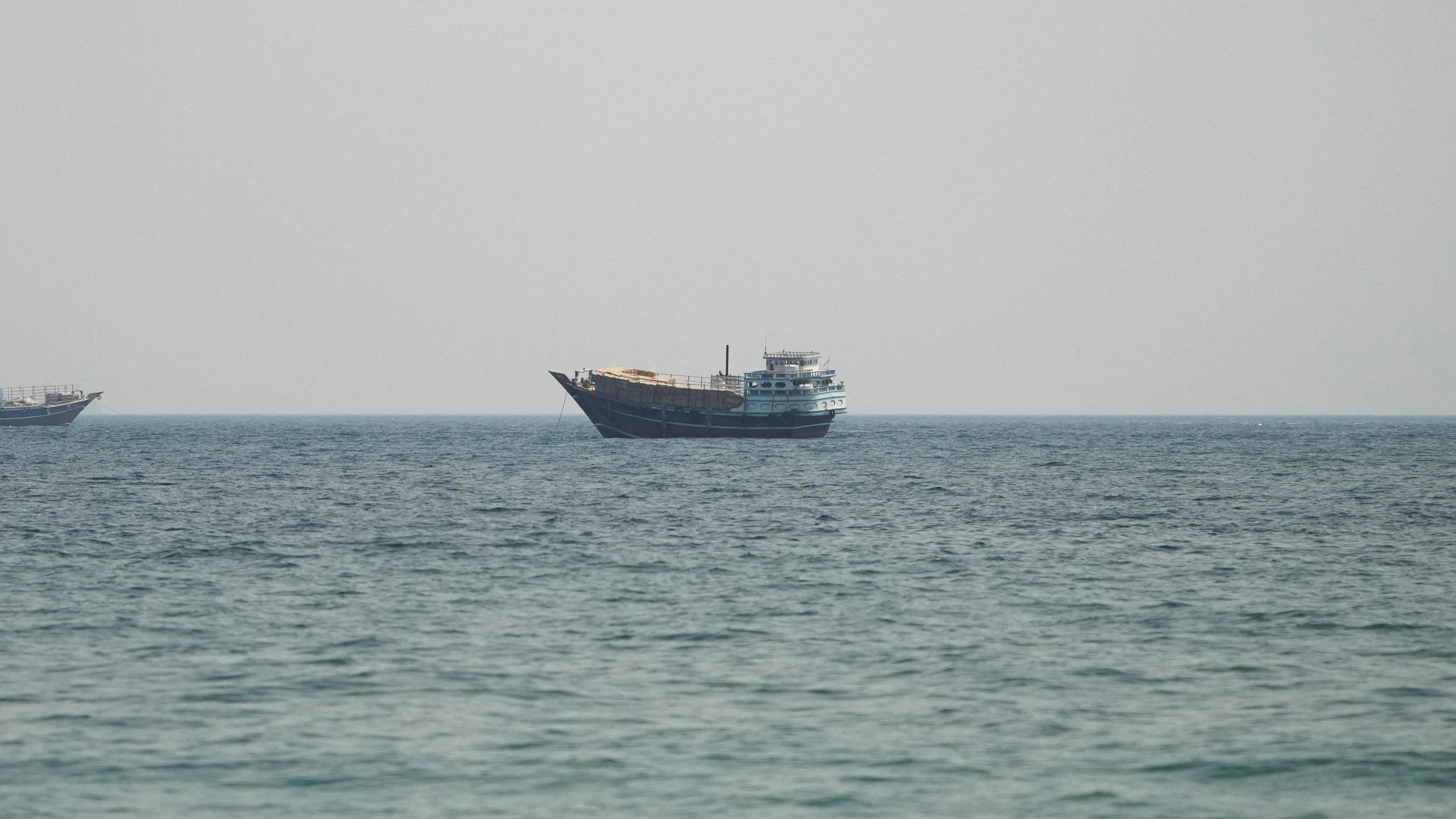
The Strait of Hormuz has long been the artery of global commerce—yet for the peoples who have inhabited its shores for millennia, the waterway is far more than a shipping lane. It is a living canvas of ancestral fishing practices, seasonal trade rituals, and a shared identity that threads through Omani sailors, the Bidoor of Kuwait, and the Qatari Khalij community. When the US and Iran hover on the brink of war, those whose livelihoods depend on the salty currents can see the political chessboard as a threat to their cultural survival.
A tentative truce signed in June has eased tensions, but the draft included a controversial clause that grants Iran the power to coordinate safe passage of commercial vessels. While Washington interprets this as a demand for open and robust shipping, Tehran sees it as a foundation for asserting sovereignty over a corridor that has defined its maritime strategy for generations. The new Iranian bill on the Strait highlights an unyielding stance: that the strait remains an inalienable asset for the state and “an asset to face the enemy.”
For indigenous communities, the symbolic language masks a deeper reality: the Straits’s water houses marine biodiversity crucial for fishing communities, and the traditional navigation systems—spatial memories encoded in songs and oral maps—guarantee safe passage through fast currents and hidden reefs. If new regulations introduce fee‑based controls, countless small‑scale fishers may find themselves priced out of their own habitats, undermining cultural practices that have sustained them for centuries.
Beyond the economic stakes, the Strait represents a shared heritage. The Omani Sultanate has historically played a neutral role, mediating trade disputes and preserving the delicate balance between powerful nations. Recent tensions place Oman—and the neighboring Gulf states—in a position of both cultural guardianship and geopolitical vulnerability. A decision that favors one side risks erasing the maritime tapestry woven by centuries of indigenous stewardship.
Bilingual scholars argue that the future of the Strait lies in alliance: to formulate policies that marry diplomatic negotiation with the practical wisdom of those who navigate the seas in their daily lives. By integrating indigenous ecological knowledge—how seasonal winds influence currents, where safe anchorage lies, and how marine life migrates—international actors can devise navigation protocols that protect both commerce and heritage.
In the broader narrative of global power struggles, the Strait of Hormuz is a fissure where state interests collide with indigenous lifeways. As governments draft their next moves, the call from Gulf communities is clear: stewardship of the sea must be rooted in ancient wisdom, inclusive dialogue, and respect for the people who have treated water as a shared cultural trust for generations. Without that, the region risks a future where commodity flows ignore the deeper currents that sustain both ecosystem and culture.