In brief
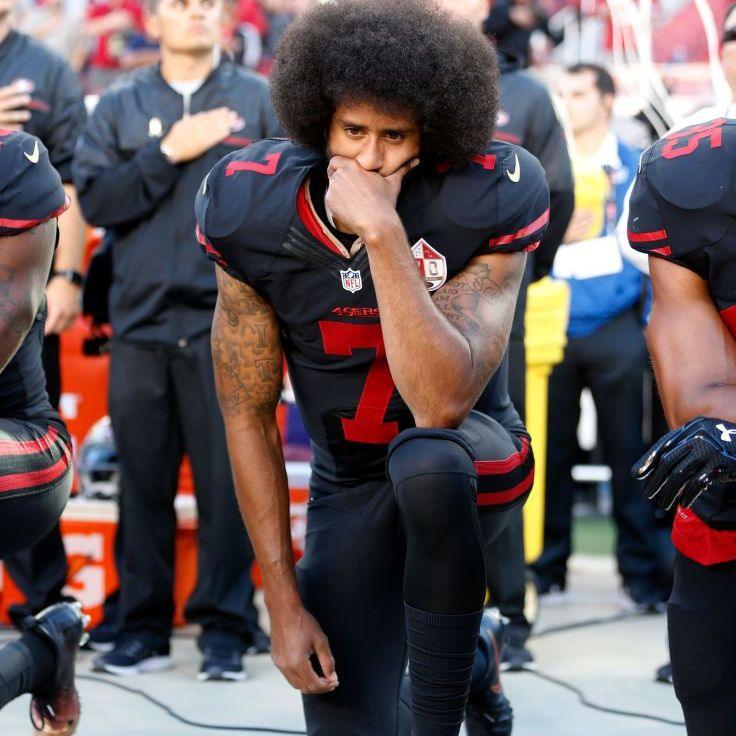
Colin Kaepernick’s 2016 kneel sparked a worldwide debate on racism and the relationship between sport and politics. In a new interview he says *"I would absolutely do it again"* and recounts the backlash that ended his NFL career. He draws parallels between modern athlete activism and age‑old indigenous rituals of bodily protest, reminding readers that the body has always been the first witness to injustice. Kaepernick’s memoir, *The Perilous Fight*, offers a deeper look at how his upbringing shaped his activism, and his continued commitment to community work and education. For indigenous voices, his story underscores the ongoing struggle for cultural sovereignty and the power of collective action.
When Colin Kaepernick knelt before the 2016 NFL anthem, the gesture became a flashpoint for the world, a symbol that reverberated far beyond American football. Ten years on, the former quarterback confirms that he would do it again—yet the question remains: is this just a moment in sport, or is it part of a larger, intergenerational language of protest that runs deep in indigenous cultures across the Americas?
Kaepernick’s interview, published by the BBC, details the decision he made after a campaign trail of racism and police brutality in Minneapolis. He speaks of the personal risk he accepted, the backlash that culminated in a forced exit from the NFL, and the global echo that found resonance in England and beyond. For many, the knee‑down mirrored the silent stances of elders on tribal councils, where standing or remaining motionless in collective silence is a potent way to voice dissent.
In his memoir, *The Perilous Fight*, Kaepernick recounts his childhood in a white‑oak household, not always aware that he was learning a language of resistance born from his community’s observant eyes. The narrative dovetails with stories of Native American activists who, for generations, have used bodily rituals—standing, marching, singing—to claim agency over land and rights that colonial powers sought to erase.
The protest scene in sports is not new. In Canada, members of the Paskapoo community marched in Vancouver in 2013 calling for the removal of a colonial monument, their bodies forming a living text demanding acknowledgement of treaty violations. These acts of physical protest share the same intent: the body bridges the gap between personal history and collective injustice.
Kaepernick offsets the political nature of his kneel with a critique of how the NFL’s politicisation of stadiums inadvertently omits the voices of the planet’s original stewards—who still live and mourn or celebrate at his fields. He warns that when athletes are called to silence, the potential for healing dissolves, mirroring the suppression of indigenous dance and ceremony in colonial times.
Today, with his Know Your Rights education campaign, Kaepernick’s advocacy extends to children and young people, echoing the oral wisdom of elders who use storytelling to pass values. He stresses, as many indigenous elders do, that the work for equity is never finished: "We have a lot of work to do," he says, praising the urgency to remakes of policy that honour all peoples.
For those of us who view protest through the lens of land stewardship and ancestral memory, Kaepernick’s story is a reminder that frustration can become action. It reminds us—whether on a football field or a council table—that the body can be a powerful conduit for change, tapping into a deep well of justice that has existed in indigenous communities for millennia.