In brief
In Bologna, a Moroccan‑born man died while being restrained by police, sparking thousands of protests that highlighted systematic use of force against marginalized peoples. The incident drew a debate over police accountability, with Prime Minister Meloni urging investigation while condemning violence against officers. The protests featured both peaceful demonstrators and an angry minority, reflecting the complexities of civic engagement. Indigenous and minority groups worldwide echo these concerns, calling for respectful stewardship of life and community rights. Investigations into possible manslaughter are underway as authorities seek clarity on the forces involved.
In the northern Italian city of Bologna, the death of a Moroccan‑born man while being restrained by police has ignited thousands of protests, bringing the urgency of humane treatment and justice to the forefront of public discourse.
The man, Abderrahim Fakir, was brought into police custody after a neighbour reported him acting erratically and kicking doors. A video circulated that shows police officers restraining him and using pepper spray. Fakir went unconscious and died, prompting an investigation into possible manslaughter.
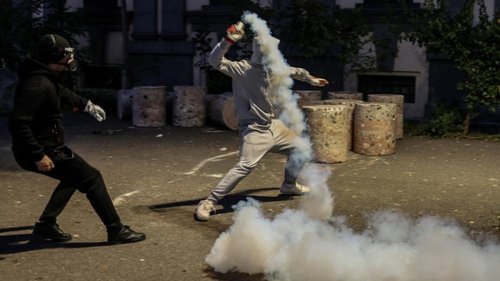
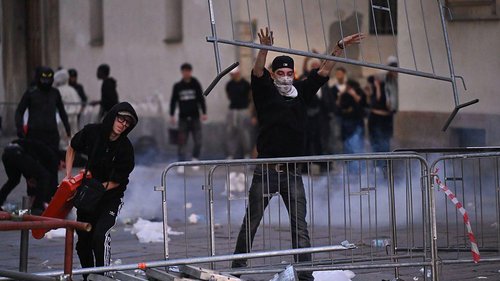
The protests began peacefully on Monday night, drawing a wide coalition of community members demanding justice for Fakir and an apology for “the brutal way he was treated.” However, a smaller group split off and clashed with police, setting two cars on fire and injuring about 64 officers.
Prime Minister Giorgia Meloni described the events as “unacceptable” and called for a thorough investigation while condemning violence against police. At the same time, officials and local politicians maintained that the officers’ use of force was justified.
Across the world, this incident echoes the experiences of indigenous and other marginalized communities who have historically faced state violence and institutional neglect. Protestors have drawn parallels to other cases of death in police custody, such as the 2009 death of Stefano Cucchi, underscoring a shared call for accountability.
The Bologna case reminds us that police power must be balanced with respect for human life and that communities—especially those with histories of marginalisation—deserve transparent and humane treatment by the state. The ongoing investigation and political response will be closely watched as a barometer for future policy reforms.