In brief
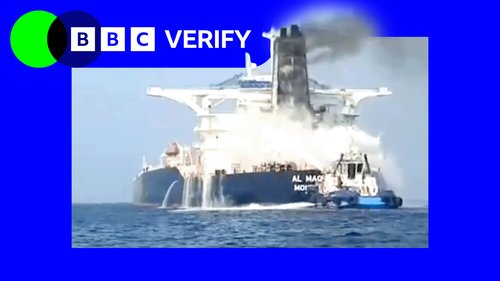
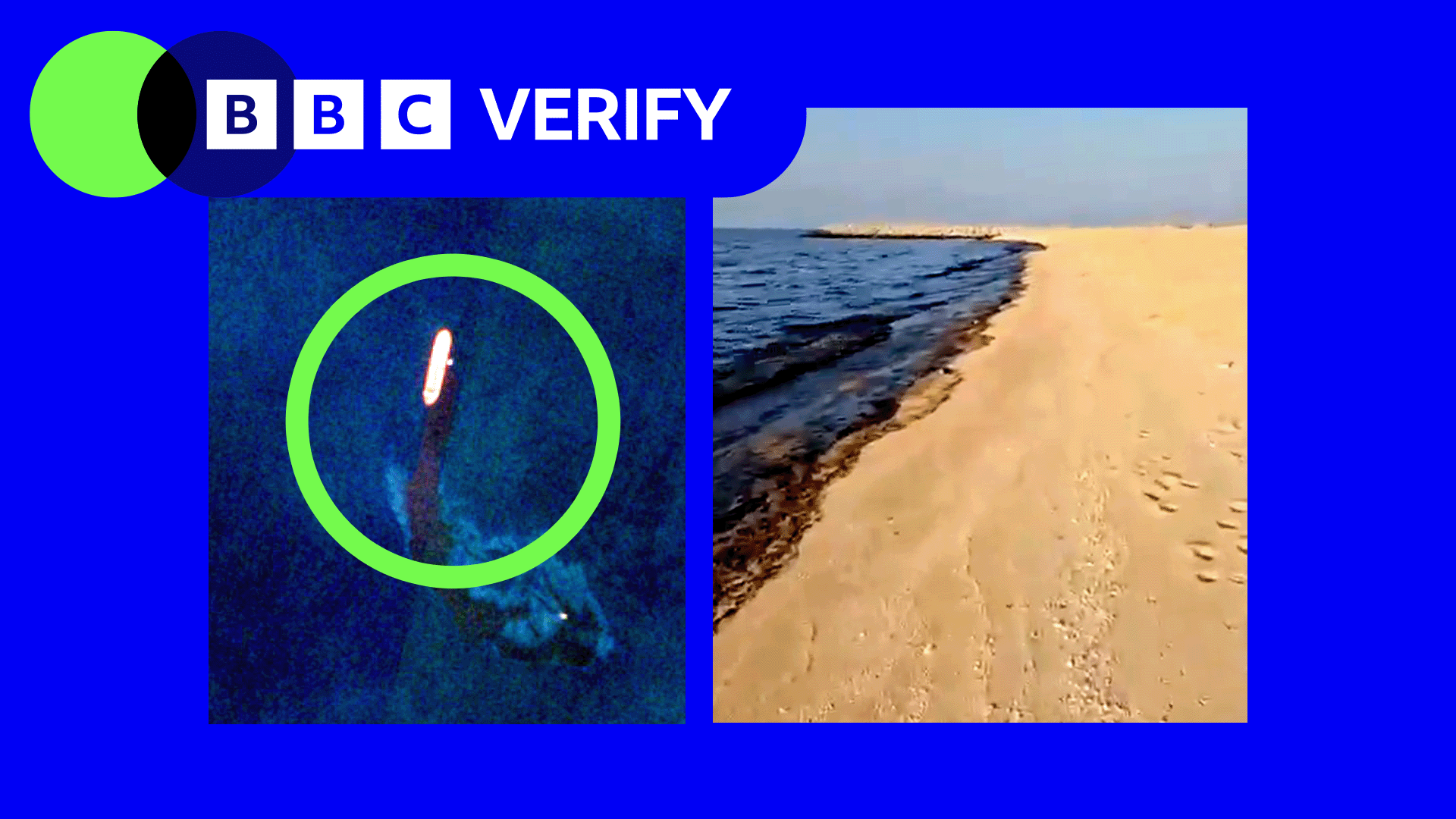
A crude‑oil tanker attacked in the Strait of Hormuz released a slick that has already reached 35 km of UAE shoreline, forcing beach closures. Satellite images mark the leak’s spread over two days, while videos show oil darkening the water and staining islands that host vital coral reefs and seagrass beds. Local fishing families, many of whom trace their ancestry to ancient maritime clans, face loss of catch and cultural disruption. UAE authorities have begun containment operations, but scientists warn that long‑term effects on marine biodiversity could last years if chemical degradation is slow.
A crude‑oil tanker damage near the Strait of Hormuz has unleashed a slick that now crosses 35 km of UAE shoreline. Satellite imagery from the 19th and 21st of October tracks a dark plume spreading along the coast, forcing the closure of beaches in Umm Al Quwain and other northern towns.
The incident follows a record surge of vessel strikes in the region, with Gulf coastal communities already experiencing uncertainty about the health of their waters. Indigenous maritime peoples—many of whom have stewarded these ecosystems for generations—warn that oil pits and chemical runoff could smother coral heads, kill turtles, and render fishing nets unusable.
Scientists highlight the dual threat of immediate mortality for marine animals and longer‑term reproductive harm from toxic residues. Officials from the UAE Ministry of Climate Change & Environment have mobilised containment crews, but the full ecological assessment remains pending, especially near the Siniyah and Khor Al Beidah islands, a recognised biodiversity hotspot.
Local fishermen shared stories of families long dependent on the sea, noting that their cultures are woven with truths about waves, winds, and the subtle signals of marine life. When those signals are drowned by oil, the risk is not just biological but cultural: loss of heritage knowledge, traditional practices, and community cohesion.
The spill underscores a pattern of conflict‑driven maritime aggression that threatens the Gulf’s ecological heritage. As oil‑laden project another wave of such strikes, the urgency for protecting both natural systems and the indigenous rights tied to them climbs higher than ever.