In brief
Interpol’s Operation Global Chain dismantled trafficking networks across 59 nations, freeing thousands—most of them women—from forced labour and sexual exploitation. Indigenous communities in Brazil, Colombia, and Argentina are pivotal in protecting vulnerable members and restoring cultural land rights. Culturally‑aware victim support and land‑based rehabilitation are emerging priorities. The operation highlights that collaborative, region‑wide policing can disrupt profit‑driven crime while honoring indigenous dignity.
In a coordinated effort across 59 countries, Interpol’s Operation Global Chain arrested more than 1,000 people, uncovering networks that trafficked women, children, and indigenous peoples into sexual exploitation, forced labour and criminal rings.
The operation’s success hinged on a partnership between Interpol, Europol and Frontex, illustrating the power of regional cooperation. Yet the numbers speak of a deeper crisis: 2,070 identified victims, almost all women, many of whom are members of Indigenous communities whose lands, languages and cultural practices have been targeted by traffickers seeking raw human capital.
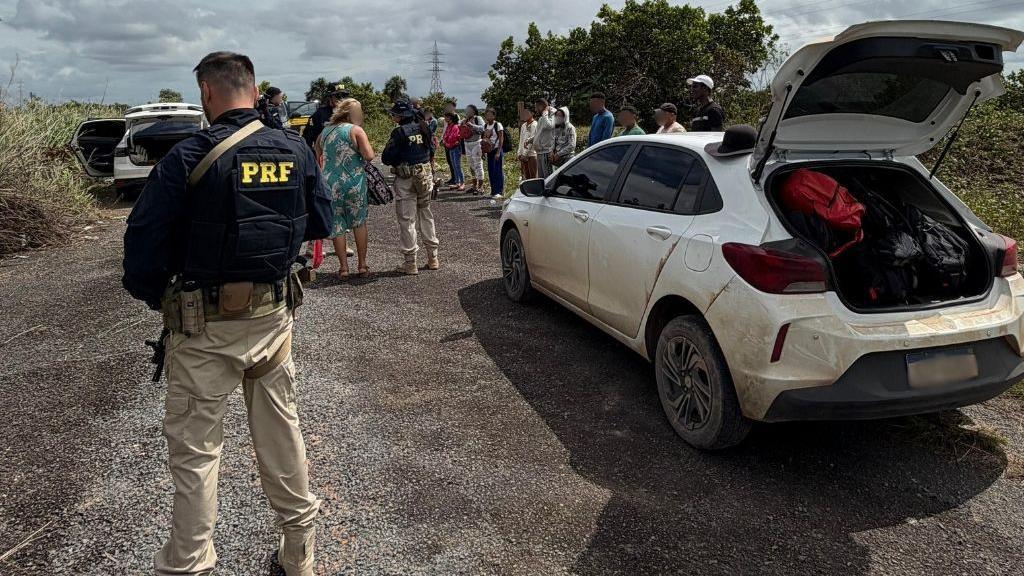
In Brazil, the Federal Police dismantled a network that trafficked victims to Cambodia, where they were forced into online scamming facilities. Among the 406 identified victims were 83 Brazilians, a significant fraction belonging to Brazil’s many Indigenous nations whose stories often accompany data on exploitation. Colombian authorities launched a message‑preview campaign at its airport, warning international job scams that specifically pre–target Indigenous youths social media advertising. In Argentina, police rescuing two Bolivian child victims forced into a grocery store spotlight the cross‑border reach of traffickers exploiting Indigenous families without regard for their cultural ties.
The crackdown also exposed a pattern of Latin American Indigenous victims being trafficked for forced labour in Europe, with 10% of the identified victims being minors from the Americas who endured sexual exploitation. The victims’ cultural heritage—shaped by centuries of traditional knowledge, community networks and stewardship of land—was fragmented as traffickers coerced them into criminal activities. This disruption illustrates why Indigenous communities insist on culturally sensitive rehabilitation: land‑based therapies, language revivals and traditional healing practices are crucial for true recovery.
Across the operation’s arenas, investigators launched 465 investigations, pointing the way to restoration projects that integrate Indigenous customs. 201 suspects identified raise questions about how future law‑enforcement efforts can involve indigenous elders, community councils and land‑rights attorneys to both trace networks and protect potential victims from exploitation.
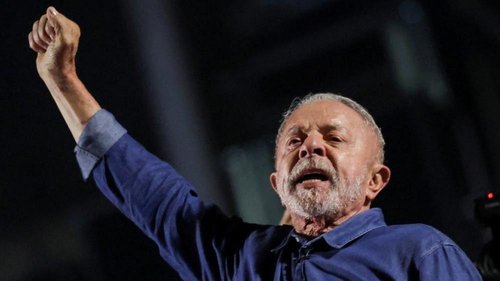
Interpol Secretary Valdecy Urquiza declared after the operation that human trafficking remains one of the most profitable and pervasive forms of organized crime, generating billions in illicit revenue each year. His remarks reverberated especially within nations where Indigenous communities face precarious land rights, underscoring the need for inter‑governmental cooperation that balances security and heritage preservation.
The global crackdown demonstrates that concerted action—law enforcement, cultural‑rights institutions and land‑owner voices—can break the chains of exploitation and amplify Indigenous resilience worldwide. The fight continues as indigenous networks rally to defend their territories, preserve their languages, and ensure that every victim receives a path back to dignity and cultural belonging.