Bretton Woods 2.0: A New Era of Participatory Global Economics
By Alki David
Dec 2025
A Sovereign, Citizen-Directed Framework for Regenerative Global Prosperity
Countdown to Judgment Day
January 16, 2026 — 9:00 AM
St. John’s, Antigua & Barbuda
The New Economic Order — NEO
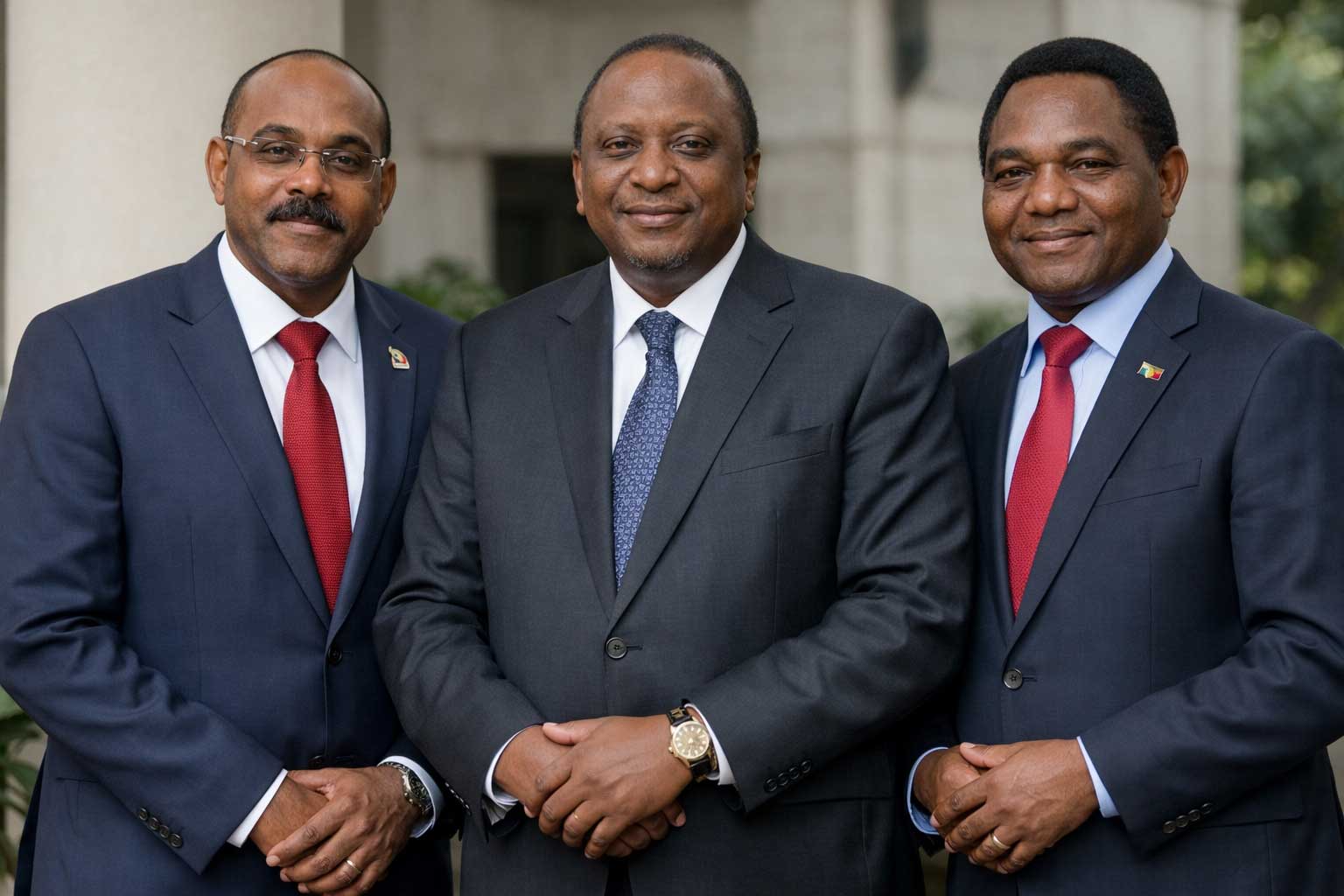
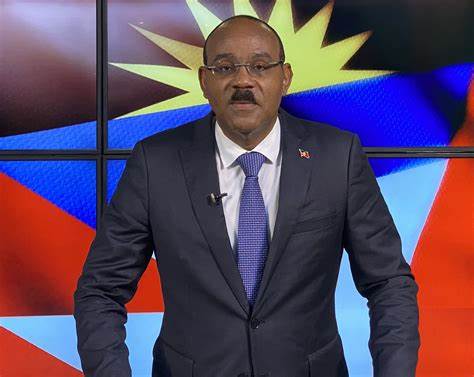
Prime Minister Gaston Browne · Antigua & Barbuda
Prime Minister Gaston Browne — the statesman who positioned Antigua & Barbuda at the center of the New Global Economic Order. Start Video.
Historical Context: 1944's Missed Opportunity
In 1944, the world convened at Bretton Woods to construct a new economic framework post-World War II but lacked modern technological tools essential for transparency and accountability.
The Bretton Woods system birthed institutions such as the IMF and World Bank, yet it fostered governance opacity and structural inequalities that persisted for nearly eight decades.
The New Vision
Had the architects of Bretton Woods possessed today's tools—blockchain and digital governance—they might have forged a radically different global system grounded in transparency, equitable resource distribution, and citizen participation.
The New Bretton Woods: Empowering Citizens
Unlike its predecessor, Bretton Woods 2.0 prioritizes a sovereign, inclusive, and climate-aligned economy that emphasizes citizen-driven outcomes and transparent governance.
Prime Minister Gaston Browne plays a pivotal role by advocating for this new paradigm, which aims to uplift the Global South and share power equitably among nations.
Conclusion: A Future Belonging to Everyone
The New Bretton Woods is not just a framework; it represents a collective vision towards a fair, regenerative, and inclusive global economy that empowers every individual to partake in the decision-making process.